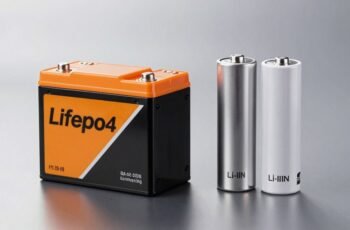
Like the steady hand guiding a compass, understanding the true lifespan of batteries requires careful analysis. We recognize that LiFePO4 and lithium-ion batteries each have distinct durability profiles shaped by chemistry, usage, and management practices. Yet, the nuances behind their cycle counts and long-term stability are complex. Exploring these differences reveals critical insights for optimizing performance and selecting the right technology for specific applications, prompting us to examine the factors that influence their longevity more closely.
Key Takeaways
- LiFePO4 batteries typically last 2,000 to 3,000 cycles, outperforming lithium-ion’s 500 to 1,000 cycles.
- LiFePO4 exhibits greater thermal stability, reducing degradation and extending lifespan.
- Proper management, such as avoiding deep discharges, can significantly prolong both battery types.
- Manufacturing quality impacts internal resistance and durability for both LiFePO4 and lithium-ion batteries.
- Recycling practices are safer and more effective for LiFePO4 due to its stable chemistry.
How Do Lifepo4 and Lithium-Ion Batteries Differ in Overall Lifespan?
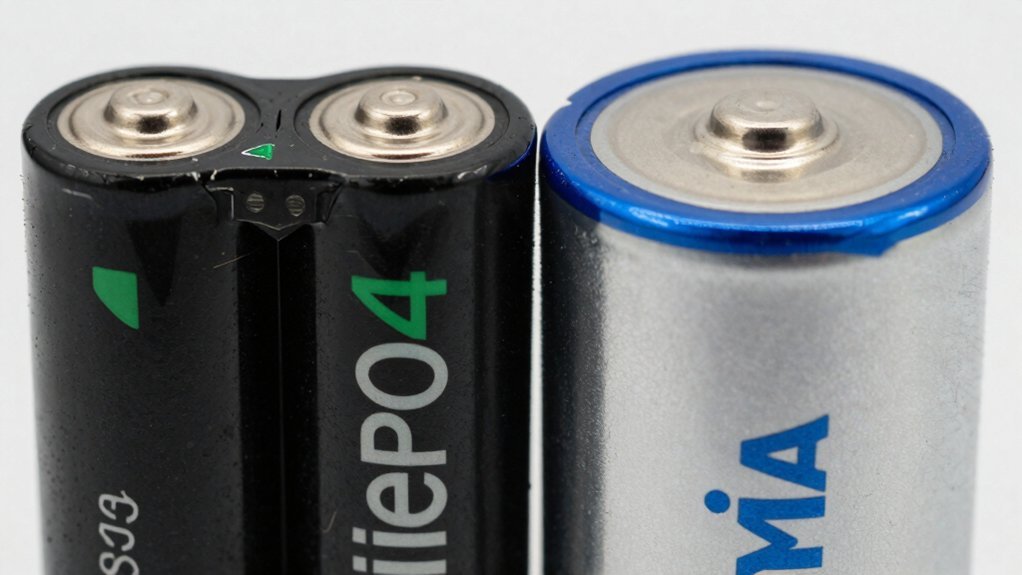
Although both LiFePO4 (lithium iron phosphate) and traditional lithium-ion batteries are popular energy storage options, they differ considerably in their overall lifespan. One key factor is manufacturing quality, which influences the consistency of internal components and overall durability. LiFePO4 batteries tend to exhibit superior thermal stability, reducing stress caused by battery thermal fluctuations and extending lifespan. Conversely, lithium-ion batteries are more susceptible to thermal degradation, especially if manufacturing quality varies. This impacts cycle life and long-term performance. Additionally, LiFePO4’s stable chemistry minimizes capacity fade over time, even in high thermal environments. Consequently, manufacturing quality and thermal management are essential in determining the longevity of both battery types, with LiFePO4 generally offering a more resilient and predictable lifespan.
What Factors Affect the Durability of Lifepo4 vs Lithium-Ion Batteries?
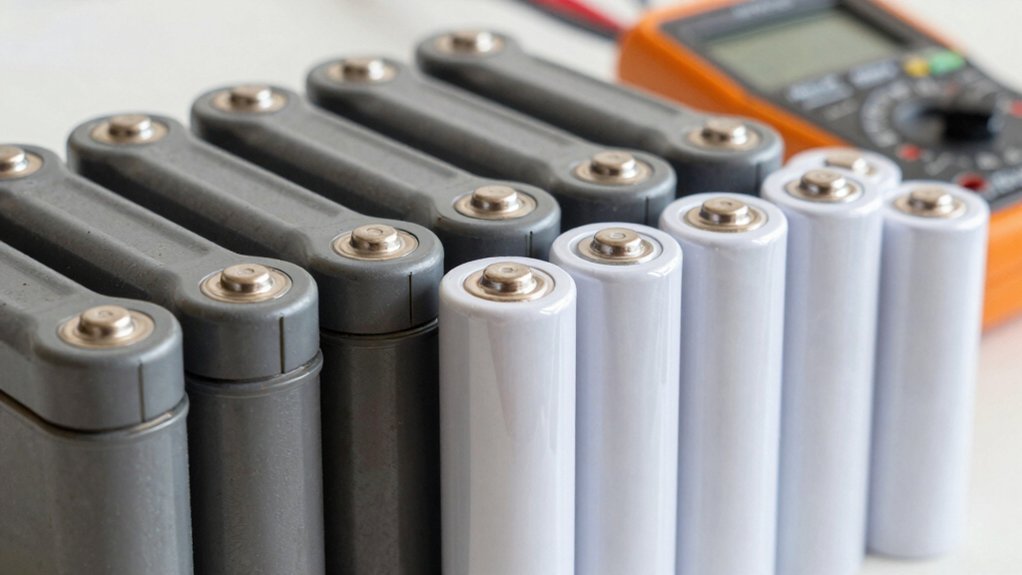
The durability of LiFePO4 versus lithium-ion batteries is primarily influenced by factors such as thermal stability, manufacturing quality, chemical composition, and usage patterns. LiFePO4 batteries offer superior thermal stability, reducing degradation caused by overheating, while manufacturing quality impacts internal resistance and cycle life. Chemical composition plays a critical role; LiFePO4’s stable chemistry minimizes capacity fade over time. Usage patterns, including charge cycles and depth of discharge, considerably affect longevity. Additionally, battery recycling practices influence environmental impact and long-term durability, as proper recycling can mitigate material degradation and resource depletion. Conversely, poorly managed recycling can lead to capacity loss and environmental harm. Overall, these factors collectively shape the functional lifespan and sustainability profile of each battery type.
How Long Can You Expect Each Battery Type to Last in Practical Use?
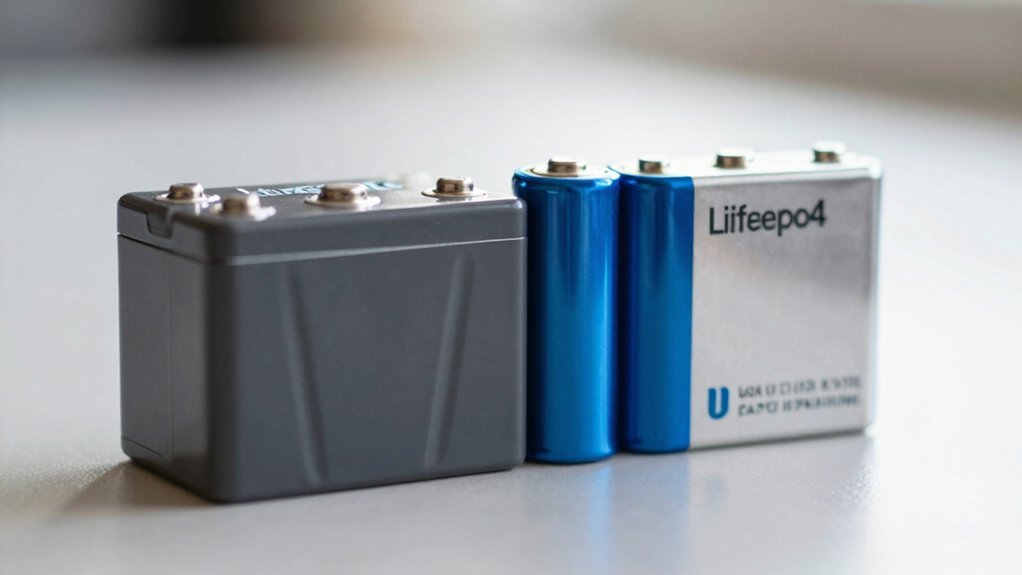
In practical applications, the lifespan of LiFePO4 and lithium-ion batteries is largely determined by their typical cycle life and how they are managed over time. LiFePO4 batteries generally endure around 2,000 to 3,000 charging cycles, maintaining capacity longer due to their stable chemistry. Lithium-ion batteries often complete approximately 500 to 1,000 cycles before significant capacity loss. Proper management includes optimizing charging cycles and avoiding deep discharges, which extend usable life. Additionally, battery recycling becomes crucial as batteries reach end-of-life, reducing environmental impact and recovering valuable materials. While LiFePO4 batteries tend to be more durable in cycle life, lithium-ion batteries may require more frequent replacement, affecting practical lifespan considerations. These factors collectively influence how long each battery type remains functional in real-world applications.
Which Battery Offers Better Longevity for Different Applications?
Choosing the right battery for a specific application hinges on understanding how each type’s longevity aligns with operational demands. Lithium Iron Phosphate (LiFePO4) batteries excel in high-cycle durability, making them suitable for applications requiring frequent charging cycles, such as renewable energy storage. Lithium-ion batteries, while offering higher energy density, tend to have fewer charging cycles, impacting long-term longevity in continuous-use scenarios. Battery recycling also influences longevity, as LiFePO4 batteries are often easier to recycle due to their stable chemistry. Here’s a comparison:
| Feature | LiFePO4 | Lithium-ion |
|---|---|---|
| Charging Cycles | 2000+ | 500-1000 |
| Application Suitability | Stationary, EVs, solar systems | Portable electronics, EVs |
| Longevity | Longer in cycle-heavy use | Shorter but higher energy density |
| Recycling Impact | Easier and safer | More complex, less eco-friendly |
How Can You Maximize the Lifespan of Your Lifepo4 or Lithium-Ion Battery?
Maximizing the lifespan of Lifepo4 and lithium-ion batteries requires implementing proper maintenance strategies and usage practices tailored to each chemistry’s characteristics. Consistently avoiding deep discharges and maintaining ideal charge levels reduces stress on the battery, extending its functional life. Temperature management is essential; operating within recommended temperature ranges minimizes degradation. Regularly monitoring battery health allows timely identification of capacity loss. Additionally, responsible battery recycling helps mitigate environmental impact, ensuring that materials are reused and hazardous waste minimized. Proper disposal prevents pollution and conserves resources, directly supporting sustainability. By adopting these practices—optimized charging, temperature control, and recycling—we not only prolong battery lifespan but also reduce ecological footprint, balancing performance with environmental responsibility.
Frequently Asked Questions
Are There Environmental Impacts Associated With Disposing of Lifepo4 Vs Lithium-Ion Batteries?
Disposing of LiFePO4 batteries generally has fewer environmental impacts, as they involve less toxic materials and safer manufacturing processes. Lithium-ion batteries pose higher risks due to material toxicity and complex recycling challenges, affecting their environmental footprint.
How Do Charging Habits Influence the Lifespan of Each Battery Type?
Like a well-tuned engine, proper charging cycles and ideal storage conditions extend each battery’s lifespan. We find that avoiding overcharging, maintaining stable temperatures, and limiting deep discharges considerably improve Lifepo4 and lithium-ion batteries’ durability.
What Safety Considerations Are Unique to Lifepo4 Batteries Compared to Lithium-Ion?
We find that Lifepo4 battery chemistry inherently offers enhanced safety, requiring specific safety protocols due to lower thermal runaway risk, unlike lithium-ion batteries, which demand more rigorous thermal management and overcharge protections for safe operation.
Can Lifepo4 Batteries Be Recycled More Easily Than Lithium-Ion?
We find Lifepo4 batteries are generally easier to recycle due to simplified recycling processes and less hazardous materials involved in battery manufacturing, making them more environmentally friendly compared to lithium-ion batteries, which require more complex and costly recycling methods.
How Do Temperature Variations Specifically Affect Each Battery’s Longevity?
Imagine batteries as delicate dancers affected by thermal stability; high temperatures accelerate degradation, while cold tempers their energy flow. Lithium-ion’s temperature sensitivity leads to faster wear, whereas Lifepo4 remains more resilient, prolonging their overall longevity under thermal stress.
Conclusion
Think of our batteries as resilient trees—LiFePO4 as a mighty oak, standing strong through countless seasons, thanks to its stable chemistry and thermal resilience. Lithium-ion, like a delicate sapling, offers quick growth but shorter lifespan. By understanding these differences, we can choose the right “tree” for our needs, ensuring our energy systems flourish over time. Proper care is the sunlight and water that nurture these batteries toward their full, enduring potential.