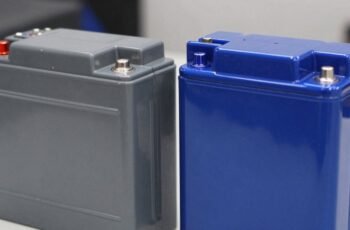
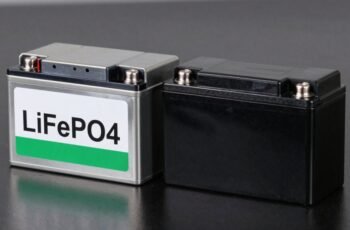
At the crossroads of energy storage, two batteries stand as symbols of different priorities: safety and longevity versus capacity and performance. We recognize that each technology offers distinct advantages, but understanding which aligns best with specific application demands requires a careful, technical comparison. Exploring their chemistry, safety profiles, lifespan, and cost factors reveals nuances that could sway the decision. The question remains—how do these differences influence real-world choices?
Key Takeaways
- LiFePO₄ offers superior safety and thermal stability, reducing risk of fire and thermal runaway.
- Lithium-ion batteries have higher energy density, making them ideal for portable electronics and high-performance devices.
- LiFePO₄ provides longer cycle life and better longevity, suitable for stationary storage and EVs demanding durability.
- Lithium-ion batteries are more expensive and complex to recycle, with environmental and safety concerns.
- Cost, availability, and application requirements primarily determine the better choice for specific uses.
What Are Lifepo4 and Lithium-Ion Batteries? An Overview of Chemistry and Design
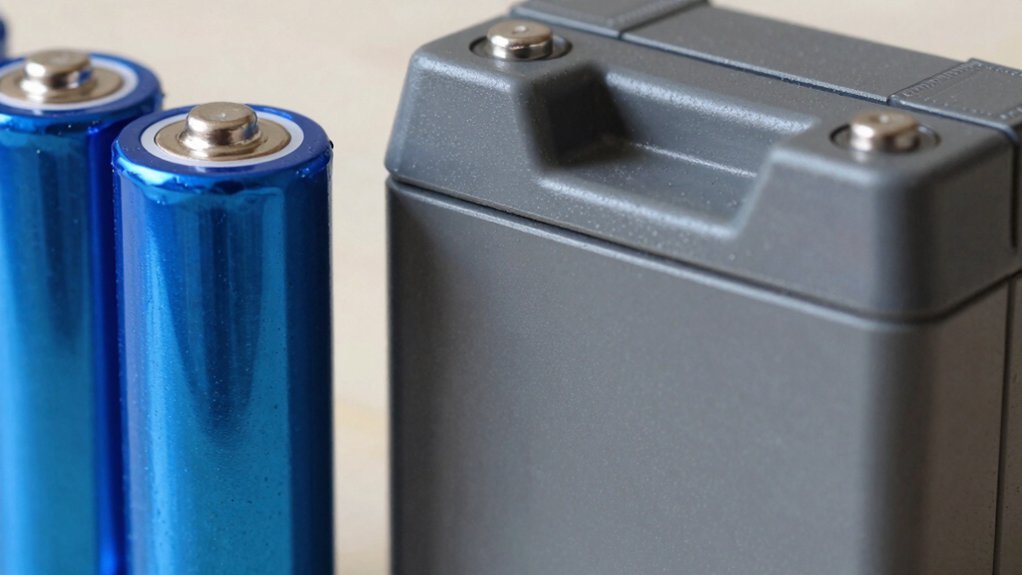
While both LiFePO₄ (lithium iron phosphate) and lithium-ion batteries are popular energy storage solutions, their core differences stem from distinct chemical compositions and cell architectures. LiFePO₄ batteries use an iron phosphate cathode, providing thermal stability and safety, whereas typical lithium-ion cells often rely on cobalt or nickel-based cathodes. These chemical differences influence manufacturing processes, with LiFePO₄ requiring lower temperatures and less complex electrode synthesis. Additionally, the chemistry impacts battery recycling; LiFePO₄’s stable composition simplifies the recovery of valuable materials, making recycling more efficient. Understanding these fundamental distinctions helps clarify their design choices, manufacturing considerations, and end-of-life procedures—crucial factors in evaluating their suitability for various applications and long-term sustainability.
Comparing Performance: Capacity, Power, and Longevity
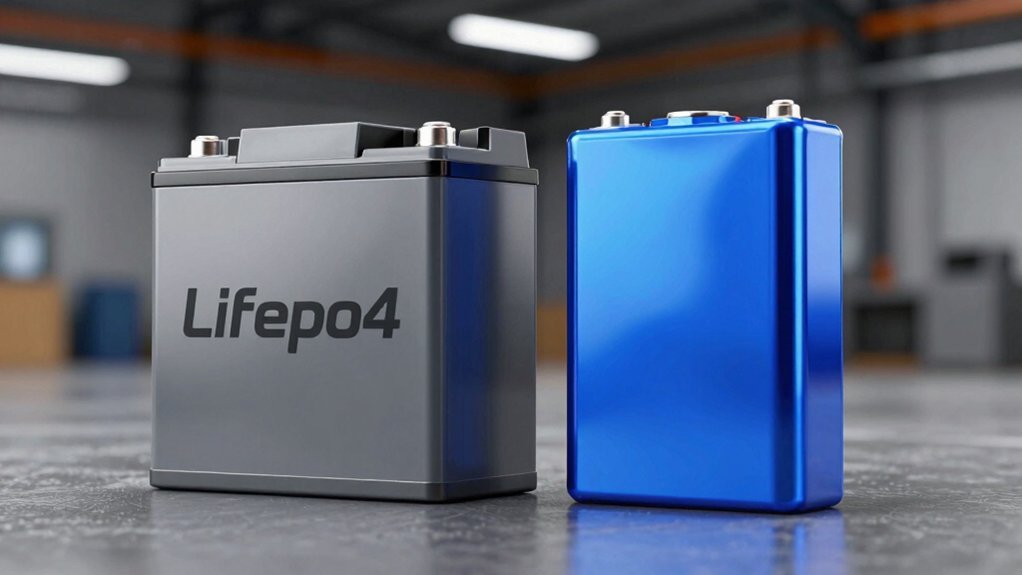
When comparing LiFePO₄ and lithium-ion batteries, their performance characteristics—specifically capacity, power output, and longevity—are essential considerations for determining suitability across various applications. LiFePO₄ batteries typically offer slightly lower energy density but excel in battery lifespan and charging efficiency. They maintain capacity over more charge cycles, resulting in longer service life. Lithium-ion batteries often provide higher capacity and power output, making them suitable for applications requiring quick bursts of energy. However, their longevity can be limited by capacity fade over time. The superior charging efficiency of LiFePO₄ batteries reduces energy loss during recharge cycles, further enhancing long-term performance. Overall, evaluating these performance metrics helps identify which battery type best aligns with specific operational demands.
Safety and Environmental Impact: Which Battery Is Safer and Greener?
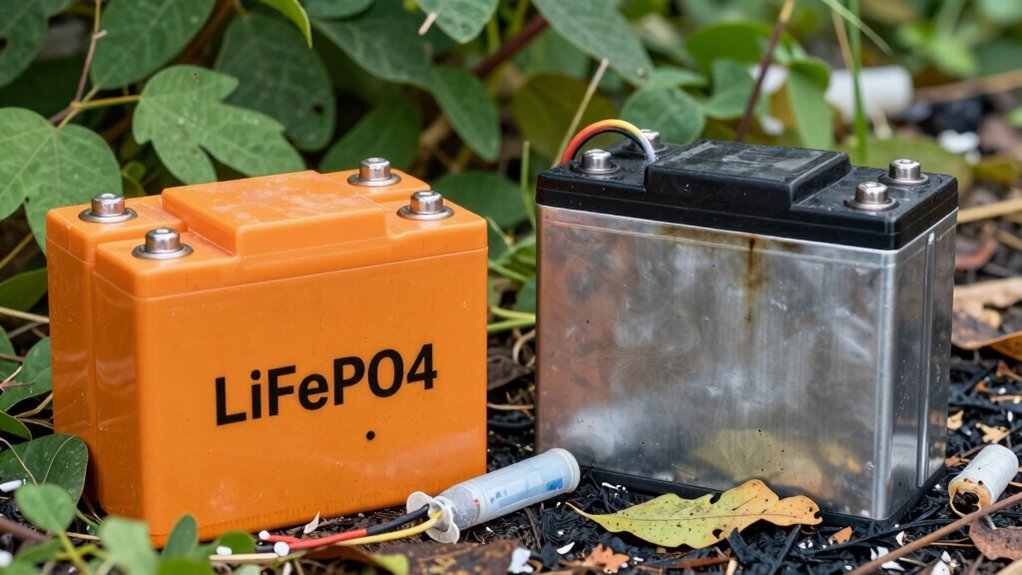
Advancements in battery technology have heightened awareness of safety and environmental considerations, making these factors critical in choosing between LiFePO₄ and lithium-ion batteries. LiFePO₄ batteries are inherently safer due to their thermal stability, reducing risks of thermal runaway and fire. They also produce fewer toxic emissions during battery recycling, aligning with greener disposal practices. Conversely, lithium-ion batteries generally have a higher energy density, which can lead to increased environmental impact if not properly recycled. The recyclability of LiFePO₄ is more straightforward, given its stable chemistry, reducing hazardous waste. Overall, LiFePO₄ batteries tend to be safer and more environmentally friendly, especially regarding battery recycling and reduced toxic emissions, while lithium-ion batteries pose greater risks and environmental challenges due to their higher energy density and material complexity.
Cost and Availability: Which Option Offers Better Value?
Considering cost and availability, LiFePO₄ batteries generally present a more economical option for many applications due to their widespread manufacturing and mature supply chains. Their manufacturing costs are typically lower because of established production processes and high-volume output, which reduces unit costs. Additionally, LiFePO₄ batteries benefit from more efficient battery recycling, helping to mitigate raw material scarcity and reduce environmental impact. Lithium-ion batteries, in contrast, often involve more complex manufacturing procedures and higher raw material costs, especially for cobalt and nickel, which can fluctuate markedly in price. The mature supply chain of LiFePO₄ batteries ensures better availability and predictability in pricing, making them a more cost-effective choice, particularly for large-scale or long-term deployment.
Best Uses for Lifepo4 and Lithium-Ion Batteries
LiFePO₄ and lithium-ion batteries each excel in specific applications based on their unique characteristics, making them suitable for different use cases. LiFePO₄ batteries are favored in stationary energy storage and electric vehicles requiring high safety and longevity, thanks to their thermal stability and cycle life. Conversely, lithium-ion batteries dominate portable electronics and high-performance applications due to their high energy density and lightweight design. However, manufacturing challenges, such as ensuring consistent quality and addressing safety concerns, influence their deployment. Additionally, battery recycling plays a critical role in sustainability, with LiFePO₄ batteries offering easier, safer recycling processes compared to some lithium-ion chemistries. Understanding these distinctions helps optimize application-specific performance while considering environmental impacts and manufacturing complexities.
Choosing the Right Battery: Factors to Consider for Your Needs
When selecting the right battery for your specific application, several key factors must be evaluated to guarantee peak performance and longevity. Critical considerations include understanding the battery’s lifecycle and the importance of battery recycling, which impacts environmental sustainability and overall cost. Charging techniques also play a crucial role; proper protocols extend battery lifespan and enhance efficiency. Lifepo4 batteries typically support more robust charging methods with reduced thermal management issues, while lithium-ion batteries require careful voltage regulation to prevent capacity loss. Additionally, the operational environment, including temperature and load demands, influences choice. By analyzing these factors—recycling processes, ideal charging techniques, and environmental conditions—we can determine the most suitable battery technology for your needs, ensuring reliability and sustainability over the long term.
Frequently Asked Questions
How Do Lifepo4 and Lithium-Ion Batteries Perform in Extreme Temperatures?
We find Lifepo4 batteries exhibit superior thermal resilience and cold performance, maintaining stability in extreme temperatures, while lithium-ion batteries tend to degrade faster under such conditions, making Lifepo4 more reliable in challenging environments.
Can Lifepo4 Batteries Be Recycled Easily Compared to Lithium-Ion?
We find Lifepo4 batteries easier to recycle due to their stable chemistry, which reduces environmental impact, and their longer battery lifespan minimizes waste. Lithium-ion recycling is more complex and environmentally challenging due to hazardous materials.
What Are the Weight Differences Between Lifepo4 and Lithium-Ion Batteries?
We find LiFePO4 batteries generally weigh less than lithium-ion ones, contributing to better energy-to-weight ratios, but their longer battery lifespan and cost comparison often justify slight weight differences in technical applications.
How Quickly Can Each Battery Type Be Charged?
We find Li-ion batteries typically charge faster, often within 1-2 hours, enhancing cost efficiency and battery lifespan, while LiFePO₄ batteries usually require 2-4 hours, but offer superior thermal stability and longevity.
Are There Any Long-Term Maintenance Needs for These Batteries?
We find both batteries require minimal long-term maintenance, but Lifepo4 offers superior battery longevity, reducing overall replacement costs. Lithium-ion may involve occasional balancing and monitoring, impacting cost considerations over extended periods.
Conclusion
Ultimately, choosing between LiFePO₄ and lithium-ion batteries hinges on our priorities—safety, longevity, or capacity. Like two sides of the same coin, each offers distinct advantages aligned with specific demands. As technology advances, understanding these nuances helps us make informed decisions, ensuring peak performance and sustainability. In the end, it’s not just about selecting a battery; it’s about aligning power solutions with our future goals—balancing the art and science of energy storage.