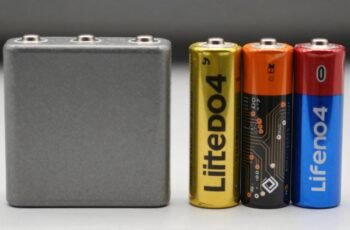
When comparing LiFePO4 and traditional lithium-ion batteries, safety is a critical concern due to their differing chemistries and design features. LiFePO4 batteries are known for their inherent stability, reducing risks like thermal runaway, but understanding the specific safety characteristics and failure modes of each type is essential. Exploring how their chemical compositions influence safety, especially under demanding conditions, reveals important considerations for application and handling. Let’s examine the key safety distinctions that could impact your choices.
Key Takeaways
- LiFePO4 batteries are inherently more thermally stable, reducing fire and explosion risks compared to lithium-ion chemistries.
- They have a lower likelihood of thermal runaway and hazardous failures during abuse conditions.
- Proper handling, including correct charging and storage, is essential for both battery types to ensure safety.
- LiFePO4’s chemical stability makes it safer for high-temperature environments and long-term use.
- Lithium-ion batteries with cobalt or nickel are more prone to overheating, fires, and safety hazards.
How Do LiFePO4 and Lithium-Ion Batteries Differ in Safety Features?
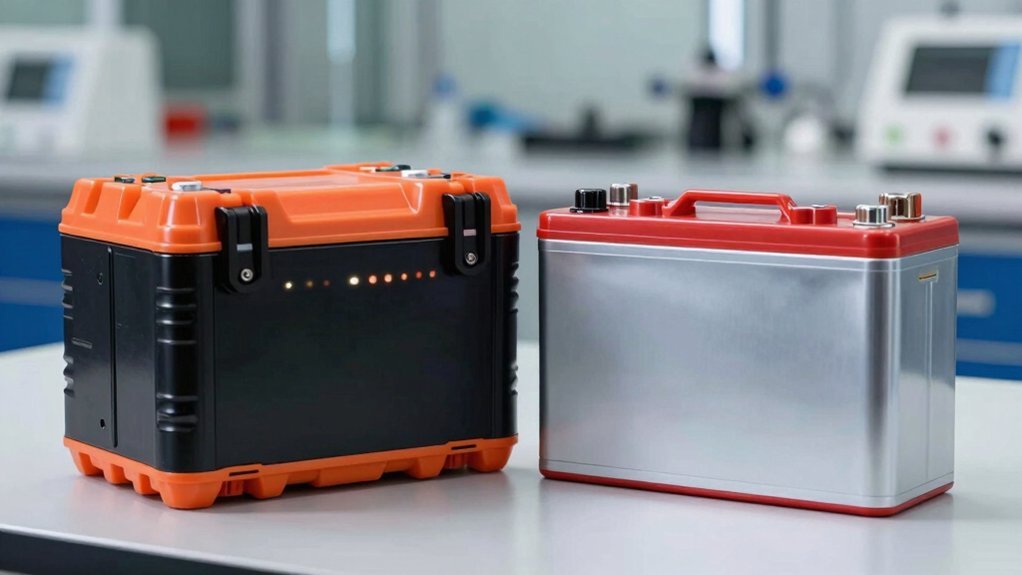
Although both LiFePO4 and traditional lithium-ion batteries utilize lithium chemistry, their safety features differ markedly due to their chemical compositions. LiFePO4 batteries are inherently more stable, reducing the risk of thermal runaway and fires. This stability extends battery lifespan, as fewer degradation issues occur over time. In contrast, lithium-ion batteries with cobalt or nickel cathodes are more prone to overheating, impacting safety and longevity. Additionally, LiFePO4’s chemical stability results in a lower environmental impact, as fewer hazardous materials are released during disposal or failure. These safety advantages make LiFePO4 batteries preferable for applications demanding high reliability, ensuring both safety and environmental considerations are optimized over the battery’s lifespan.
What Are the Common Risks Associated With Lithium-Ion Batteries?
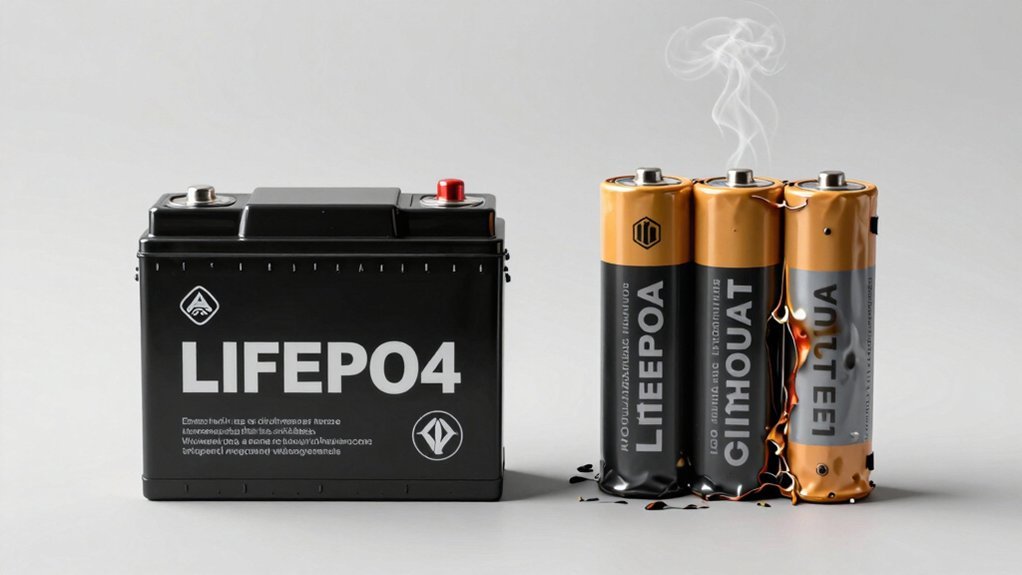
Lithium-ion batteries, despite their widespread use and high energy density, pose several inherent risks that users must understand. These risks include thermal runaway, overcharging, and capacity degradation affecting battery longevity. Improper charging protocols can lead to overheating or reduced lifespan, increasing safety hazards. The following table illustrates key risk factors:
| Risk Factor | Cause | Impact |
|---|---|---|
| Thermal Runaway | Internal short circuits | Fire/explosion |
| Overcharging | Faulty chargers or protocols | Battery damage, leaks |
| Capacity Degradation | Repeated improper charging | Reduced lifespan |
| Mechanical Damage | Physical impact | Internal short circuits |
| Elevated Temperatures | Environmental exposure | Safety hazards |
Effective management of charging protocols and awareness of battery longevity are essential to mitigate these risks.
How Does the Chemical Composition Impact Battery Safety?
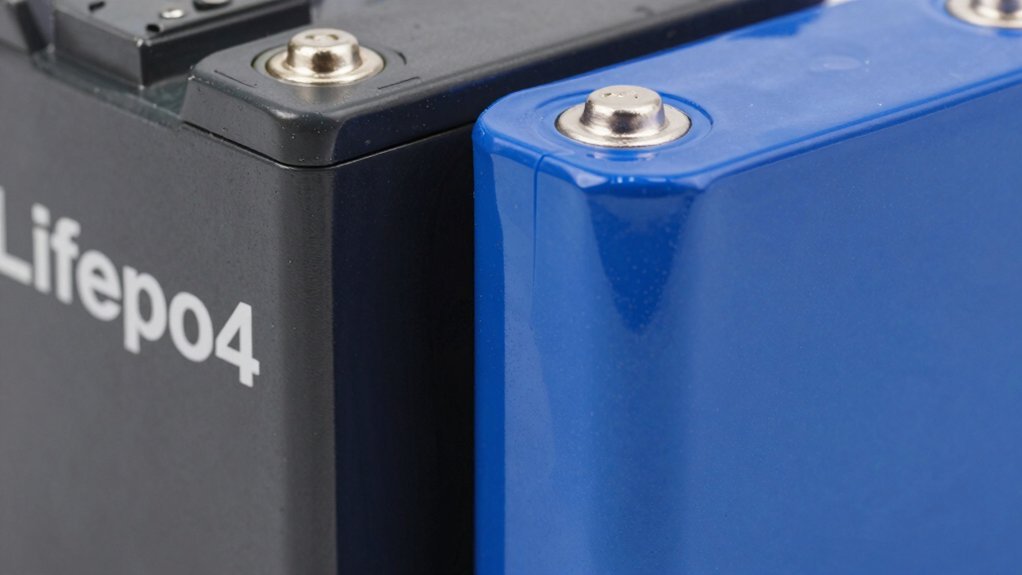
The chemical composition of battery cells directly influences their safety profile by determining their thermal stability, reactivity, and failure modes. Lithium Iron Phosphate (LiFePO4) exhibits superior chemical stability due to its stable phosphate structure, which reduces the risk of thermal runaway. This enhanced thermal resilience allows LiFePO4 batteries to withstand higher temperatures without decomposition or ignition. Conversely, traditional lithium-ion chemistries, such as lithium cobalt oxide, are more reactive and prone to rapid thermal escalation under stress, increasing safety risks. The inherent chemical stability of LiFePO4 minimizes hazardous failure modes, making it safer during abuse conditions. Thus, understanding these compositional differences is essential for evaluating battery safety, especially in applications where thermal resilience and chemical stability are paramount.
Which Battery Type Is Safer for High-Temperature Environments?
When evaluating battery safety in high-temperature environments, LiFePO4 batteries demonstrate superior thermal stability compared to traditional lithium-ion chemistries. Their chemical structure inherently resists thermal runaway, making them less prone to overheating. This enhanced thermal stability translates into higher fire resistance, essential in extreme conditions. Lithium-ion batteries with cobalt or nickel cathodes are more susceptible to heat-induced failure, increasing the risk of fires under thermal stress. LiFePO4’s stable crystal structure limits rapid temperature increases, providing a safer option where elevated temperatures are unavoidable. Consequently, for applications exposed to high temperatures, LiFePO4 batteries offer a significant safety advantage due to their inherent fire resistance and thermal stability, reducing the likelihood of catastrophic failures.
How Can Proper Handling and Maintenance Enhance Battery Safety?
Proper handling and maintenance are critical to guaranteeing battery safety, as even minor neglect can lead to hazardous situations. Adhering to correct charging protocols prevents overcharging or deep discharging, which can degrade the battery and pose safety risks. Regular inspection for signs of damage, such as swelling or corrosion, helps preserve peak performance and extends the battery’s lifespan. Proper storage conditions, including temperature control and avoiding physical shocks, are essential for safety. Implementing precise charging protocols ensures cells are balanced and prevents thermal runaway. Consistent maintenance not only prolongs battery lifespan but also minimizes the likelihood of failure or safety incidents, especially in high-demand applications. Ultimately, diligent handling and maintenance are crucial for safe, reliable operation.
Frequently Asked Questions
How Do Manufacturing Defects Affect Battery Safety in Lifepo4 and Lithium-Ion Batteries?
Manufacturing flaws due to poor quality control can compromise battery safety in both Lifepo4 and lithium-ion cells, leading to risks like thermal runaway or failure. Strict quality control minimizes defects, ensuring safer, more reliable battery performance.
Are There Specific Safety Certifications for Lifepo4 Versus Lithium-Ion Batteries?
We understand both Lifepo4 and lithium-ion batteries undergo safety certifications, focusing on thermal stability and fire hazards. These standards guarantee batteries meet rigorous safety criteria, reducing risks of failure and enhancing overall safety in various applications.
Can Recycling Processes Influence the Safety of Used Batteries?
Like safeguarding a delicate treasure chest, recycling processes can influence battery safety through proper disposal protocols, minimizing recycling hazards, and preventing hazardous failures. We emphasize strict protocols to guarantee used batteries remain safe and environmentally responsible.
How Do Different Charging Protocols Impact Battery Safety?
Charging algorithms aligned with safety standards optimize battery safety by preventing overcharging and thermal runaway. Precise protocols guarantee consistent performance, minimize risks, and extend lifespan across Lifepo4 and lithium-ion batteries, emphasizing the importance of strict adherence to safety guidelines.
What Are the Safety Considerations for Battery Storage and Transportation?
Safety considerations for battery storage and transportation balance risks of thermal runaway with proper thermal management and emergency response protocols; we guarantee secure packaging, temperature control, and clear procedures to prevent accidents and mitigate hazards effectively.
Conclusion
In summary, choosing the safer battery isn’t just about chemistry; it’s about understanding the inherent stability of LiFePO4, much like the steady hand of a seasoned pilot steering turbulent skies. While lithium-ion batteries with cobalt or nickel pose risks, LiFePO4’s robust chemistry offers a safer, more reliable option. By respecting proper handling and maintenance, we can harness this stability—ensuring our energy future remains as resilient as the unwavering stars guiding explorers through the night.