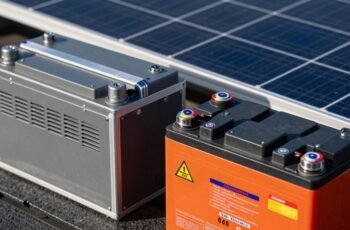
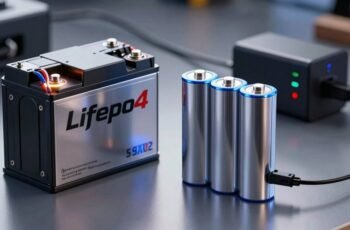
When evaluating battery options for RV applications, it’s clear that the choice involves more than just capacity; subtle differences in chemistry and design can markedly impact safety, longevity, and overall performance. While LiFePO4 batteries are often praised for their stability and extended cycle life, lithium-ion variants offer advantages in energy density and fast charging. Understanding these nuances is essential for making an informed decision, yet the complexities behind each type’s suitability for RV use warrant a closer look.
Key Takeaways
- LiFePO4 offers higher safety, thermal stability, and longer cycle life compared to traditional lithium-ion batteries.
- Lithium-ion batteries provide higher energy density and faster charging but may require more maintenance.
- LiFePO4 is generally more environmentally friendly and easier to recycle than lithium-ion batteries.
- Initial costs for LiFePO4 are higher, but its longer lifespan can reduce total long-term expenses.
- Lithium-ion batteries are suitable for space-constrained setups needing maximum power, while LiFePO4 emphasizes safety and durability.
How Do LiFePO4 and Lithium-Ion Batteries Differ in Composition and Chemistry
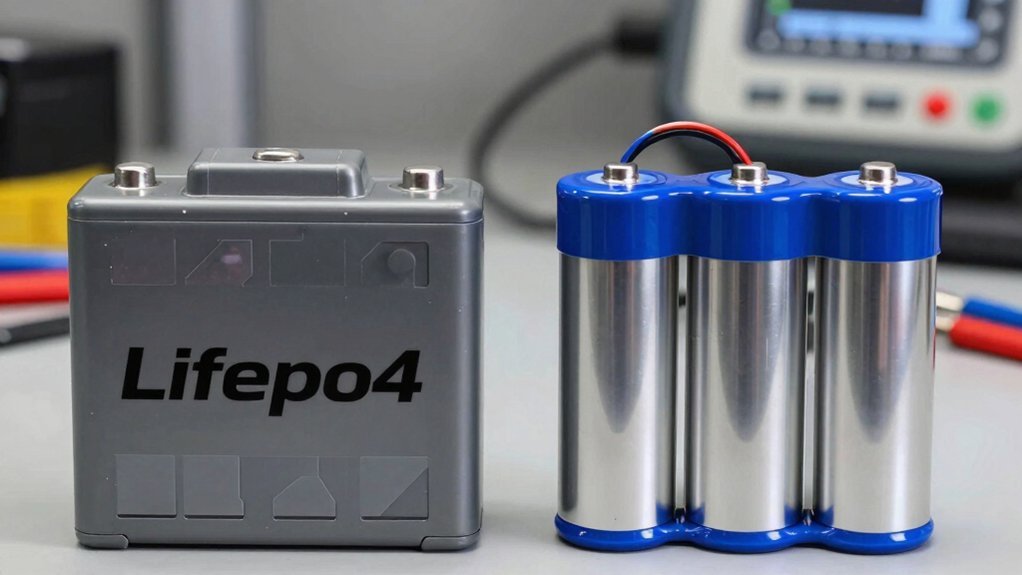
Although both LiFePO4 and traditional lithium-ion batteries are popular energy storage options, they differ considerably in their chemical composition and structure. LiFePO4 batteries utilize lithium iron phosphate as the cathode, providing enhanced battery insulation and thermal stability. In contrast, typical lithium-ion cells often use cobalt or nickel-based cathodes. This variation impacts voltage stability, with LiFePO4 maintaining a more consistent voltage under load, reducing fluctuations that can affect device performance. The chemical stability of LiFePO4 also leads to a longer cycle life and safer operation, less susceptible to thermal runaway. Overall, these compositional differences influence key performance factors like voltage stability and safety, making LiFePO4 a more reliable choice for applications requiring consistent power delivery and robust battery insulation.
Which Battery Type Is More Suitable for RV Use Cases?
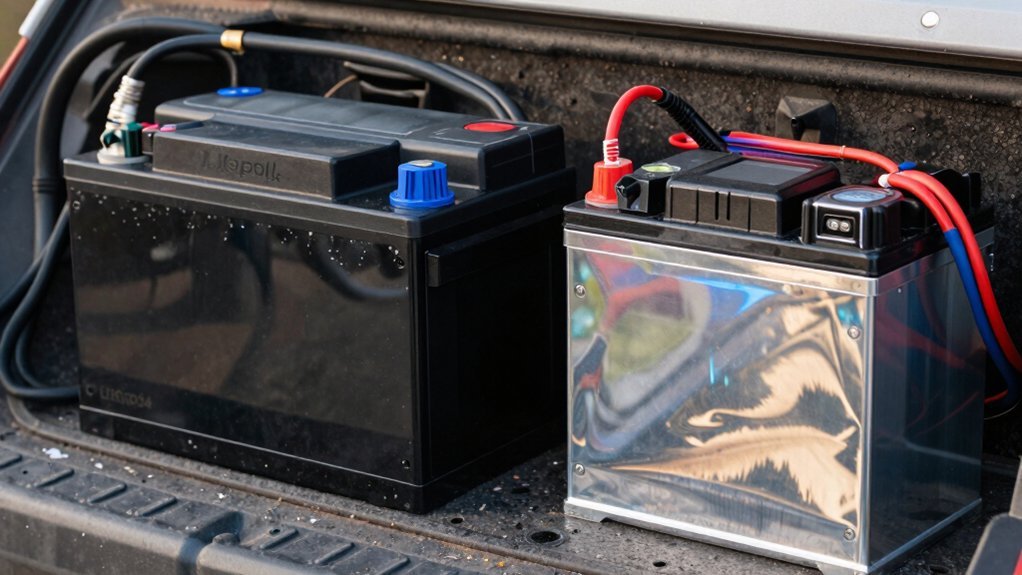
When evaluating battery options for RV use, we need to take into account factors like energy capacity, safety, longevity, and maintenance requirements. Battery technology plays a vital role in these considerations, particularly concerning power efficiency. Lithium-ion batteries typically offer higher energy density and faster charging, making them attractive for maximizing power output in limited space. However, Lifepo4 batteries excel in safety and longevity, providing stable power over many cycles with minimal degradation. For RV applications emphasizing consistent power delivery and reduced maintenance, Lifepo4’s superior stability and extended lifespan often outweigh the marginal gains in power efficiency offered by lithium-ion variants. Ultimately, the choice depends on prioritizing safety and durability versus raw power performance in specific RV use cases.
Comparing Cost and Budget Considerations for LiFePO4 and Lithium-Ion Batteries
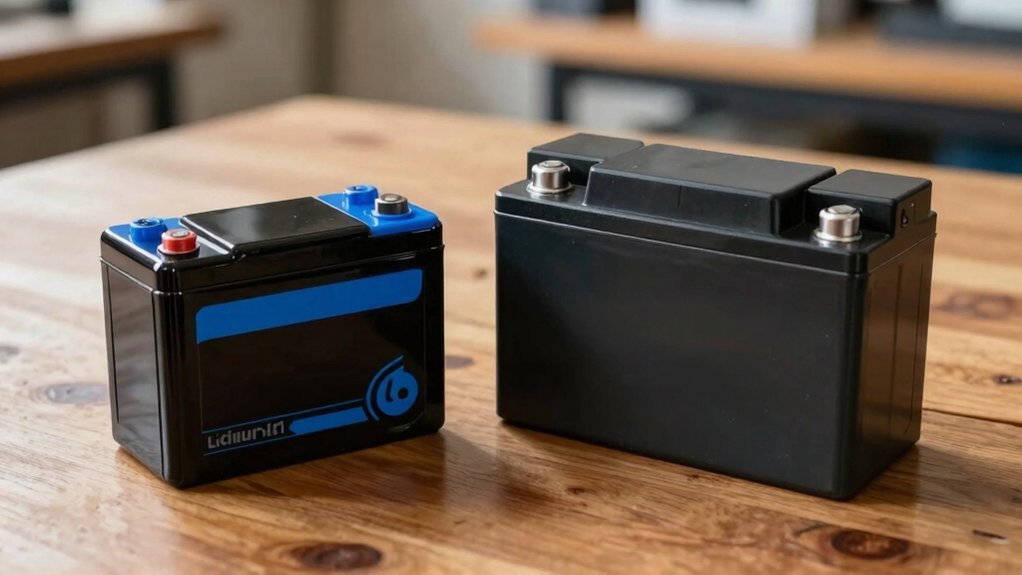
Cost remains a critical factor when choosing between LiFePO4 and lithium-ion batteries for RV applications, as initial investment and long-term expenses can substantially influence decision-making. A thorough price comparison reveals that LiFePO4 batteries typically have a higher upfront cost but offer greater longevity and reduced maintenance, which can offset initial expenses over time. When considering battery installation, LiFePO4 requires specific configurations and compatible components, potentially adding to total costs. Lithium-ion batteries generally have lower purchase prices initially but may incur higher replacement or repair costs due to shorter lifespans and safety considerations. While lithium-ion options might seem more budget-friendly initially, evaluating total lifecycle costs is essential for an accurate financial assessment. Ultimately, balancing upfront costs with long-term reliability is key for budget-conscious RV owners.
Safety Features and Risks of LiFePO4 Versus Lithium-Ion Batteries in RVs
Safety is a primary concern when selecting batteries for RV applications, especially given the differences in chemistry and design between LiFePO4 and lithium-ion options. LiFePO4 batteries are inherently more stable, reducing the risk of thermal runaway. In contrast, lithium-ion batteries pose a higher risk of overheating if damaged or improperly managed. Proper battery installation and effective power management are essential to mitigate safety hazards. The table below highlights key safety features and risks:
| Feature/Risk | LiFePO4 | Lithium-Ion |
|---|---|---|
| Thermal Stability | High | Moderate to Low |
| Flammability Risk | Low | Higher |
| Damage Tolerance | Better | Less tolerant |
| Risk of Overcharge | Lower | Higher |
| Safety Certifications | Widely recognized | Varies |
How Do Charging and Maintenance Requirements Differ Between the Two Batteries?
Charging and maintenance protocols for LiFePO4 and lithium-ion batteries differ markedly due to their distinct chemistries and operational characteristics. Proper battery installation and adherence to specific charging protocols are critical to optimize performance and lifespan. LiFePO4 batteries typically require a dedicated BMS (Battery Management System) to manage voltage and current, ensuring safe operation. Lithium-ion batteries, on the other hand, demand precise voltage control during charging to prevent degradation.
Charging and maintenance differ significantly between LiFePO4 and lithium-ion batteries due to their unique chemistries.
- Battery installation must guarantee correct polarity and secure connections for both types
- Charging protocols for LiFePO4 usually involve bulk, absorption, and float stages, with less strict voltage limits
- Maintenance involves regular monitoring of voltage and temperature, particularly for lithium-ion
- Both require avoiding deep discharges to prolong life
Which Battery Offers Better Performance and Longevity for RV Adventures?
When evaluating the performance and longevity of LiFePO₄ versus lithium-ion batteries for RV adventures, it’s important to take into account how their chemistries influence real-world usability over time. LiFePO₄ batteries typically offer superior cycle life, often exceeding 2,000 to 3,000 cycles, which translates into longer service life under regular use. Their stable chemistry also provides enhanced safety and thermal stability. Lithium-ion batteries, while initially delivering higher voltage and energy density, tend to degrade faster, especially if not protected properly. Battery installation is critical; ensuring proper voltage compatibility prevents damage and optimizes performance. Overall, LiFePO₄ batteries generally outperform lithium-ion options in longevity, making them more suitable for extended RV adventures where durability and consistent performance are essential.
Understanding Weight and Space Savings With LiFePO4 and Lithium-Ion Options
Understanding weight and space savings with LiFePO₄ and lithium-ion batteries is essential for optimizing RV design and functionality. These batteries differ notably in weight and volume, impacting overall space efficiency and weight optimization. LiFePO₄ batteries typically offer higher energy density in a more compact form, reducing the physical footprint and weight load on the vehicle. This allows for more efficient use of available space and enhances payload capacity. Conversely, lithium-ion batteries may require larger enclosures for equivalent capacity, affecting interior layout. Key factors include:
- Compactness of LiFePO₄ cells improves space efficiency
- Reduced weight enhances RV payload capacity
- Smaller battery footprint allows flexible placement
- Weight optimization contributes to better handling and fuel economy
Environmental Impact and Recycling of LiFePO4 Compared to Lithium-Ion Batteries
When comparing the environmental impacts of LiFePO4 and lithium-ion batteries, recycling efficiency and toxicity levels are critical factors. LiFePO4 batteries generally pose fewer environmental hazards during disposal, but their recycling processes can be less efficient. Additionally, the sustainability of raw materials influences long-term ecological footprints for both battery types.
Recycling Efficiency Differences
Recycling efficiency plays a crucial role in evaluating the environmental impact of LiFePO4 versus lithium-ion batteries, as it directly influences resource recovery and waste management. LiFePO4 batteries benefit from simpler recycling processes due to their stable chemistry and less hazardous materials, leading to higher recovery rates during recycling. Conversely, lithium-ion batteries involve more complex recycling processes, often requiring extensive separation of critical materials like cobalt and nickel, which can reduce overall efficiency. Additionally, battery manufacturing impacts recycling efficiency, with LiFePO4’s fewer toxic components simplifying end-of-life processing. The choice of materials and design influences how effectively these batteries can be recycled, ultimately affecting sustainability and resource conservation.
- Simpler chemical composition of LiFePO4
- Reduced hazardous waste during recycling process
- Higher recovery rates for key materials
- Complex separation challenges in lithium-ion recycling
Environmental Toxicity Levels
Why do environmental toxicity levels differ so considerably between LiFePO4 and lithium-ion batteries? The key lies in their chemical compositions and lifecycle impacts. LiFePO4 batteries contain iron, phosphate, and lithium, which are less toxic and pose fewer environmental hazards during disposal or recycling. Conversely, lithium-ion batteries often include cobalt, nickel, and other heavy metals that are highly toxic if released into ecosystems. Proper battery installation and effective power management can mitigate risks by reducing the frequency of discharges that might lead to leaks or damage. Additionally, LiFePO4’s more stable chemistry simplifies recycling processes, lessening environmental toxicity. Overall, the safer chemical profile of LiFePO4 aligns with better environmental outcomes, especially in the context of end-of-life recycling and waste management.
Raw Material Sustainability
What distinguishes LiFePO4 batteries regarding raw material sustainability is their comparatively lower environmental impact during extraction, use, and end-of-life management. Their battery chemistry relies on abundant, less toxic materials, reducing ecological concerns associated with material sourcing. Recycling processes for LiFePO4 are also more straightforward due to fewer hazardous components, minimizing environmental hazards. In contrast, lithium-ion batteries often involve complex material sourcing, including cobalt and nickel, which have significant environmental and social impacts. Additionally, lithium-ion recycling remains more challenging and less efficient, leading to higher waste and resource loss. Overall, LiFePO4’s sustainable raw material profile makes it a more environmentally conscious choice for RV applications.
- Simpler material sourcing reduces ecological strain
- Lower toxicity in battery chemistry
- Easier, safer recycling processes
- Less dependence on conflict minerals
Making the Final Choice: Factors to Consider When Choosing Your RV Battery
Choosing the right RV battery involves a careful assessment of several essential factors that directly impact performance, longevity, and overall value. Battery installation compatibility is critical; guarantee the chosen battery fits your RV’s design and electrical system. Proper power management is equally vital, as it determines how efficiently the battery delivers consistent power and manages charge cycles. Consider the battery’s capacity, discharge rates, and how it interacts with your inverter and charging systems. Lithium-ion batteries often require sophisticated management systems to optimize lifespan, while Lifepo4 batteries tend to offer more straightforward maintenance. Ultimately, evaluating these technical factors helps determine which battery type aligns best with your RV’s operational demands and your long-term energy needs.
Common Questions About Using Lithium Batteries in RVs: FAQs
Understanding the expected lifespan of lithium batteries, along with safety considerations, is vital for reliable RV operation. We also need to take into account proper charging protocols and maintenance routines to maximize performance. Addressing these FAQs helps guarantee informed decisions and safe, efficient use of lithium technology in RVs.
Battery Lifespan Expectations
While lithium batteries generally offer superior longevity compared to traditional lead-acid options, their actual lifespan depends heavily on usage patterns, charge management, and environmental conditions. Advances in battery technology have extended cycle life, often reaching 2000-5000 cycles for Lifepo4 and lithium-ion variants, enhancing power efficiency over time. Proper maintenance—such as avoiding deep discharges and monitoring temperature—significantly impacts lifespan.
Key factors influencing longevity include:
- Consistent, moderate charging rates to prevent stress on the cells
- Avoiding extreme temperatures that accelerate degradation
- Utilizing smart battery management systems for ideal charge cycles
- Limiting deep discharges to preserve cell integrity
Understanding these variables helps maximize the value and durability of lithium batteries in RV applications.
Safety Considerations
Are lithium batteries safe for use in RVs? Generally, yes, but safety hinges on proper battery installation and handling. Lithium-ion batteries, including Lifepo4, incorporate advanced safety features like thermal management and built-in protections against overcharging and short circuits. Proper installation ensures secure connections and minimizes fire risks, especially when integrating batteries into the RV’s electrical system. Additionally, safety protocols should include emergency preparedness measures, such as fire extinguishers rated for electrical fires and clear evacuation procedures. While lithium batteries are engineered for safety, understanding their limitations and adhering to manufacturer guidelines is vital. When correctly installed and managed, lithium batteries offer a safe, reliable energy source for RV applications, provided that safety considerations are prioritized throughout their lifecycle.
Charging and Maintenance
How do we guarantee ideal performance and longevity when charging and maintaining lithium batteries in RVs? Proper management of battery storage and assuring voltage stability are vital. Lithium batteries require a controlled charging process, typically involving a smart charger compatible with LiFePO4 chemistry. Overcharging can damage the cells, reducing lifespan, while undercharging affects capacity. Regular monitoring of voltage stability helps prevent deep discharges and maintains peak performance. To maximize maintenance:
- Use a compatible BMS (Battery Management System) for safe operation
- Avoid extreme temperatures during storage and charging
- Keep the state of charge between 20-80% for longevity
- Periodically check connections for corrosion or loose terminals
Implementing these practices guarantees reliable operation, prolongs battery life, and maintains consistent voltage stability essential for RV applications.
Frequently Asked Questions
How Do Temperature Variations Affect Lifepo4 and Lithium-Ion Battery Performance?
Temperature variations impact battery performance through thermal stability issues and temperature thresholds. Lifepo4 batteries maintain stability at higher temps, while lithium-ion batteries are more sensitive, risking capacity loss or safety concerns outside ideal thermal ranges.
Can I Upgrade My RV Battery From Lithium-Ion to Lifepo4 Easily?
Upgrading from lithium-ion to LiFePO4 in our RV is feasible, but requires evaluating compatibility, wiring modifications, and charger settings. LiFePO4 offers longer battery lifespan and improved charging efficiency, making it a worthwhile technical upgrade.
What Warranties Are Typically Offered for Each Battery Type?
Warranties are like safety nets—LiFePO4 batteries often offer 5-10 years, while lithium-ion warranties vary, typically 3-8 years, depending on battery lifespan and charging protocols. We analyze these factors for reliable performance and longevity.
Are There Specific Brands or Models Recommended for RV Use?
We recommend brands like Battle Born and Renogy, known for quality and safety, emphasizing proper battery recycling and optimized charging methods, which guarantee longevity and performance in RV applications, making them ideal choices for technical, reliable power solutions.
How Do Storage Requirements Differ for Lifepo4 and Lithium-Ion Batteries?
Imagine batteries as guardians of energy; Lifepo4 requires cool, dry storage for ideal lifespan, maintaining charging efficiency, while lithium-ion needs stable, moisture-controlled environments. Both demand precise conditions for longevity and performance, ensuring reliable RV power.
Conclusion
Ultimately, selecting the right battery hinges on balancing safety, longevity, and budget—does higher upfront cost justify longer cycle life and enhanced stability? LiFePO4 batteries excel in safety and durability, making them ideal for long-term RV use, while lithium-ion options offer higher energy density and faster charging. By analyzing your specific needs and priorities, you can make a more informed decision that guarantees reliable performance and peace of mind on the road.