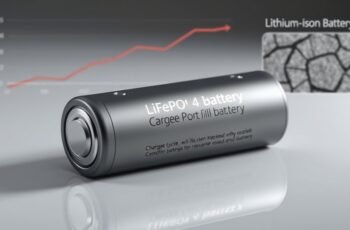
Like the steady pulse of a reliable heartbeat, Lithium Iron Phosphate (LiFePO4) batteries offer a consistent and safe energy source amid the rapidly evolving landscape of rechargeable power. Their stability and environmental advantages position them as a compelling choice across various industries. Yet, understanding their core characteristics and potential applications requires a closer look at what makes LiFePO4 batteries stand apart from other lithium-ion systems—an exploration that can shape future energy solutions.
Key Takeaways
- Lifepo4 batteries are rechargeable lithium-ion cells with stable chemistry and enhanced safety features.
- They offer longer cycle life and better thermal stability compared to traditional lithium-ion batteries.
- Commonly used in renewable energy, electric vehicles, and portable electronics due to durability.
- Eco-friendly with non-toxic materials, supporting sustainable energy and recycling efforts.
- Future innovations focus on improving lifespan, safety, scalability, and environmentally friendly manufacturing.
What Are Lifepo4 Batteries and How Do They Work
Lifepo4 batteries, also known as lithium iron phosphate batteries, are a type of rechargeable lithium-ion cell distinguished by their stable chemical composition and safety profile. Their unique cathode material enhances battery longevity by enabling more charge-discharge cycles without significant capacity loss. This durability translates into a longer usable lifespan compared to other lithium-ion chemistries. Additionally, Lifepo4 batteries have a lower environmental impact due to their non-toxic materials and reduced risk of thermal runaway, which minimizes hazardous waste and safety concerns. Their stable chemistry also means fewer emissions during manufacturing and disposal. Consequently, these batteries offer a sustainable, reliable energy storage solution, making them increasingly favorable for applications demanding both longevity and environmental responsibility.
Key Advantages of Lifepo4 Batteries Over Traditional Options

Compared to traditional lead-acid and nickel-based batteries, Lifepo4 batteries offer significant technical advantages that enhance performance, safety, and sustainability. These include:
- Longer Cycle Life: Lifepo4 cells maintain capacity over thousands of cycles, reducing replacement frequency and waste.
- Enhanced Safety: They feature thermal stability and lower risk of thermal runaway, minimizing safety concerns.
- Environmental Impact and Recycling: Lifepo4 batteries are more environmentally friendly due to non-toxic materials and easier battery recycling processes, which lessen ecological footprint.
These benefits support sustainable energy solutions by reducing environmental impact and facilitating effective battery recycling, making Lifepo4 a superior choice for eco-conscious applications.
Common Applications of Lifepo4 Battery Technology
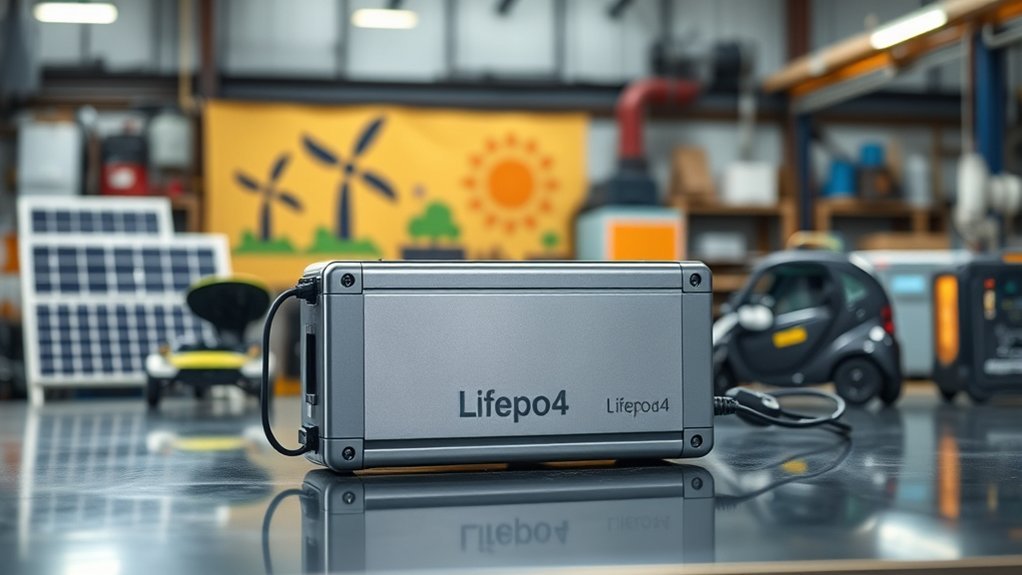
Due to their high energy density, long cycle life, and safety profile, Lifepo4 batteries are increasingly adopted across various industries to meet demanding power needs. In renewable energy systems, they enable efficient energy storage with minimal risk of thermal runaway. Electric vehicles benefit from their extended lifespan, reducing replacement frequency and lifecycle costs. Additionally, portable electronics leverage Lifepo4’s stability and durability. Their widespread use raises considerations around battery recycling, essential for minimizing environmental impact and recovering valuable materials. Recycling processes are improving, helping to reduce waste and environmental hazards associated with battery disposal. Overall, these applications highlight Lifepo4’s role in advancing sustainable technology, emphasizing the importance of responsible battery lifecycle management to mitigate environmental effects.
How to Choose the Right Lifepo4 Battery for Your Needs
Selecting the appropriate Lifepo4 battery requires careful consideration of several key specifications to meet your specific application needs. First, evaluate capacity and voltage to guarantee compatibility with your device’s power demands. Second, prioritize battery safety features, such as built-in protection circuits, to prevent overcharge, overdischarge, and thermal runaway. Third, consider environmental impact; Lifepo4 batteries are known for their lower ecological footprint due to fewer toxic materials and longer lifespan. Additional factors include cycle life, which influences longevity, and form factor, to fit physical space constraints. By analyzing these aspects critically, you can optimize performance while minimizing safety risks and environmental effects, assuring you select a Lifepo4 battery aligned with both technical requirements and sustainable practices.
Future Trends and Innovations in Lifepo4 Battery Development
Advancements in Lifepo4 battery technology are poised to reshape energy storage solutions, driven by ongoing research into materials, design enhancements, and manufacturing processes. Future innovations focus on improving cycle life, safety, and scalability while reducing environmental impact through advanced battery recycling methods. These developments aim to minimize waste and promote sustainable disposal practices. Additionally, integrating smart management systems will optimize performance and longevity. As shown in the table below, emerging trends include material substitutions, eco-friendly manufacturing, and enhanced recycling techniques, all critical for sustainable growth in the sector.
| Trend | Innovation Focus | Environmental Impact |
|---|---|---|
| Material Substitutions | Safer, more abundant materials | Reduced ecological footprint |
| Recycling Technology | Efficient recovery processes | Less waste, pollution |
| Manufacturing Processes | Eco-conscious production methods | Lower carbon emissions |
| Lifecycle Management | Predictive maintenance, reuse | Sustainability improvement |
Frequently Asked Questions
What Are the Safety Considerations When Handling Lifepo4 Batteries?
We prioritize safe battery storage and thermal management, avoiding punctures, short circuits, and overcharging. Proper handling prevents thermal runaway, ensuring safe operation, while regular monitoring of temperature and voltage enhances overall safety during use and maintenance.
How Do Lifepo4 Batteries Perform in Extreme Temperatures?
Lifepo4 batteries excel in extreme temperatures, maintaining over 80% performance stability below -20°C and above 60°C. Their temperature resilience guarantees reliable operation, making them ideal for harsh environments where consistent performance is critical.
Are Lifepo4 Batteries Environmentally Friendly and Recyclable?
We find Lifepo4 batteries environmentally friendly due to their eco-friendly materials and safer chemistry. They are recyclable through battery recycling processes, minimizing environmental impact, and supporting sustainable energy storage solutions, aligning with modern eco-conscious practices.
What Is the Typical Lifespan of a Lifepo4 Battery?
Like a resilient oak, a Lifepo4 battery endures, typically lasting 8-10 years with proper battery maintenance and strict charging protocols. Regular care minimizes capacity fade, ensuring sustained performance and a long, dependable lifespan.
Can Lifepo4 Batteries Be Used in Hybrid or Solar Energy Systems?
We believe LiFePO4 batteries excel in hybrid and solar energy systems due to their stable chemistry, reliable energy storage, long cycle life, and safety features, making them a technically sound choice for sustainable, high-capacity energy management solutions.
Conclusion
In our experience, choosing LiFePO4 batteries is like selecting a reliable compass—steadfast, safe, and future-proof. Their extended cycle life and thermal stability make them an ideal choice for sustainable energy solutions. As we see ongoing innovations, these batteries are poised to revolutionize how we power our lives—much like a lighthouse guiding ships through fog. Embracing this technology means embracing a safer, more efficient, and environmentally conscious energy future.