It’s a coincidence that LiFePO4 batteries, often praised for their safety, also face significant challenges that limit their long-term viability. Despite their stability, issues like capacity fade, finite cycle life, and temperature sensitivity persist, affecting performance and safety. Understanding these problems is essential for anyone considering their use, as ongoing innovations aim to address these limitations. Exploring the technical details behind these issues reveals why their widespread adoption remains a complex balancing act.
Key Takeaways
- LiFePO4 batteries have limited charge cycles, leading to capacity degradation over time.
- High temperatures can cause thermal instability and increase the risk of thermal runaway.
- Manufacturing defects and inconsistent cell balancing may result in voltage fluctuations and reduced performance.
- They can be sensitive to overcharging, deep discharging, and environmental stressors, impacting longevity.
- Cost and recycling challenges persist due to complex materials and limited lifespan.
What Are Lithium Iron Phosphate Batteries and How Do They Work?
Lithium iron phosphate (LiFePO4) batteries are a type of lithium-ion battery distinguished by their cathode composition, which uses lithium iron phosphate instead of cobalt or manganese oxides. This chemistry offers enhanced thermal stability and a longer cycle life. During operation, lithium ions move between the cathode and anode, generating electrical energy. Manufacturing processes for LiFePO4 batteries emphasize material purity and precise electrode fabrication to optimize performance. Recycling plays a critical role in sustainable production, as recovering lithium, iron, and phosphate components reduces environmental impact and preserves resource availability. Understanding these manufacturing and recycling methods is essential to address the broader challenges associated with LiFePO4 batteries, including their relatively complex recycling procedures and the need for efficient recovery of valuable materials.
Thermal Stability Challenges in LiFePO4 Batteries
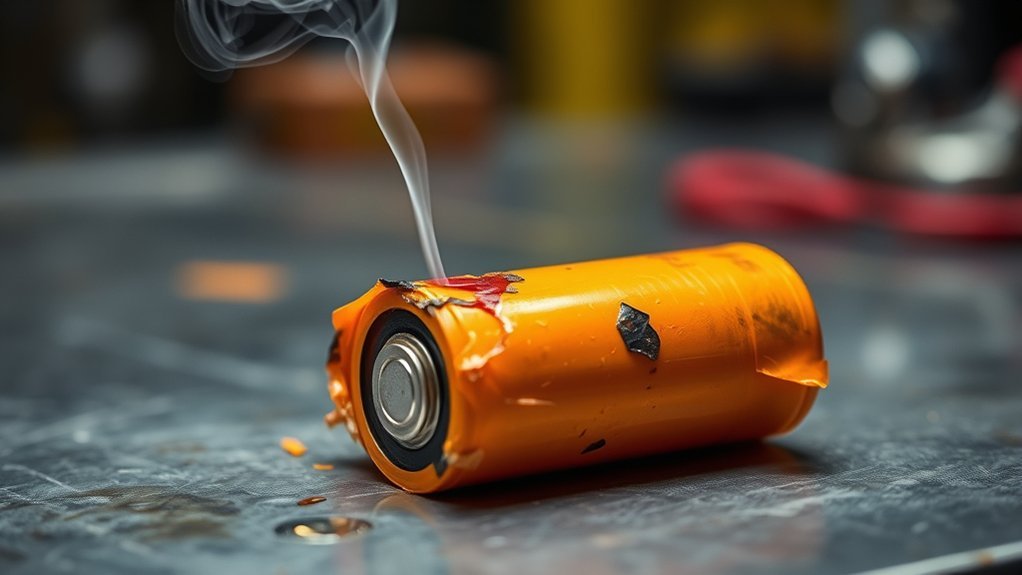
Thermal stability in LiFePO4 batteries presents significant challenges, as elevated temperatures can accelerate degradation of internal components and reduce lifespan. While these batteries are generally safer than other chemistries, the risk of thermal runaway remains if cooling systems fail or are insufficient. Addressing cooling limitations and understanding temperature-induced risks are essential for ensuring safe, long-term operation.
Temperature-Induced Degradation Risks
While LiFePO4 batteries are generally regarded for their thermal stability, elevated temperatures can still pose significant degradation risks. High heat accelerates electrolyte decomposition, undermining electrolyte stability and reducing overall performance. furthermore, manufacturing defects, such as imperfect cell sealing or flawed electrode materials, exacerbate temperature sensitivity by creating localized hotspots. These defects can initiate degradation pathways that compromise battery longevity prematurely. Specifically, elevated temperatures can lead to:
- Deterioration of electrolyte stability, resulting in increased internal resistance.
- Accelerated breakdown of electrode materials, diminishing capacity.
- Amplified impact of manufacturing defects, heightening the risk of early failure.
Understanding these risks emphasizes the importance of precise thermal management and quality control in manufacturing processes, ensuring the longevity and safety of LiFePO4 batteries under varying temperature conditions.
Thermal Runaway Potential
Is thermal runaway a genuine risk for LiFePO4 batteries despite their reputation for stability? While LiFePO4 chemistry is inherently more thermally stable than other lithium-ion types, it’s not immune to thermal runaway under extreme conditions. Elevated temperatures or internal faults can induce rapid heat buildup, risking catastrophic failure. Manufacturing safety protocols are vital to minimize defect-related risks, but once in use, improper handling or damage can still trigger thermal runaway. Additionally, during battery recycling, thermal management becomes essential to prevent accidental ignition from residual energy or hazardous materials. Although less prone to thermal runaway than other chemistries, understanding these potential risks underscores the significance of rigorous safety practices throughout the lifecycle, from manufacturing to disposal, to guarantee overall system integrity.
Cooling System Limitations
Despite their inherent thermal stability, LiFePO4 batteries face limitations related to their cooling systems, which can impact overall thermal management. Cooling efficiency plays a vital role in maintaining peak performance and safety. When cooling systems are inadequate, several issues can arise:
- Heat buildup that compromises battery lifespan and safety.
- Uneven temperature distribution, leading to uneven wear and reduced capacity.
- Thermal runaway risk increases if heat is not effectively dissipated, despite LiFePO4’s stability.
These challenges highlight the importance of advanced cooling solutions. Improving thermal management involves optimizing cooling system design to guarantee consistent heat removal, thereby safeguarding battery health and enhancing operational reliability. Addressing cooling system limitations is essential for maximizing the safety and longevity of LiFePO4 batteries.
Voltage Inconsistencies and Power Delivery Issues

Voltage inconsistencies in LiFePO4 batteries often stem from uneven cell balancing and temperature fluctuations, which can disrupt stable power delivery. Variations in cell voltage, caused by inconsistent battery packaging or manufacturing tolerances, lead to uneven current flow. These disparities hinder efficient energy transfer, especially under high load conditions. Proper charging protocols are essential to guarantee voltage drift mitigation, as improper charging can exacerbate imbalance issues. Temperature fluctuations further compound this problem by affecting electrolyte stability and internal resistance, resulting in inconsistent voltage outputs. To ensure reliable power delivery, manufacturers must optimize battery packaging to promote uniform cell performance and implement precise charging protocols tailored to temperature conditions. Addressing these factors is critical for maintaining consistent voltage levels and optimizing the overall performance of LiFePO4 batteries.
Cost and Lifespan Limitations of LiFePO4 Batteries
We recognize that the high initial costs of LiFePO4 batteries can be a significant barrier for many users. Additionally, their limited charge cycle count and gradual capacity decline over time reduce long-term value. These factors critically impact the overall cost-effectiveness and practical lifespan of these batteries.
High Initial Investment
LiFePO4 batteries require a substantial initial investment compared to traditional lead-acid options, primarily due to their higher manufacturing costs and advanced chemistry. Market trends indicate that despite decreasing prices, these batteries remain pricey upfront. The elevated manufacturing costs stem from complex electrode materials and precision assembly processes, which increase the initial expense. This high cost can be overwhelming, especially for large-scale applications. Consider these key factors:
- The premium price limits early adoption for budget-conscious consumers.
- Longer payback periods can deter investment despite operational savings.
- Fluctuating market trends may influence future pricing, adding financial uncertainty.
Understanding these elements helps evaluate whether the upfront cost aligns with long-term benefits, emphasizing the importance of thorough cost analysis when choosing LiFePO4 technology.
Limited Charge Cycles
While the higher initial cost of LiFePO4 batteries can be a notable barrier, their long-term value is also affected by their limited number of charge cycles. Typically, LiFePO4 batteries withstand around 2,000 to 3,000 cycles before capacity diminishes considerably, impacting overall lifespan and cost-effectiveness. This cycle limitation influences maintenance schedules and replacement frequency, contributing to lifecycle costs. From an environmental perspective, limited charge cycles emphasize the importance of effective battery recycling programs to mitigate waste and reduce environmental impact. Proper recycling ensures valuable materials are recovered, lessening the ecological footprint. Despite their durability, understanding these cycle constraints is vital for optimizing performance and sustainability, especially when evaluating long-term investments and environmental considerations in battery deployment.
Decreasing Capacity Over Time
As batteries age, their capacity to store and deliver energy diminishes, which directly impacts their efficiency and overall lifespan. This decline results from factors like repeated charge cycles, manufacturing defects, and environmental stressors. Over time, the degradation leads to:
- Reduced usable capacity, forcing users to replace or upgrade systems prematurely.
- Increased costs associated with frequent replacements and battery recycling efforts.
- Heightened environmental impact due to discarded batteries and manufacturing waste.
Manufacturing defects can accelerate capacity loss, emphasizing the importance of quality control. Additionally, improper handling or exposure to extreme temperatures can further decrease lifespan. The diminishing capacity underscores the need for advancements in battery recycling techniques and manufacturing processes to extend battery longevity and mitigate costs.
How Temperature Affects LiFePO4 Battery Performance
Temperature plays a critical role in the performance and lifespan of LiFePO4 batteries. Temperature effects directly influence their performance stability, affecting charge capacity, cycle life, and efficiency. Elevated temperatures accelerate electrochemical reactions, which can lead to faster capacity fade and potential thermal stress. Conversely, low temperatures increase internal resistance, reducing current flow and overall performance. Ideal operation occurs within a specific temperature window, typically around 20°C to 25°C, where performance stability is maximized. Deviations outside this range compromise battery efficiency and longevity. Understanding these temperature effects allows us to better manage thermal conditions, ensuring consistent power delivery and extending the lifespan of LiFePO4 batteries. Proper thermal regulation is essential to mitigate adverse impacts caused by temperature fluctuations.
Common Safety Concerns and Thermal Runaway Risks
Understanding the safety concerns associated with LiFePO4 batteries is critical for their reliable use, especially regarding thermal runaway risks. Thermal runaway occurs when internal cell temperatures escalate uncontrollably, risking fire or explosion. Key factors include:
Thermal runaway in LiFePO4 batteries can lead to fire or explosion due to uncontrolled temperature escalation.
- Manufacturing safety lapses that compromise cell integrity, increasing vulnerability.
- Improper battery recycling practices that may damage internal components, heightening failure risk.
- Overcharging or deep discharging, which destabilizes the battery chemistry and can trigger thermal events.
Addressing these risks requires strict manufacturing standards and proper disposal protocols. By ensuring manufacturing safety and responsible battery recycling, we reduce the chance of thermal runaway incidents. Vigilance in these areas is essential to maintain safe operation and mitigate potential hazards associated with LiFePO4 battery failure.
Troubleshooting Battery Degradation and Capacity Loss
Over time, even well-maintained LiFePO4 batteries can experience capacity loss and performance decline. This degradation often stems from manufacturing defects, which may cause uneven electrode wear or internal cell imbalances, reducing overall capacity. Additionally, improper usage, such as deep discharges or exposure to extreme temperatures, accelerates capacity fade. To troubleshoot, we examine cell voltages and internal resistance, identifying weak or failing cells. Recycling practices can sometimes reveal underlying manufacturing flaws that contributed to early degradation. Regular monitoring of State of Charge (SoC) and State of Health (SoH) metrics helps detect subtle declines. Addressing these issues early guarantees prolonged battery lifespan and peak performance, while understanding the root causes guides improvements in manufacturing quality control to minimize future capacity loss.
Future Improvements and Innovations in LiFePO4 Technology
Advancements in LiFePO4 battery technology are poised to address current limitations through innovative material enhancements and design optimizations. Nanotechnology advancements enable the development of electrode materials with increased surface area and improved conductivity, leading to higher energy density and faster charging. Recycling innovations are revolutionizing sustainability, allowing for more efficient recovery of valuable materials and reducing environmental impact. These innovations inspire confidence in future applications, with key developments including:
- Enhanced electrode stability through nano-engineered materials, extending battery lifespan.
- Increased recyclability via novel processes that recover and reuse critical components.
- Integration of smart design features that optimize thermal management and safety.
Together, these improvements promise more durable, eco-friendly, and high-performance LiFePO4 batteries for diverse applications.
Frequently Asked Questions
Are Lifepo4 Batteries Suitable for High-Drain Applications?
Lifepo4 batteries are suitable for high-drain applications due to their ability to deliver high current efficiently, but they require proper thermal management to prevent overheating and guarantee safety during intense use.
How Do Lifepo4 Batteries Perform in Extremely Cold Climates?
In cold weather, Lifepo4 batteries struggle, demanding battery heating to maintain performance. We find their capacity drops considerably, making them less reliable, so proper insulation and heating systems are essential for ideal operation in freezing climates.
Can Lifepo4 Batteries Be Recycled or Repurposed?
We can recycle and repurpose LiFePO4 batteries through specialized battery recycling processes, reducing environmental impact. These methods recover valuable materials, ensuring sustainability and minimizing waste, which is essential for environmental preservation and resource efficiency.
What Are the Environmental Impacts of Lifepo4 Battery Disposal?
The environmental impacts of Lifepo4 battery disposal are minimized by adhering to disposal regulations, but improper handling can cause resource wastage and potential pollution. We emphasize proper recycling to maximize battery lifespan and reduce ecological harm.
Are There Compatibility Issues With Existing Battery Management Systems?
Surprisingly, our existing BMS often handles Lifepo4 compatibility, but overlooked issues can affect battery lifespan and charging safety. Ironically, seamless integration demands meticulous calibration—showing even advanced systems need careful tuning to prevent operational hiccups.
Conclusion
While LiFePO4 batteries offer notable safety and stability, their limitations—such as capacity degradation, temperature sensitivity, and cost—pose ongoing challenges. As research advances, we anticipate innovations that address these issues, improving lifespan and performance. Understanding these inherent problems helps us optimize usage and safety protocols. Ultimately, managing these technical hurdles guides us toward more reliable, durable energy storage solutions, aligning with our goal of sustainable and efficient power systems.