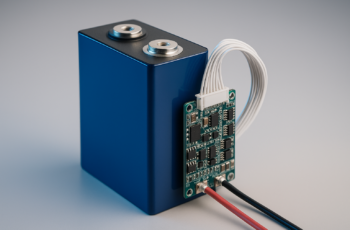
We recognize that lithium iron phosphate (LiFePO4) batteries offer significant technical advantages, particularly in safety, longevity, and environmental impact. Their chemical stability reduces risks of thermal runaway, while their durability ensures long-term reliability across demanding applications. Understanding these core benefits can influence critical decisions in energy storage solutions, but evaluating how they perform under various conditions requires a detailed look at their unique characteristics and real-world implementations.
Key Takeaways
- Safer chemical stability reduces thermal runaway and fire hazards.
- Long lifespan exceeds 2,000 cycles, ensuring reliable and durable performance.
- Eco-friendly manufacturing and recyclability support sustainability.
- High cycle life and stable voltage optimize energy storage efficiency.
- Wide temperature operation (-20°C to 60°C) ensures versatile and safe usage.
The Safety Advantages of LiFePO4 Batteries
Although lithium iron phosphate (LiFePO4) batteries are often praised for their energy density, their safety profile is equally notable. Their chemical stability is a key factor, as the phosphate-based cathode resists thermal decomposition and minimizes the risk of thermal runaway. This inherent stability reduces the likelihood of catastrophic failures under stress or damage. Additionally, LiFePO4 batteries exhibit superior thermal safety, as they operate efficiently within a broad temperature range without significant risk of overheating. Unlike other lithium-ion chemistries, they do not release oxygen during failure, further mitigating fire hazards. These properties make LiFePO4 batteries inherently safer for various applications, providing peace of mind through predictable, stable performance and reduced safety concerns.
Why LiFePO4 Batteries Offer Longer Lifespan and Reliability

LiFePO4 batteries are renowned for their exceptional longevity and consistent performance, primarily due to their robust chemical structure. Their chemistry stability minimizes degradation over multiple charge cycles, enabling a longer lifespan compared to other lithium-ion chemistries. This stability reduces the risk of thermal runaway and capacity fade, ensuring reliable operation over time. When conducting a cost comparison, despite higher initial costs, LiFePO4 batteries prove economical in the long term due to fewer replacements and lower maintenance requirements. Their ability to sustain a high number of charge-discharge cycles—often exceeding 2,000—further affirms their durability. Ultimately, this combination of chemistry stability and cost efficiency makes LiFePO4 batteries a superior choice for applications demanding longevity and dependable performance.
Environmental Benefits and Sustainability of LiFePO4 Technology

The environmental advantages of LiFePO4 technology are significant, driven by its inherent chemical stability and long lifespan. Its eco-friendly manufacturing process minimizes toxic waste, reducing ecological impact. Additionally, LiFePO4 batteries support recycling benefits, enabling material recovery and reuse, which diminishes resource depletion. This sustainability reduces the carbon footprint associated with battery production and disposal. The table below summarizes key environmental benefits:
| Aspect | Impact |
|---|---|
| Eco friendly manufacturing | Low toxic emissions, minimal hazardous waste |
| Recycling benefits | Efficient material recovery, reduced landfill use |
How LiFePO4 Batteries Enhance Performance in Various Applications
Due to their unique chemical composition and stable thermal characteristics, LiFePO4 batteries deliver consistent and reliable performance across a wide range of applications. The battery chemistry provides high cycle life and stable voltage output, which enhances energy storage efficiency. In power applications, their rapid charge and discharge capabilities improve system responsiveness and efficiency. For renewable energy systems, LiFePO4 batteries offer dependable energy storage with minimal degradation over time. Their thermal stability guarantees safety and longevity even under demanding conditions. Additionally, their low internal resistance supports high current delivery without overheating, making them ideal for electric vehicles and backup power. Overall, the combination of chemistry stability and energy storage capacity allows LiFePO4 batteries to optimize performance in diverse scenarios, assure dependable, long-term operation.
Choosing the Right LiFePO4 Battery for Your Needs
When selecting the most suitable LiFePO4 battery for your application, it’s essential to take into account specific technical specifications and operational requirements. Key factors include battery capacity and charging efficiency, which directly impact performance and longevity. Higher capacity batteries support longer usage, while efficient charging reduces energy waste. To assist decision-making, consider this comparison:
| Parameter | Typical Range | Impact on Performance |
|---|---|---|
| Battery Capacity | 10Ah to 300Ah | Longer runtime, greater power storage |
| Charging Efficiency | 95% to 99% | Faster recharge, less energy loss |
| Voltage | 12V, 24V, 48V | Compatibility with systems |
| Cycle Life | 2000 to 5000 cycles | Durability and lifespan |
| Temperature Range | -20°C to 60°C | Operational stability |
Choosing wisely guarantees best performance tailored to your energy demands.
Frequently Asked Questions
Are Lifepo4 Batteries Suitable for High-Temperature Environments?
We find LiFePO4 batteries are suitable for high-temperature environments due to their improved thermal management, which enhances battery lifespan. Proper thermal regulation is essential to prevent overheating, ensuring safe operation and maintaining performance in elevated temperatures.
How Do Lifepo4 Batteries Perform in Cold Weather Conditions?
We find LiFePO4 batteries maintain excellent battery durability in cold weather, with minimal capacity loss. Their stable chemistry enables reliable performance, making them suitable for cold environments, though slightly reduced efficiency is observed compared to warmer conditions.
Can Lifepo4 Batteries Be Recycled Easily?
Recycling Lifepo4 batteries is remarkably straightforward, substantially reducing environmental impact through established processes. These batteries lend themselves well to efficient recycling, enabling us to recover valuable materials and minimize ecological harm, making sustainability a practical reality.
What Are the Cost Differences Between Lifepo4 and Other Battery Types?
We find that the cost comparison shows Lifepo4 batteries generally have higher initial battery pricing than lead-acid, but offer lower long-term costs due to superior cycle life and efficiency, making them a more cost-effective choice over time.
Are There Any Safety Concerns With Large-Scale Lifepo4 Battery Installations?
We recognize that large-scale LiFePO4 installations generally pose minimal fire hazards due to their superior thermal stability; however, proper system design, rigorous thermal management, and safety protocols are essential to mitigate any potential safety concerns.
Conclusion
In conclusion, LiFePO4 batteries deliver safety, longevity, and sustainability—qualities essential for demanding applications. They provide thermal stability, consistent performance, and eco-friendly operation across diverse environments. By choosing LiFePO4, we guarantee reliability, reduce environmental impact, and optimize operational efficiency. These batteries exemplify a balanced integration of technology and responsibility, making them a strategic choice for innovation, durability, and sustainability in today’s evolving energy landscape.