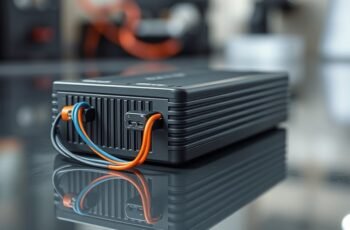
When operating LiFePO4 batteries in cold weather, we observe significant performance challenges that impact their reliability and lifespan. Lower temperatures slow electrochemical reactions and increase internal resistance, leading to diminished capacity and efficiency. These effects raise questions about ideal usage conditions and long-term viability in colder climates. Understanding these limitations is essential for developing effective strategies to maintain performance, making it vital to explore the underlying mechanisms and potential solutions.
Key Takeaways
- Cold temperatures increase internal resistance, reducing capacity and efficiency of LiFePO4 batteries.
- Low temperatures slow ion mobility, leading to longer charging times and decreased discharge performance.
- Battery performance declines, with voltage drops and higher self-discharge rates in cold weather.
- Cold conditions accelerate battery aging and degradation, shortening lifespan.
- Additional thermal management is required to maintain optimal operation in low temperatures.
How Cold Weather Affects LiFePO4 Battery Performance
Cold weather greatly impacts LiFePO4 battery performance by reducing its chemical activity and increasing internal resistance. This is primarily due to changes in battery chemistry at lower temperatures, which slow ion movement and diminish electrochemical reactions. As a result, capacity and efficiency decline, affecting overall performance. Effective thermal management becomes essential to mitigate these effects, maintaining best operating temperatures and preserving battery chemistry stability. Without proper thermal regulation, the increased internal resistance hampers charge acceptance and discharge rates, further impairing functionality. Understanding this relationship between battery chemistry and temperature highlights the importance of integrated thermal management systems. These systems help sustain chemical processes and minimize capacity loss, ensuring that LiFePO4 batteries operate more reliably in cold environments.
Understanding Reduced Capacity in Low Temperatures
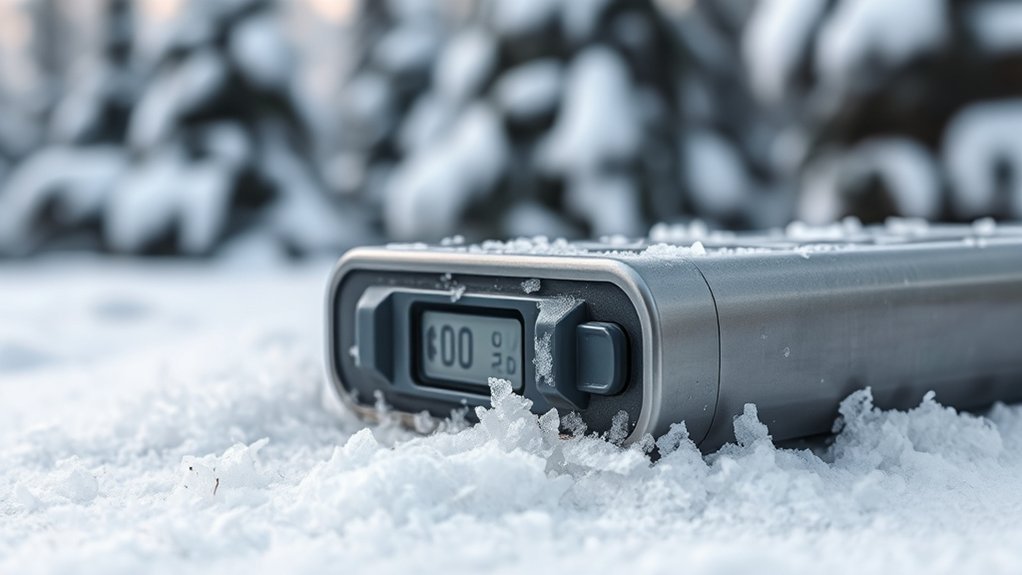
As temperatures drop, LiFePO4 batteries experience a noticeable reduction in their available capacity, primarily due to slowed electrochemical reactions within the cell. This decline stems from the intrinsic battery chemistry, where low temperatures hinder ion mobility and electrode kinetics, reducing the effective capacity. Thermal management becomes essential, as insufficient heat impairs reaction rates further, exacerbating capacity loss. At colder temperatures, the electrolyte’s ionic conductivity decreases, limiting charge transfer processes. Consequently, the battery’s ability to deliver full power diminishes, not because of a fundamental failure but due to slowed electrochemical activity. Understanding this interplay between battery chemistry and thermal management helps us appreciate why capacity drops in cold conditions, emphasizing the significance of maintaining ideal operating temperatures for performance consistency.
The Impact of Cold on Charging and Discharging Efficiency
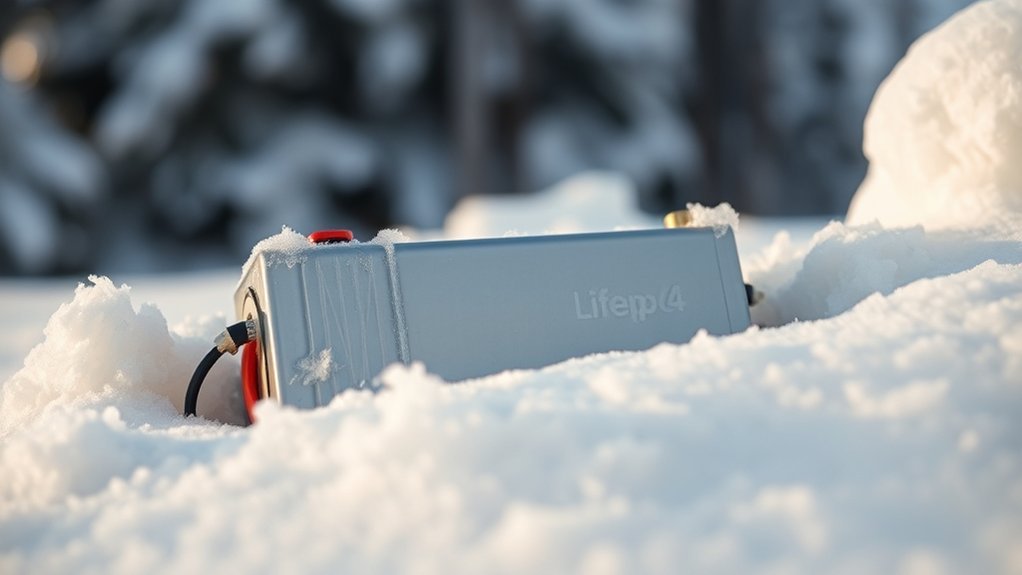
Reduced capacity due to low temperatures directly impacts the efficiency of both charging and discharging processes in LiFePO4 batteries. This is primarily driven by the battery chemistry, which becomes less reactive in cold conditions, increasing internal resistance. As a result, energy transfer during charging is hindered, requiring higher voltages to achieve full charge, while discharging efficiency declines due to slowed electrochemical reactions. Effective thermal management is critical in mitigating these effects; maintaining ideal temperature ranges helps preserve the battery’s internal chemistry and reduces resistance. Without proper thermal regulation, the battery’s ability to accept charge and deliver power diminishes considerably, compromising overall performance. Understanding these interactions underscores the importance of temperature control to maximize charging and discharging efficiency in cold environments.
Common Signs of Cold-Related Battery Degradation
How can we identify when LiFePO4 batteries are suffering from cold-related degradation? Changes in battery chemistry and impaired thermal regulation often manifest through specific signs.
- Reduced Capacity: Noticeable decline in usable energy, indicating compromised electrochemical processes.
- Voltage Fluctuations: Unstable voltage output under load, reflecting disrupted thermal regulation affecting internal resistance.
- Prolonged Recovery Time: Slower rebalancing after discharge, signaling degradation in the cathode or anode due to cold stress.
- Increased Self-Discharge: Elevated self-discharge rates, a sign that battery chemistry stability is compromised at low temperatures.
These signs collectively point to cold-induced damage, emphasizing the importance of monitoring performance metrics to detect early degradation.
Strategies to Mitigate Cold Weather Disadvantages
Mitigating the adverse effects of cold weather on LiFePO4 batteries requires a combination of strategic management and technological interventions. Effective battery maintenance involves regular inspection and balancing to prevent capacity loss caused by temperature fluctuations. Implementing thermal management systems, such as insulated enclosures or active heating elements, guarantees batteries operate within ideal temperature ranges, reducing the risk of capacity degradation and internal resistance increases. Monitoring temperature data allows for real-time adjustments, preserving performance and prolonging lifespan. Additionally, pre-warming batteries before use minimizes cold-start issues, while proper storage practices prevent exposure to extreme cold. By integrating these approaches, we can substantially mitigate cold weather disadvantages, maintaining battery efficiency and reliability during winter conditions.
Best Practices for Using LiFePO4 Batteries in Winter
Pre-warming LiFePO4 batteries before use reduces internal resistance and minimizes capacity loss in cold conditions. Proper insulation maintains temperature stability, preventing rapid cooling during operation. Implementing these practices guarantees reliable performance and prolongs battery lifespan in winter environments.
Pre-Warm Batteries Regularly
Have you considered the importance of pre-warming LiFePO4 batteries before use in cold weather? Proper temperature regulation guarantees peak performance by maintaining battery chemistry within ideal ranges. Pre-warming can be achieved through:
- Using dedicated battery warmers connected to a power source.
- Applying heat blankets designed for battery packs.
- Placing batteries in insulated enclosures with controlled heat sources.
- Gradually increasing temperature to prevent thermal shock and preserve chemistry integrity.
Pre-warming addresses the reduced ion mobility at low temperatures, which hampers chemical reactions. This proactive step minimizes capacity loss and prolongs battery lifespan. Regular pre-warming ensures consistent performance, reduces internal resistance, and maintains safe operation, especially during extended cold exposure. Proper temperature regulation is essential for maximizing LiFePO4 battery efficiency in winter conditions.
Use Insulation Properly
Proper insulation is vital for maintaining ideal operating temperatures of LiFePO4 batteries during cold weather, as it reduces heat loss and shields the cells from external thermal fluctuations. Effective thermal regulation depends on selecting appropriate insulation materials, such as foam, fiberglass, or specialized thermal pads, which provide low thermal conductivity. Proper application guarantees minimal heat transfer between the battery and the environment, preserving battery efficiency and prolonging lifespan. It’s essential to avoid gaps or compression in insulation layers, which can compromise thermal regulation. Insulation should be combined with other strategies, like pre-warming, for maximum results. Ultimately, correct use of insulation materials enhances battery performance in winter by maintaining a stable temperature range and preventing cold-induced capacity loss.
Equipment and Accessories to Improve Cold Weather Performance
To mitigate the adverse effects of cold temperatures on Lifepo4 batteries, employing specialized equipment and accessories can substantially enhance performance. Effective thermal management and enhanced battery storage are critical.
- Battery heaters: These maintain ideal operating temperatures, preventing performance loss during cold spells.
- Insulated enclosures: Reduce heat loss, preserving internal battery temperature and improving overall battery storage conditions.
- Thermal pads and wraps: Facilitate heat transfer, ensuring uniform temperature distribution across the battery pack.
- Remote temperature sensors: Monitor battery conditions in real-time, enabling active thermal management strategies.
Implementing these accessories guarantees better control over battery temperature, minimizes capacity degradation, and improves cold-weather reliability. Proper equipment selection directly influences Lifepo4 battery longevity and consistent performance in low-temperature environments.
When to Replace or Upgrade Your LiFePO4 Battery in Cold Climates
Cold climates accelerate the wear and degradation of LiFePO4 batteries, making timely replacement or upgrades crucial for maintaining reliable performance. Reduced battery lifespan occurs faster under low temperatures, impacting capacity and efficiency. Monitoring voltage drops and internal resistance helps identify when the battery nears end-of-life. Replacement timing should be considered when performance drops below operational requirements or when cycle count exceeds manufacturer recommendations.
| Indicator | Action |
|---|---|
| Significant capacity loss | Replace or upgrade |
| Increased internal resistance | Schedule for replacement |
| Frequent voltage drops | Consider early upgrade |
Understanding these indicators ensures ideal operation and cost-effective maintenance in cold environments.
Frequently Asked Questions
Can Lifepo4 Batteries Be Safely Used in Extremely Cold Temperatures?
We believe Lifepo4 batteries can be used safely in cold temperatures with proper battery heating and insulation, enhancing cold resistance. This approach maintains performance, prevents damage, and guarantees reliable operation in extreme climates.
How Does Cold Weather Affect the Lifespan of Lifepo4 Batteries?
Cold weather accelerates battery degradation in Lifepo4 cells, reducing lifespan. Effective temperature management minimizes this impact by maintaining ideal operating conditions, ensuring prolonged battery health and performance despite low temperatures.
Are There Specific Brands Better Suited for Winter Conditions?
Like a seasoned sailor choosing the right vessel, we find brands like A123 Systems and CALB excel in winter performance, offering superior brand compatibility that guarantees our LiFePO4 batteries perform reliably amidst cold temperatures, safeguarding longevity and efficiency.
What Are the Long-Term Effects of Frequent Cold Weather Cycling?
Frequent cold weather cycling can cause thermal degradation, leading to capacity loss over time. We observe that repeated low-temperature cycles accelerate material stress, ultimately diminishing battery performance and lifespan through cumulative structural and chemical deterioration.
Does Battery Insulation Improve Performance in Freezing Temperatures?
Yes, thermal insulation enhances performance in freezing temperatures by reducing heat loss, while heating solutions actively maintain ideal battery temperatures. Combining these methods offers a thorough approach to mitigate cold weather effects on Lifepo4 batteries.
Conclusion
In cold climates, LiFePO4 batteries face significant performance challenges, including capacity loss and increased degradation. For instance, a solar energy system in a winter climate showed reduced output due to cold-induced efficiency drops, highlighting the importance of thermal management. By implementing pre-warming strategies and proper insulation, we can prevent these effects and extend battery lifespan. Careful monitoring and timely upgrades ensure reliable operation, even in harsh winter conditions, emphasizing the need for proactive cold-weather management.