Like a steady lighthouse guiding ships through foggy waters, LiFePO4 batteries stand out in the landscape of energy storage. Their safety and durability make them a compelling choice, but questions about cost and performance linger. As we examine their chemistry, applications, and long-term benefits, we uncover factors that could tip the balance. What truly makes these batteries a better option, or not, for different needs? Let’s explore the facts that shape this debate.
Key Takeaways
- LiFePO4 batteries offer superior thermal stability and safety, reducing risks of thermal runaway and explosions.
- They have a longer cycle life, exceeding 2,000 charge cycles with minimal capacity loss, ensuring durability.
- LiFePO4 batteries are environmentally friendly with fewer toxic emissions and easier recycling processes.
- Despite higher initial costs, their longevity and reliability lower total ownership expenses.
- Limited energy density may restrict use in space- and weight-sensitive applications compared to other lithium-ion chemistries.
How Do Lifepo4 Batteries Differ From Traditional Lithium-Ion Batteries?
While both LiFePO4 (lithium iron phosphate) and traditional lithium-ion batteries operate on similar electrochemical principles, their core differences lie in chemistry and performance characteristics. LiFePO4 batteries feature a distinct battery chemistry that provides enhanced thermal stability and safety, reducing risks of overheating and thermal runaway. This chemistry also influences their charging protocols, allowing for more flexible and safer charging procedures compared to lithium-ion types, which often require strict voltage and current limits. Additionally, LiFePO4’s stable chemistry results in a longer cycle life and improved durability. In contrast, traditional lithium-ion batteries typically use cobalt-based cathodes, which are more prone to degradation and safety concerns. These differences make LiFePO4 batteries particularly suited for applications demanding safety, longevity, and consistent performance.
What Are the Main Advantages of LiFePO4 Batteries?
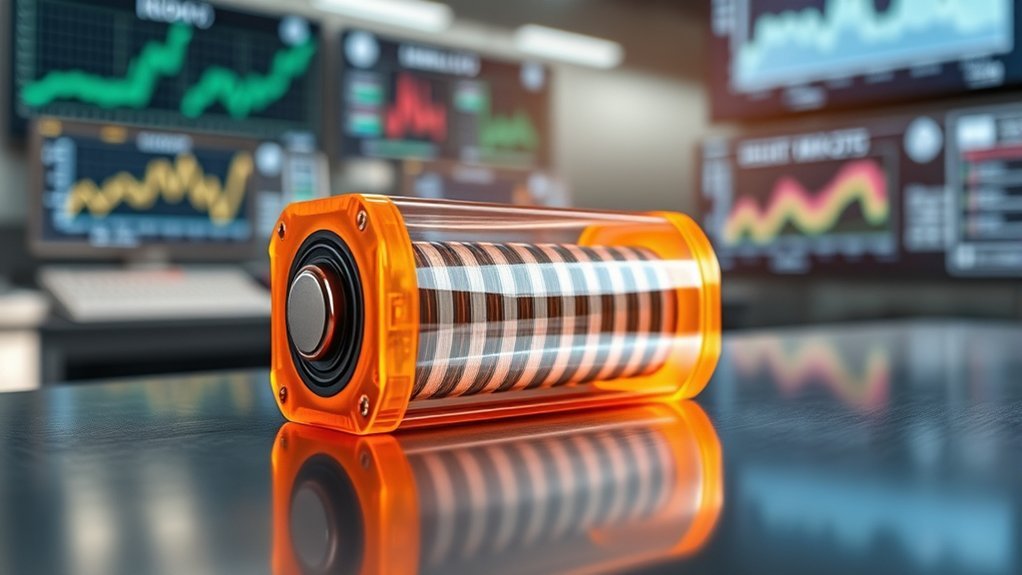
We find that LiFePO4 batteries offer considerably longer lifespans and improved durability compared to traditional lithium-ion options, making them more cost-effective over time. Their enhanced safety features, including stable chemical composition and reduced risk of thermal runaway, further reduce operational hazards. These advantages collectively contribute to their growing appeal in critical energy storage applications.
Longer Lifespan and Durability
LiFePO4 batteries are renowned for their extended lifespan and exceptional durability, primarily due to their stable chemical composition and robust internal structure. This stability allows them to sustain over 2,000 charge cycles with minimal capacity loss, considerably outlasting traditional lithium-ion batteries. Their durability reduces the frequency of replacements, thereby decreasing waste and simplifying battery recycling efforts. This longevity translates into a lower environmental impact, as fewer batteries need disposal over time. Additionally, the inherent stability minimizes degradation-related risks, enhancing overall reliability. The combination of long cycle life and durability makes LiFePO4 batteries an environmentally sustainable choice, as their sustained performance reduces resource consumption and waste generation, aligning with global aims for eco-friendly energy storage solutions.
Enhanced Safety Features
The inherent chemical stability of LiFePO4 batteries provides a significant safety advantage over other lithium-ion chemistries, reducing thermal runaway risks. Their robust thermal stability minimizes the likelihood of fires or explosions, even under physical damage or overcharge conditions. Additionally, safer manufacturing processes and eco-friendly battery recycling methods enhance overall safety.
| Feature | Benefit |
|---|---|
| Chemical stability | Prevents thermal runaway, enhances safety |
| Manufacturing processes | Reduce defect risks, improve reliability |
| Battery recycling | Safer disposal, minimizes environmental hazards |
| Structural integrity | Resists damage, prevents leaks or short circuits |
Are There Any Drawbacks or Limitations to Using LiFePO4 Batteries?
Although LiFePO4 batteries offer numerous advantages, they do have certain limitations that warrant consideration. One significant concern is their environmental impact, particularly related to mining and manufacturing processes that involve lithium and other materials. These processes can generate waste and pose ecological risks if not properly managed. Additionally, manufacturing challenges exist, such as ensuring consistent quality and scalability, which can impact cost and availability. While LiFePO4 batteries are more environmentally friendly than some alternatives, their lifecycle management still requires attention to reduce ecological footprint. furthermore, their lower energy density compared to other lithium-ion chemistries can limit applications where space and weight are critical factors. These limitations highlight the importance of ongoing research to optimize manufacturing and minimize environmental impacts.
Which Applications Benefit Most From Lifepo4 Technology?
Certain applications gain significant advantages from adopting LiFePO4 technology due to its unique combination of safety, longevity, and stable performance. In renewable energy systems, LiFePO4 batteries provide reliable, long-term energy storage essential for grid stability and off-grid solutions. Their thermal stability minimizes safety risks, making them ideal for large-scale installations. Portable devices also benefit from LiFePO4’s high energy density and cycle life, enabling extended use without frequent replacements. Additionally, their consistent voltage output supports sensitive electronics, enhancing device performance. Overall, LiFePO4 batteries excel in applications demanding durability, safety, and consistent power output, especially within renewable energy infrastructures and portable device markets where reliability and long-term cost efficiency are critical.
How Do Cost, Lifespan, and Safety Compare in LiFePO4 Batteries?
When comparing LiFePO4 batteries, we find that their cost efficiency over time often surpasses other chemistries due to lower maintenance and longer operational life. Their durability contributes to a reduced total cost of ownership, while safety features—such as thermal stability—minimize risk of thermal runaway. Analyzing these factors helps determine whether LiFePO4 batteries offer a superior balance of affordability, longevity, and safety.
Cost Efficiency Over Time
LiFePO4 batteries stand out for their favorable cost efficiency over time, primarily due to their extended lifespan and enhanced safety features. Although initial costs are higher, their durability—often exceeding 2000 cycles—reduces replacement frequency, lowering long-term expenses. Additionally, their stable chemistry enhances safety and minimizes risks, decreasing potential costs from accidents. Environmental impact is also favorable, as better battery recycling processes and longer lifespan reduce waste and disposal costs. The table below compares key factors:
| Factor | LiFePO4 Battery | Traditional Lithium-ion |
|---|---|---|
| Cost | Higher upfront, lower long-term | Lower initial, higher replacement |
| Lifespan | Over 2000 cycles, longer life | Around 500-1000 cycles |
| Safety | Superior thermal stability | Higher risk of thermal runaway |
| Environmental impact | Reduced waste, better recycling | Greater waste, less recyclable |
This analysis underscores LiFePO4’s cost efficiency benefits over time.
Long-Term Durability
Long-term durability of LiFePO4 batteries hinges on their cost structure, lifespan, and safety profile, making them a compelling choice for extended use. Although they have a lower energy density compared to other chemistries, their stable chemistry results in a longer cycle life—often exceeding 2,000 cycles—thus reducing replacement costs over time. Their inherent safety minimizes risks of thermal runaway, supporting reliable long-term operation. Additionally, recycling processes for LiFePO4 batteries are well-established, facilitating environmentally responsible disposal and material recovery. While initial costs may be higher, their durability and recyclability contribute to lower total ownership costs. Overall, LiFePO4 batteries demonstrate superior long-term durability through consistent performance, safety, and sustainable lifecycle management.
Safety Features and Risks
Although the initial investment for LiFePO4 batteries tends to be higher, their safety features markedly reduce risks and enhance reliability. These batteries are inherently thermally stable, minimizing the chance of thermal runaway. Their chemical composition produces fewer toxic emissions, easing concerns about environmental impact and battery recycling. Key safety advantages include:
- Low risk of fire or explosion due to stable cathode chemistry
- Resistance to overcharging and deep discharging, preserving battery integrity
- Reduced toxicity and safer disposal processes, supporting environmentally responsible battery recycling
While the higher upfront cost reflects advanced safety mechanisms, these features decrease the likelihood of catastrophic failures, ensuring safer operation over their lifespan. This balance between safety, lifespan, and environmental considerations makes LiFePO4 batteries a compelling choice for sustainable energy storage.
How Do You Decide If LiFePO4 Is the Right Choice for You?
How can you determine if LiFePO4 batteries are the most suitable choice for your specific application? We analyze their long-term cost-effectiveness, considering durability and cycle life, which influence overall value. Environmental impact is also critical; LiFePO4 batteries offer advantages here due to safer chemistry, reducing fire risks and toxic emissions. Additionally, their compatibility with battery recycling processes minimizes waste and supports sustainability. Evaluating your energy needs against these factors helps clarify if LiFePO4 batteries align with your goals. Although initial costs may be higher, their longevity and lower environmental footprint can lead to reduced lifecycle costs. Ultimately, examining environmental considerations alongside technical performance guides informed decision-making about whether LiFePO4 batteries are right for your application.
What Are Future Trends and Innovations in LiFePO4 Battery Technology?
Advancements in LiFePO4 battery technology are shaping the future landscape of energy storage, driven by ongoing research and development efforts aiming to enhance performance, safety, and sustainability. Future trends focus on improving battery longevity, increasing energy density, and reducing environmental impact through innovative materials and manufacturing processes. Particularly, advancements in battery recycling techniques will be critical for minimizing waste and recovering valuable materials, thereby supporting circular economy models. Additionally, researchers are exploring solid-state electrolytes to improve safety and stability. These innovations aim to lower the overall environmental footprint of LiFePO4 batteries, making them more sustainable options for large-scale applications. The integration of smart management systems will further optimize performance and lifespan, aligning technological progress with environmental and economic considerations.
Frequently Asked Questions
How Environmentally Friendly Are Lifepo4 Batteries Compared to Other Types?
Lifepo4 batteries are more eco-friendly due to their use of eco-conscious materials and longer lifespan, which reduces waste. However, recycling challenges remain, requiring advanced processes to mitigate environmental impact compared to other battery types.
Can Lifepo4 Batteries Be Recycled Easily?
We find LiFePO4 batteries recyclable through established processes, but their battery lifespan impacts recycling efficiency. Advanced recycling methods improve the recovery of valuable materials, making LiFePO4 batteries more sustainable despite current technical and logistical challenges.
What Maintenance Is Required for Lifepo4 Batteries?
Lifepo4 batteries require minimal maintenance; their lifespan exceeds 2000 cycles. Proper charging procedures prevent capacity loss, so we guarantee safe, efficient operation by monitoring voltage levels, avoiding overcharging, and maintaining balanced cells regularly.
Are Lifepo4 Batteries Compatible With Existing Battery Systems?
We find LiFePO4 batteries generally compatible with existing systems, offering a longer battery lifespan and favorable cost comparison, but verifying voltage and capacity specifications is essential for seamless integration, ensuring maximum performance and system safety.
How Do Temperature Variations Affect Lifepo4 Battery Performance?
Temperature variations impact LiFePO4 batteries’ performance due to thermal stability concerns; effective temperature regulation guarantees consistent output, prevents overheating, and prolongs lifespan, making these batteries reliable across diverse operating environments with controlled thermal management systems.
Conclusion
In summary, choosing LiFePO4 batteries is a strategic move for those prioritizing safety, longevity, and environmental sustainability. While they may have higher upfront costs and lower energy density, their stability and extended lifespan often outweigh these concerns. Ultimately, evaluating your specific needs and future goals will help you decide if they’re the right fit. Remember, it’s better to be safe than sorry when it comes to energy storage—invest wisely for long-term gains.