Understanding the fundamentals of LiFePO₄ battery cells involves examining their composition, operation, and advantages, which are critical for evaluating their performance and applications. We focus on the stable cathode material, the movement of lithium ions during charge cycles, and the key factors that influence their longevity and safety. As we explore these aspects, it becomes clear why LiFePO₄ batteries are gaining prominence in energy storage. The details that follow reveal both their potential and limitations.
Key Takeaways
- LiFePO₄ batteries use lithium iron phosphate as the cathode, offering high safety, stability, and long cycle life.
- They have a stable crystal structure that ensures reliable energy storage and consistent performance over many charge cycles.
- These batteries are environmentally friendly, non-toxic, and recyclable, making them suitable for sustainable applications.
- Commonly used in solar energy storage, electric vehicles, and portable devices due to their safety and low maintenance needs.
- Despite lower energy density compared to other chemistries, ongoing research aims to improve their capacity and charging efficiency.
What Are LiFePO4 Battery Cells and How Do They Work?
LiFePO4 battery cells, also known as lithium iron phosphate batteries, are a specific type of lithium-ion battery distinguished by their cathode chemistry. Their electrochemical principles involve the movement of lithium ions between the anode and cathode during charge and discharge cycles. The material composition features a cathode made of lithium iron phosphate (LiFePO₄), combined with a carbon-based anode—typically graphite. This composition offers enhanced thermal stability and safety compared to other lithium-ion chemistries. The phosphate-based cathode provides a stable crystal structure, which contributes to long cycle life and consistent performance. The electrochemical reactions are characterized by low polarization and high reversibility, enabling reliable energy storage and release. These core principles underpin the operational stability and safety profile of LiFePO₄ cells.
Key Advantages of Using LiFePO4 Batteries
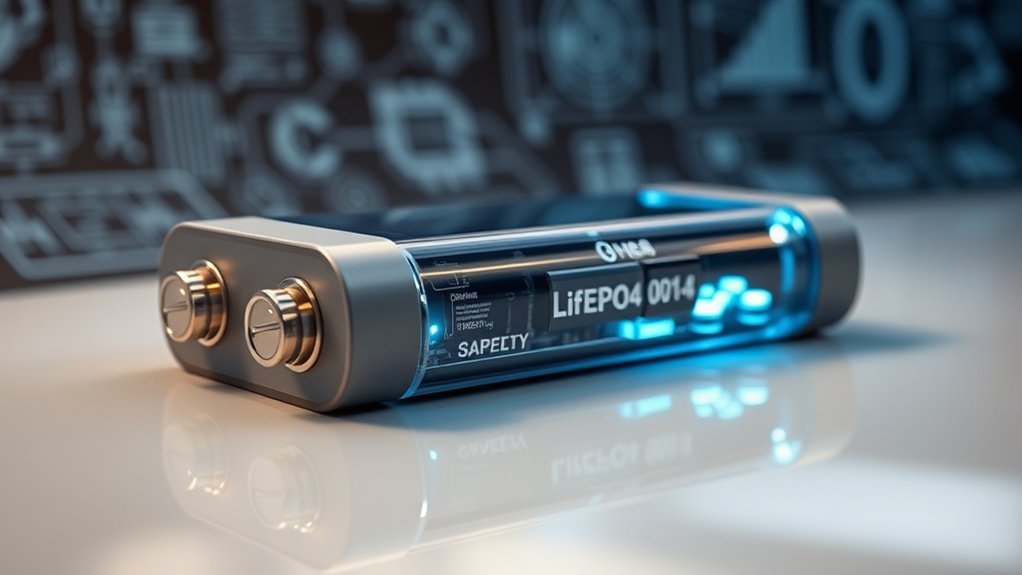
One of the primary reasons to choose LiFePO₄ batteries is their exceptional safety profile, which stems from their stable electrochemical composition. This stability reduces the risk of thermal runaway and enhances reliability. Additionally, LiFePO₄ batteries offer notable environmental benefits:
- Long Cycle Life: Their extended lifespan minimizes waste and supports sustainable battery recycling, reducing environmental impact.
- Thermal Stability: Less prone to overheating, decreasing the risk of hazardous failures and lowering disposal concerns.
- Eco-Friendly Materials: Composed of non-toxic, abundant elements, LiFePO₄ batteries are more environmentally sustainable during manufacturing and end-of-life recycling.
These advantages make LiFePO₄ batteries a safer, more sustainable choice, aligning with environmental and safety standards.
How Are LiFePO4 Cells Manufactured and Assembled?

Manufacturing and assembling LiFePO₄ cells involves a series of precise, controlled processes designed to guarantee safety, performance, and longevity. The manufacturing processes begin with the synthesis of cathode and anode materials, where high-purity lithium iron phosphate is combined with binders and conductive additives. These materials are coated onto aluminum and copper foils, respectively, forming electrode sheets. During assembly, these electrodes are stacked or rolled with separators, then inserted into a rigid cell casing. Advanced assembly techniques ensure tight sealing and proper electrolyte filling, which is critical for stability and safety. Quality control measures monitor parameters like electrode integrity and electrolyte distribution. This meticulous combination of manufacturing processes and assembly techniques results in reliable, durable LiFePO₄ cells suited for diverse applications.
Comparing LiFePO4 Batteries to Other Lithium-Ion Technologies
When comparing LiFePO4 batteries to other lithium-ion chemistries, safety and stability are primary advantages, with LiFePO4 offering superior thermal stability and reduced risk of thermal runaway. Regarding performance and longevity, LiFePO4 cells typically exhibit longer cycle life and more consistent discharge characteristics. Analyzing these factors helps determine their suitability for demanding applications and overall reliability.
Safety and Stability
LiFePO4 batteries are inherently safer and more stable than many other lithium-ion chemistries due to their robust chemical structure and thermal properties. This stability diminishes the risk of thermal runaway, even under stress. Their superior thermal management minimizes overheating, enhancing safety during high-demand cycles. Additionally, LiFePO4 cells support established recycling protocols, which mitigate environmental impact and reduce hazards associated with disposal.
Key safety features include:
- Resistance to overcharging and deep discharge, preventing capacity loss and thermal instability.
- Lower propensity for thermal runaway, even in abuse conditions.
- Compatibility with recycling processes that ensure safe disposal and material recovery.
These factors collectively make LiFePO4 batteries a more reliable and secure energy solution.
Performance and Longevity
The performance and longevity of LiFePO4 batteries are notable advantages that set them apart from other lithium-ion chemistries. They exhibit a higher cycle life, often exceeding 2000 cycles, compared to lithium cobalt oxide batteries. This durability translates into longer service life and reduced replacement frequency. Additionally, LiFePO4’s stable chemistry minimizes capacity fade over time, maintaining consistent performance. Their design also facilitates easier battery recycling, supporting sustainable practices and reducing environmental impact. Unlike other lithium-ion types, they generate less thermal runaway risk, enhancing safety and stability. These factors contribute to a lower overall environmental footprint, as fewer batteries need disposal and recycling is more straightforward. Consequently, LiFePO4 batteries provide a compelling combination of reliable performance and eco-friendly longevity.
Important Factors to Consider When Choosing a LiFePO4 Battery
Selecting the right LiFePO4 battery requires careful evaluation of several key factors that directly impact performance, safety, and longevity. Critical considerations include:
- Thermal management: Proper heat regulation prevents overheating, enhances efficiency, and extends lifespan, especially in high-demand applications.
- Battery recycling: Choose batteries with environmentally responsible recycling options, ensuring sustainability and compliance with disposal regulations.
- Capacity and cycle life: Assess the battery’s rated capacity and cycle life to match your energy needs and usage patterns, reducing replacement frequency and costs.
Focusing on these factors guarantees ideal safety, environmental responsibility, and long-term reliability of your LiFePO4 battery system, aligning with technical standards and sustainable practices.
How to Properly Maintain and Extend the Lifespan of LiFePO4 Cells
Maintaining ideal operating conditions is essential for maximizing the lifespan of LiFePO4 cells, as improper handling can lead to capacity degradation and safety risks. Proper temperature management minimizes thermal stress, preventing capacity loss and potential safety hazards. Regular monitoring of voltage and state of charge ensures cells stay within best ranges, reducing strain. Additionally, responsible battery recycling prevents environmental impact and preserves material quality.
| Maintenance Practice | Impact |
|---|---|
| Temperature regulation | Extends cycle life, prevents overheating |
| Battery recycling | Ensures sustainability, reduces environmental harm |
| Voltage management | Prevents over-discharge, maintains capacity |
| Proper storage | Avoids capacity fade during inactivity |
Common Applications and Use Cases for LiFePO4 Batteries
LiFePO4 batteries are widely used in solar power storage systems due to their high cycle life and safety profile, making them ideal for sustainable energy solutions. They also serve as a reliable power source in electric vehicle applications, offering consistent performance and long-term durability. Understanding these use cases highlights the critical role of LiFePO4 technology in advancing energy efficiency and transportation.
Solar Power Storage
Because of their high energy density and superior thermal stability, LiFePO4 batteries have become a preferred choice for solar power storage systems. Their reliable performance enhances grid independence and supports renewable energy integration. Additionally, their longer lifespan reduces the frequency of replacements, positively impacting battery recycling efforts and minimizing environmental impact.
Key applications include:
- Off-grid solar systems, where durability guarantees consistent energy supply in remote locations.
- Residential solar setups, offering efficient storage with reduced maintenance costs.
- Commercial and industrial installations, providing scalable solutions with improved safety and recyclability.
The environmental benefits of LiFePO4 batteries stem from their inherent stability and recyclability, which lower the ecological footprint compared to other chemistries. This makes them a sustainable choice for large-scale solar energy storage.
Electric Vehicle Applications
How do LiFePO4 batteries optimize performance in electric vehicle applications? They excel through superior thermal stability and safety, enabling reliable operation over numerous charge cycles. Effective battery management systems (BMS) are vital, maintaining ideal voltage and current to prevent overcharging and prolong lifespan. LiFePO4’s stable chemistry allows for higher cycle counts compared to other chemistries, often exceeding 2000 cycles with minimal capacity loss. This longevity reduces replacement costs and enhances vehicle efficiency. Additionally, their consistent discharge profile supports predictable power delivery, essential for EV performance. By integrating advanced BMS and leveraging high cycle durability, LiFePO4 batteries deliver a combination of safety, longevity, and dependable energy output tailored for electric vehicle demands.
Challenges and Limitations of LiFePO4 Battery Cells
While LiFePO4 battery cells offer notable advantages, they also present several inherent challenges that limit their broader application. One key issue is their relatively lower energy density compared to other chemistries, which restricts use in space-constrained applications. Additionally, environmental impact concerns arise from the manufacturing process and end-of-life disposal, especially due to recycling challenges associated with lithium-ion batteries. These challenges include:
- Recycling challenges due to complex material recovery processes and limited recycling infrastructure.
- Thermal stability issues at high charge rates, which can compromise safety.
- Environmental impact stemming from resource extraction and disposal difficulties, impacting sustainability efforts.
Addressing these limitations is critical for expanding LiFePO4’s role in sustainable energy systems.
Future Trends and Innovations in LiFePO4 Battery Technology
Advancements in materials science and manufacturing techniques are driving significant innovations in LiFePO4 battery technology, promising to overcome existing limitations and expand their application scope. Emerging research focuses on enhancing energy density and charging efficiency, essential for renewable integration in grid systems and electric vehicles. Innovations in electrode materials and cell design aim to improve cycle life and thermal stability, supporting sustainable deployment. Additionally, developments in battery recycling processes are critical for environmental stewardship, enabling efficient recovery of lithium, iron, and phosphate components. These efforts not only reduce ecological impact but also guarantee resource circularity. As these innovations mature, LiFePO4 batteries will become increasingly indispensable for large-scale renewable energy storage, offering safer, more durable solutions aligned with the goals of sustainability and technological advancement.
Frequently Asked Questions
What Is the Typical Lifespan of a Lifepo4 Battery?
We find that Lifepo4 batteries typically last 8-10 years with proper battery maintenance and adherence to correct charging protocols, which minimize capacity loss and extend cycle life, making them a reliable choice for long-term energy storage.
Are Lifepo4 Batteries Safe for Residential Energy Storage?
We believe LiFePO4 batteries are safe for residential energy storage due to their stable battery chemistry and inherent thermal stability. Following strict safety protocols minimizes risks, making them a reliable, secure choice for home energy systems.
How Do Temperature Variations Affect Lifepo4 Performance?
Temperature variations impact Lifepo4 battery performance, so effective thermal management guarantees temperature stability, preventing capacity loss and degradation. We analyze how maintaining ideal temperature ranges enhances longevity and safety, maximizing overall energy storage system efficiency.
Can Lifepo4 Cells Be Recycled Easily?
Recycling Lifepo4 cells is feasible, yet complex—like unraveling a tangled web—due to specialized recycling processes. Properly done, it minimizes environmental impact, recovering valuable materials and reducing waste, making it an essential step toward sustainable energy storage.
What Are the Cost Differences Between Lifepo4 and Other Lithium Batteries?
We find that Lifepo4 batteries generally have a higher initial cost compared to other lithium batteries, due to material quality and safety features, but their market availability and longer lifespan often result in better long-term cost savings.
Conclusion
In conclusion, LiFePO₄ battery cells offer safety, longevity, and environmental benefits that make them a compelling choice. They deliver reliable performance, withstand demanding cycles, and adapt to diverse applications. As technology advances, their energy density, cost-effectiveness, and integration continue to improve. Adopting these innovations ensures we harness their full potential—enhancing efficiency, promoting sustainability, and driving progress in energy storage solutions for a better future.