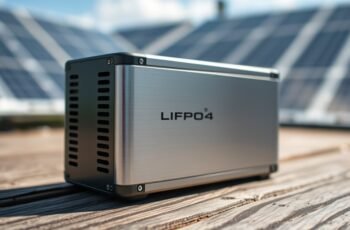
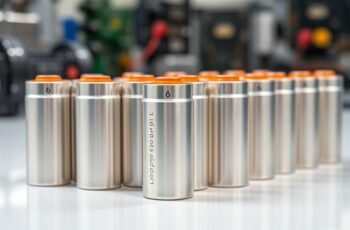
Imagine a small off-grid cabin owner who invested in LiFePO4 batteries expecting long-term savings, only to find their weight hampers portability and the larger size restricts space. These practical concerns highlight why, despite their benefits, LiFePO4 batteries might not be suitable for everyone. From high upfront costs to compatibility issues, several factors could outweigh their advantages—factors that we’ll need to examine closely before making a decision.
Key Takeaways
- Higher initial cost due to stable chemistry may not be justified for short-term or budget-constrained applications.
- Increased weight and size limit portability and suitability for compact or mobile setups.
- Compatibility issues with existing charging systems can lead to improper charging and potential damage.
- Limited high-temperature resilience increases safety risks and reduces performance in hot environments.
- Environmental concerns exist over raw material extraction, manufacturing waste, and recycling challenges.
Understanding the Cost of LiFePO4 Batteries and Budget Considerations
Although LiFePO4 batteries offer numerous advantages, their upfront cost remains a significant consideration for many consumers. The higher price point largely stems from their specific battery chemistry, which involves stable and safe lithium iron phosphate compounds, making them more expensive to produce than traditional lead-acid batteries. This cost is compounded by compatibility issues with existing charging systems; many chargers designed for other lithium-ion chemistries may not support LiFePO4 batteries without modifications. Ensuring proper charging compatibility is essential to maximize lifespan and safety, but it can add to initial expenses. Consequently, while the long-term benefits may justify the investment, the initial purchase cost can pose a barrier, especially for budget-conscious buyers evaluating short-term affordability against long-term savings.
Why Heavier Weight Might Be a Drawback for Portable Use

The increased weight of LiFePO4 batteries can substantially hinder their practicality for portable applications. Heavier batteries directly affect portable weight, which is essential for users prioritizing mobility. When batteries add significant mass, carrying them becomes more cumbersome, reducing overall convenience. This weight impact limits how easily they can be integrated into portable devices, camping gear, or emergency kits. The added bulk can also cause strain during prolonged use, discouraging frequent or extended deployment. For those needing lightweight solutions, the extra weight of LiFePO4 batteries may outweigh their benefits, especially when portability is a primary concern. Ultimately, the heavier weight compromises mobility, making these batteries less suitable for users who rely on ease of transport and quick deployment.
Limitations in High-Temperature Performance and Safety Risks

LiFePO4 batteries exhibit notable limitations when exposed to high temperatures, which can considerably compromise their safety and performance. Their limited high temperature resilience means that prolonged exposure to elevated heat can accelerate degradation of internal components, reducing battery lifespan and efficiency. More critically, safety considerations come into play, as excessive heat increases the risk of thermal runaway, potentially leading to fires or explosions. Unlike some other chemistries, Lifepo4’s thermal stability is not unlimited, and its safety margin narrows at higher temperatures. This vulnerability necessitates careful thermal management and temperature monitoring during operation, especially in hot environments. Consequently, these limitations restrict their suitability for applications where high-temperature exposure is unavoidable or poorly controlled.
Compatibility Challenges With Existing Charging Systems
Compatibility issues between LiFePO4 batteries and existing charging systems often pose practical challenges for users. These challenges stem from charging incompatibilities and voltage mismatches that can lead to undercharging, overcharging, or damage. Traditional chargers designed for lead-acid batteries may not recognize LiFePO4’s unique charging profile, requiring adjustments or new equipment.
| Issue | Consequence |
|---|---|
| Charging incompatibilities | Damage to battery or reduced lifespan |
| Voltage mismatches | Improper charging, potential safety risks |
| Lack of compatible chargers | Increased costs and setup complexity |
These issues highlight the need for specialized chargers compatible with LiFePO4’s specific voltage and charging curves, complicating integration into existing systems.
Potential Environmental Concerns in Manufacturing and Recycling
Although lithium iron phosphate (LiFePO4) batteries are often promoted for their safety and performance advantages, concerns about their environmental impact throughout manufacturing and recycling processes warrant careful consideration. Eco friendly manufacturing practices are not always consistent, as the production of LiFePO4 batteries involves extracting and processing raw materials, which can generate significant waste and energy consumption. Additionally, recycling challenges pose hurdles; while the batteries are less toxic than other chemistries, efficient recycling methods are still developing. Current recycling technologies often struggle to fully recover valuable materials, leading to potential environmental contamination if improperly disposed of. These issues highlight that, despite their reputation, LiFePO4 batteries are not entirely free from environmental concerns, especially when considering lifecycle management and end-of-life handling.
Assessing the Availability and Supply Chain Stability of LiFePO4 Batteries
While LiFePO4 batteries are increasingly favored for their safety and longevity, concerns about their availability and supply chain stability remain significant. The supply chain faces ongoing disruptions due to geopolitical tensions, raw material shortages, and transportation challenges, all of which impact production continuity. Manufacturing delays are common, often caused by shortages of critical components like lithium and phosphate materials or restrictions on mining and processing. These delays can create bottlenecks, making it difficult to meet demand consistently. Additionally, limited sourcing options and reliance on specific regions heighten vulnerability to regional instability. For consumers and manufacturers alike, this means potential delays in procurement and higher costs, underscoring the importance of evaluating the stability of the supply chain before investing in LiFePO4 batteries.
Understanding the Limited Range of Sizes and Capacities
LiFePO4 batteries are often marketed as versatile energy storage solutions, but their range of sizes and capacities remains quite limited compared to other chemistries. This restriction impacts battery longevity and manufacturing complexity, as producing a wide variety of sizes involves significant technical challenges. The limited options mean users often must compromise on capacity, leading to inefficiencies in specific applications. Below is a table illustrating typical size and capacity ranges:
| Size | Capacity Range (Ah) |
|---|---|
| Small (e.g., portable) | 10–50 Ah |
| Medium (e.g., RVs) | 100–200 Ah |
| Large (e.g., grid) | 300–500 Ah |
| Custom (limited) | Up to 1000 Ah |
This constrained diversity hampers scalability and flexibility for specialized uses.
Evaluating the Long-Term Cost Savings Versus Upfront Investment
Evaluating the long-term cost savings of LiFePO4 batteries requires a careful comparison of their higher initial investment against their extended lifespan and performance advantages. These batteries offer superior cycle life, reducing replacement frequency, and generally maintain stable performance, which can lower operational costs over time. However, their energy density is lower compared to other chemistries, meaning larger or more batteries might be needed for the same capacity, potentially increasing upfront costs. Additionally, recycling challenges pose environmental and economic concerns that could influence long-term sustainability costs. While the durability and performance benefits can justify the investment, these factors highlight the importance of considering whether the initial expenditure aligns with projected savings, especially when analyzing the full lifecycle of the batteries.
Is a LiFePO4 Battery the Right Choice for Your Specific Application?
We need to take into account whether a LiFePO4 battery fits our device compatibility, as some electronics may require specific voltage or connector types. Weight and size also matter, especially if space or portability is limited, since LiFePO4 cells tend to be bulkier than alternatives. Finally, we should assess if the long-term cost benefits justify the initial expense, given the application’s specific power needs and budget constraints.
Compatibility With Devices
How well a LiFePO4 battery fits your specific device depends on several technical factors that must be carefully considered. Compatibility hinges on voltage requirements, current draw, and the device’s tolerance for power fluctuations. While LiFePO4 batteries excel in device durability and maintaining consistent power efficiency, they may not match all devices’ operational parameters. For example, high-drain equipment might demand a different battery chemistry or configuration.
| Factor | Compatibility Consideration | Impact on Device |
|---|---|---|
| Voltage Range | Must match device specs | Ensures proper operation |
| Discharge Rate | Sufficient current supply | Prevents power dips |
| Voltage Stability | Maintains steady power output | Protects device integrity |
| Capacity | Adequate runtime | Avoids premature shutdown |
Weight and Size Concerns
Although LiFePO4 batteries are known for their high energy density relative to their size, their weight and physical dimensions can still pose significant considerations for certain applications. The portable weight of these batteries, while relatively manageable in many cases, can become a limiting factor for portable devices or systems requiring minimal weight. Size limitations also come into play, as LiFePO4 cells tend to be bulkier compared to alternative chemistries like lithium-ion, especially at higher capacities. This increased size can restrict their use in compact spaces or sleek designs. For applications prioritizing lightweight, space-efficient solutions, these weight and size concerns might outweigh the benefits, making LiFePO4 batteries less suitable. Careful assessment of device specifications and application constraints is essential before considering them as a power source.
Cost Effectiveness Factors
While the physical size and weight of LiFePO4 batteries can limit their suitability for compact or portable applications, evaluating their cost-effectiveness is equally important when determining if they’re the right choice for your specific use case. Factors such as battery chemistry and energy density influence overall value.
- Initial Cost: LiFePO4 batteries typically have higher upfront prices compared to lead-acid, but longer lifespan can offset this.
- Cycle Life: Their extensive cycle life reduces replacement frequency, saving long-term costs.
- Energy Density: Although their energy density is lower than other lithium-ion chemistries, it can affect the battery’s size-to-capacity ratio and total cost.
- Operational Savings: Reduced maintenance and improved efficiency contribute to overall cost-effectiveness over time.
Frequently Asked Questions
Are There Any Health Risks Associated With Handling Lifepo4 Batteries?
We believe there are minimal health concerns when handling Lifepo4 batteries if safety precautions are followed. Proper ventilation, gloves, and eye protection mitigate risks, emphasizing the importance of understanding safety measures rather than avoiding these batteries altogether.
How Do Lifepo4 Batteries Perform in Extremely Cold Climates?
Lifepo4 batteries’ performance in cold weather is limited; their capacity and efficiency decline, reducing battery lifespan. We recommend pre-warming or insulation strategies to maintain ideal operation and prolong battery life in extremely cold climates.
Do Lifepo4 Batteries Emit Any Harmful Gases During Operation or Failure?
Like a sealed vault, LiFePO4 batteries emit no harmful gases during operation or failure. Their minimal battery odor and absence of gas emissions make them a safe, environmentally friendly choice, ensuring clean energy without toxic byproducts.
What Are the Recycling Options and Environmental Impacts After Disposal?
We recognize that battery recycling is vital for addressing environmental concerns; LiFePO4 batteries are recyclable, reducing waste. Proper disposal minimizes ecological impact, emphasizing the importance of dedicated recycling programs to prevent harmful environmental effects and promote sustainability.
Are There Any Legal or Regulatory Restrictions on Using Lifepo4 Batteries?
We find that legal and regulatory restrictions on LiFePO4 batteries vary by region, often influenced by battery lifespan and cost considerations. Regulations aim to guarantee safe disposal, but understanding local laws helps us avoid compliance issues and optimize usage.
Conclusion
Just as a seasoned sailor carefully chooses their vessel based on voyage demands, we must scrutinize LiFePO4 batteries before setting sail. Their advantages are clear, but their limitations—cost, weight, and environmental concerns—are akin to hidden reefs beneath calm waters. By thoroughly analyzing these factors, we guarantee our decision aligns with our journey’s needs. Only then can we navigate the power landscape with confidence, avoiding pitfalls and charting a course toward ideal energy solutions.