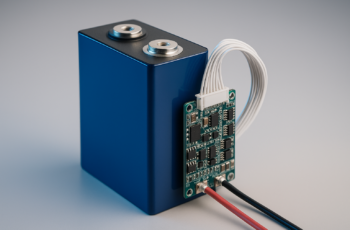
LiFePO4 batteries are often hailed as the ultimate solution, but their true strengths and weaknesses reveal a more nuanced picture. While they excel in safety and longevity, their lower energy density and temperature sensitivities pose significant challenges. Understanding these trade-offs is essential for making informed decisions about their suitability for various applications. As we explore their capabilities, you’ll see why a balanced perspective is critical to leveraging their benefits effectively.
Key Takeaways
- Strength in safety and thermal stability due to stable crystal structure, reducing fire risk and ensuring safer operation.
- Long cycle life of 2,000 to 5,000 cycles, offering durability and reduced replacement costs over time.
- Lower energy density limits high-demand power applications compared to other lithium-ion chemistries.
- Environmental benefits include non-toxic materials, recyclability, and longer lifespan, reducing ecological impact.
- Cost-effectiveness stemming from simpler manufacturing processes and growing supply, making them more accessible.
What Are LiFePO4 Batteries and How Do They Work?
LiFePO4 batteries are a specific type of lithium-ion battery distinguished by their cathode material, lithium iron phosphate (LiFePO4). They operate through a lithium-ion transfer between the anode and cathode during charging and discharging cycles. Their structure offers notable advantages in safety and longevity. However, their energy density, while adequate for many applications, is lower compared to other lithium-ion chemistries, impacting overall capacity. This influences how efficiently they store and deliver power, especially in high-demand scenarios. Additionally, LiFePO4’s stability makes battery recycling more straightforward, promoting sustainable use. The combination of thermal stability, long cycle life, and moderate energy density positions LiFePO4 batteries as a balanced choice for applications requiring durability and safety, despite some limitations in energy storage efficiency.
The Main Safety Advantages of LiFePO4 Batteries
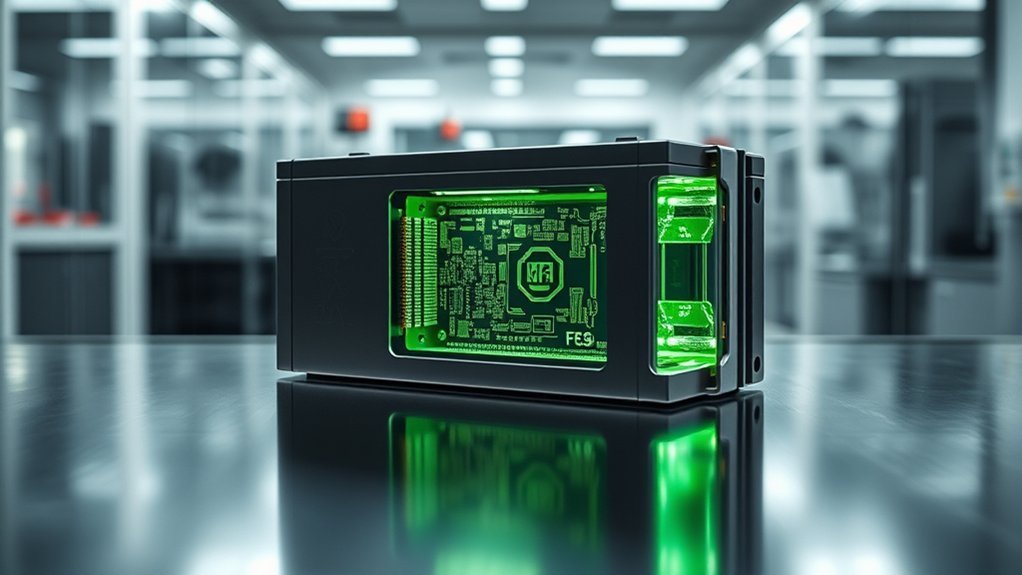
Because of their inherent chemical stability, LiFePO4 batteries offer significant safety advantages over other lithium-ion chemistries. Their robust chemical structure reduces the risk of thermal runaway and fires, making them inherently safer. This stability also simplifies battery recycling, as fewer hazardous materials are involved. The table below highlights key safety features:
| Feature | Benefit |
|---|---|
| Chemical stability | Prevents thermal runaway and fires |
| Non-toxic composition | Safer disposal and recycling |
| Low decomposition risk | Enhances long-term safety |
This stability minimizes safety concerns during operation and disposal, ensuring safer handling and environmental impact. The secure chemical makeup of LiFePO4 batteries underscores their role in safer energy storage solutions.
How Long Do LiFePO4 Batteries Typically Last?
LiFePO4 batteries generally offer a lifespan of around 2,000 to 5,000 charge cycles, translating to roughly 8 to 10 years under ideal conditions. Factors such as operating temperature, depth of discharge, and maintenance practices substantially influence their longevity. Proper management and regular upkeep are essential to maximize their service life and guarantee consistent performance.
Typical Lifespan Duration
The typical lifespan of a lithium iron phosphate (LiFePO4) battery is primarily determined by its cycle life and overall usage conditions. Generally, these batteries offer 2,000 to 5,000 charge-discharge cycles, translating to 8 to 15 years in energy storage applications. Proper management of charge cycles, temperature, and depth of discharge can considerably extend their longevity. Additionally, LiFePO4 batteries are highly recyclable, supporting sustainable battery recycling practices that can recover valuable materials at the end of their life. This durability makes them well-suited for long-term energy storage, reducing replacement frequency and waste. Consequently, their extended lifespan enhances economic viability for large-scale energy projects while aligning with environmental standards focused on responsible battery recycling.
Factors Influencing Longevity
What factors most considerably affect the lifespan of a lithium iron phosphate (LiFePO4) battery? Primarily, manufacturing processes influence initial quality, impacting cycle life and stability. Consistent quality control reduces defects that can accelerate degradation. Battery recycling practices also play a role; properly recycled cells maintain performance and prevent premature failure by removing contaminants and restoring materials. Additionally, design considerations such as electrode material stability and cell architecture determine durability over time. External factors like operating temperature and charge cycles are vital but are often dictated by manufacturing standards and recycling protocols. A focus on optimizing manufacturing processes and establishing effective battery recycling methods enhances longevity, ensuring more consistent performance and extended service life for LiFePO4 batteries.
Maintenance for Longevity
Maintaining ideal conditions and adhering to recommended usage practices can considerably extend the service life of LiFePO4 batteries. Proper maintenance involves following specific charging protocols to prevent overcharging and deep discharging, which accelerate capacity fade. Consistent, controlled charging minimizes stress on the cells, ensuring longevity. Additionally, responsible battery recycling at the end of its lifespan reduces environmental impact and supports sustainable disposal. Regular monitoring of voltage and temperature helps identify early signs of degradation, allowing timely intervention. By combining strict adherence to charging protocols with appropriate recycling practices, we can maximize the operational lifespan of LiFePO4 batteries, which typically ranges from 2,000 to 5,000 charge cycles, translating to 8-10 years of reliable service under ideal conditions.
Environmental Benefits of Choosing LiFePO4 Technology
Choosing LiFePO4 batteries offers significant environmental advantages, particularly in reducing toxic waste due to their stable chemistry and longer lifespan. Additionally, their materials are highly recyclable, minimizing resource depletion and waste management concerns. These factors contribute to a more sustainable energy storage solution with a lower environmental footprint.
Reduced Toxic Waste
Have you considered how LiFePO4 batteries contribute to reducing toxic waste in the environment? Their chemical stability minimizes hazardous byproducts during operation and disposal, lowering the environmental impact. Unlike other lithium-ion chemistries, LiFePO4’s non-toxic materials substantially reduce the generation of toxic waste. Additionally, their compatibility with safer recycling processes simplifies the recovery of materials, lessening the risk of environmental contamination.
- Safer chemical composition minimizes toxic waste during disposal
- Simplified recycling process reduces hazardous byproducts
- Longer lifespan decreases the frequency of disposal, cutting waste generation
Recyclable Material Use
The use of recyclable materials in LiFePO4 batteries considerably enhances their environmental profile by facilitating more sustainable lifecycle management. Their inherent material sustainability allows for efficient battery recycling processes, which recover valuable components and reduce waste. Unlike other chemistries, LiFePO4 batteries contain non-toxic, stable materials that simplify disposal and reuse. This feature supports a circular economy, minimizing the demand for virgin raw materials and decreasing environmental impact. Battery recycling is streamlined due to the stable chemistry, ensuring high recovery rates and reducing potential hazards. Overall, the emphasis on recyclable material use in LiFePO4 technology promotes environmental responsibility, lowers lifecycle emissions, and aligns with global sustainability goals—making them a more eco-conscious energy storage solution.
Common Limitations and Challenges of LiFePO4 Batteries
Despite their many advantages, LiFePO4 batteries present several limitations and challenges that can impact their practical application. Manufacturing challenges, such as achieving consistent electrode quality and scaling production processes, can hinder widespread adoption. Additionally, battery recycling remains complex; the materials require careful handling to prevent environmental harm and recover valuable components efficiently. Another notable challenge is the relatively lower energy density compared to other lithium-ion chemistries, which limits their use in space-constrained applications.
- Manufacturing challenges increase costs and affect uniformity.
- Recycling processes demand advanced techniques for material recovery.
- Lower energy density may restrict use in high-capacity, portable devices.
Addressing these issues is vital for optimizing LiFePO4 batteries’ performance and sustainability.
How Do LiFePO4 Batteries Perform in Extreme Temperatures?
LiFePO4 batteries exhibit notable stability across a range of temperatures, yet their performance can substantially decline under extreme thermal conditions. Their temperature resilience influences both capacity retention and cycle life, impacting overall performance consistency. At low temperatures, internal resistance increases, reducing efficiency and power output. Conversely, high temperatures accelerate degradation, risking safety and lifespan. To quantify these effects, consider the following:
| Temperature Range | Effect on Performance | Recommended Mitigation |
|---|---|---|
| Below 0°C | Reduced capacity, higher resistance | Use of thermal management systems |
| 0°C to 45°C | Ideal performance | Maintain within recommended range |
| Above 45°C | Accelerated aging, safety risks | Enhanced cooling and ventilation |
This data underscores the importance of maintaining appropriate operating temperatures for best performance consistency.
Comparing LiFePO4 Batteries to Other Lithium-Ion Options
When comparing LiFePO4 batteries to other lithium-ion chemistries, safety and thermal stability emerge as key differentiators, with LiFePO4 offering superior resistance to thermal runaway. Additionally, their lifespan and durability often surpass alternatives, impacting long-term performance and total cost of ownership. However, cost and availability remain critical factors, influencing adoption and application suitability across various industries.
Safety and Thermal Stability
How do LiFePO4 batteries compare to other lithium-ion chemistries regarding safety and thermal stability? LiFePO4’s battery chemistry inherently offers superior safety features and more stable thermal management. Its robust chemical structure reduces the risk of thermal runaway, a common concern with other lithium-ion chemistries like NMC or LCO. This stability stems from its lower energy density and more stable crystal lattice, which resist overheating and combustion. Proper thermal management is still essential but less critical for LiFePO4.
- *Chemical stability minimizes the risk of fire or explosion during abuse or damage*
- *Lower operating temperatures reduce the need for aggressive cooling systems*
- *Resilient battery chemistry enhances safety margins in demanding environments*
Lifespan and Durability
Compared to other lithium-ion chemistries like NMC or LCO, LiFePO4 batteries generally exhibit a longer lifespan and enhanced durability across diverse operating conditions. Their robust chemical stability reduces capacity fade over extensive charge cycles, often exceeding 2,000 cycles, unlike NMC or LCO chemistries. This durability is partly attributed to manufacturing processes that optimize electrode integrity and minimize degradation. Additionally, LiFePO4’s thermal stability lessens risks of thermal runaway, contributing to longevity. The recyclability of LiFePO4 batteries is also more straightforward due to simpler chemical compositions, supporting sustainable battery recycling efforts. These factors together make LiFePO4 batteries more resilient over time, reducing replacement frequency and supporting environmentally responsible lifecycle management.
Cost and Availability
Are LiFePO4 batteries more cost-effective and readily available than other lithium-ion chemistries like NMC or LCO? Generally, yes, due to lower manufacturing costs driven by simpler chemistries and more stable thermal profiles. The market demand for LiFePO4 is steadily increasing, particularly in stationary storage and electric vehicles, which improves supply chains and availability.
- Manufacturing costs are lower because LiFePO4 cells require less complex production processes.
- Market demand influences economies of scale, making LiFePO4 more accessible.
- Availability benefits from expanding global manufacturing facilities, reducing lead times and costs.
What Factors Affect the Cost of LiFePO4 Batteries?
The cost of LiFePO4 batteries is primarily influenced by a combination of material quality, manufacturing processes, and market factors. Variations in raw material purity and sourcing affect overall expenses, with higher-quality components increasing battery pricing. Manufacturing efficiencies, such as automation and scale, also impact costs, where larger production runs typically lower unit prices. Market demand and geopolitical factors further influence pricing fluctuations.
| Cost Factors | Impact on Battery Pricing |
|---|---|
| Raw Material Quality | Higher quality increases costs |
| Manufacturing Scale | Larger scale reduces per-unit cost |
| Market Dynamics | Fluctuations cause price volatility |
Understanding these factors helps us evaluate battery pricing more accurately and anticipate future market trends.
Is a LiFePO4 Battery Suitable for Your Specific Application?
Evaluating whether a LiFePO4 battery suits your specific application requires analyzing its performance characteristics in relation to your operational demands. Its moderate energy density makes it ideal for applications needing long cycle life and stability, but may limit use where compact, high-capacity solutions are essential. Consider factors like battery recycling options, which influence environmental impact and lifecycle management. Additionally, assess the battery’s ability to deliver sustained power output, especially in high-demand scenarios. Key considerations include:
- Compatibility with your energy storage capacity requirements
- Suitability for frequent charge/discharge cycles
- Environmental and regulatory factors affecting battery recycling
Tips for Maximizing the Lifespan of Your LiFePO4 Battery
To maximize the lifespan of your LiFePO4 battery, it’s essential to implement proper maintenance practices and enhance operating conditions. Maintaining ideal charge levels—avoiding deep discharges and overcharging—preserves energy density and prevents capacity fade. Regularly monitoring temperature ensures operation within recommended ranges, reducing thermal stress. Proper battery recycling minimizes environmental impact and prevents premature degradation from improper disposal. As LiFePO4 batteries inherently have high energy density, refining charge cycles enhances overall longevity and performance. Additionally, employing advanced battery management systems (BMS) helps balance cells, extend cycle life, and maintain consistent energy output. Ultimately, these measures ensure your battery remains efficient over time, maximizing value while supporting responsible recycling practices that uphold sustainability standards.
Frequently Asked Questions
Are Lifepo4 Batteries Suitable for High-Drain Devices?
Lifepo4 batteries are generally suitable for high-drain devices due to their high discharge rates and excellent power demand compatibility. We analyze their capabilities, noting they can handle rapid energy withdrawal, making them reliable for demanding, high-drain applications.
How Do Temperature Fluctuations Impact Lifepo4 Battery Performance?
We believe temperature fluctuations can impact Lifepo4 batteries by affecting their thermal stability and temperature resilience, potentially reducing performance or lifespan. Our analysis shows maintaining stable temperatures is essential for ideal operation and longevity of these batteries.
Can Lifepo4 Batteries Be Recycled Easily?
We believe Lifepo4 batteries can be recycled, but battery disposal presents recycling challenges due to their chemical composition. Efficient processes are developing, yet current methods require technical expertise, making widespread, easy recycling still a work in progress.
What Are the Charging Requirements for Optimal Lifepo4 Battery Lifespan?
Think of essential charging as the heartbeat of longevity; we recommend maintaining voltage below 3.65V, managing temperature carefully, and avoiding deep discharges. Proper battery recycling and temperature management are vital for maximizing Lifepo4 battery lifespan.
How Do Storage Conditions Affect Lifepo4 Battery Health Over Time?
We find that proper storage conditions considerably impact Lifepo4 battery shelf life and storage safety; maintaining moderate temperatures, avoiding over-discharge, and ensuring a dry environment minimizes capacity loss and degradation over time.
Conclusion
In summary, LiFePO4 batteries offer a compelling balance of safety, longevity, and environmental benefits, supported by scientific evidence of their thermal stability. While their lower energy density limits high-demand applications, ongoing advancements suggest potential for performance improvements. We believe their robustness and recyclability justify their use in many scenarios, especially when safety and sustainability are prioritized. Ultimately, understanding these nuanced trade-offs enables more informed, data-driven decisions tailored to specific energy needs.