At the crossroads of innovation and safety, LiFePO4 batteries symbolize a balance between performance and reliability. While their advantages, such as thermal stability and long cycle life, make them appealing for various applications, their limitations—like higher costs and lower energy density—warrant careful consideration. Understanding these trade-offs can influence whether they meet your specific needs, prompting a closer look at what makes these batteries both promising and challenging.
Key Takeaways
- LiFePO4 batteries offer a safer, thermally stable chemistry with reduced risks of thermal runaway and fire hazards.
- They have a longer cycle life, lowering replacement costs and supporting sustainable energy storage.
- Higher initial costs and lower energy density can limit affordability and suitability for space-constrained applications.
- Their recyclability promotes environmentally friendly disposal, though chemical complexity presents recycling challenges.
- Durability and low maintenance make them reliable for long-term use despite higher upfront investment.
What Are the Main Benefits of Using LiFePO4 Batteries?
LiFePO4 batteries are increasingly favored for their robust safety profile and long lifespan, making them a compelling choice for various applications. Their stability reduces risks of thermal runaway, enhancing safety across multiple sectors. Additionally, LiFePO4 cells exhibit extended cycle life, which lowers replacement frequency and overall lifecycle costs. From an environmental perspective, their recyclability supports sustainable battery recycling practices, minimizing hazardous waste. Manufacturing costs tend to be higher initially due to material purity and precise production processes, but these are offset by their durability and reduced maintenance requirements. The relative ease of recycling further diminishes environmental impact and future disposal costs. Overall, the combination of safety, longevity, and recyclability positions LiFePO4 batteries as a technically advantageous energy storage solution.
How Do LiFePO4 Batteries Perform Compared to Other Chemistries?
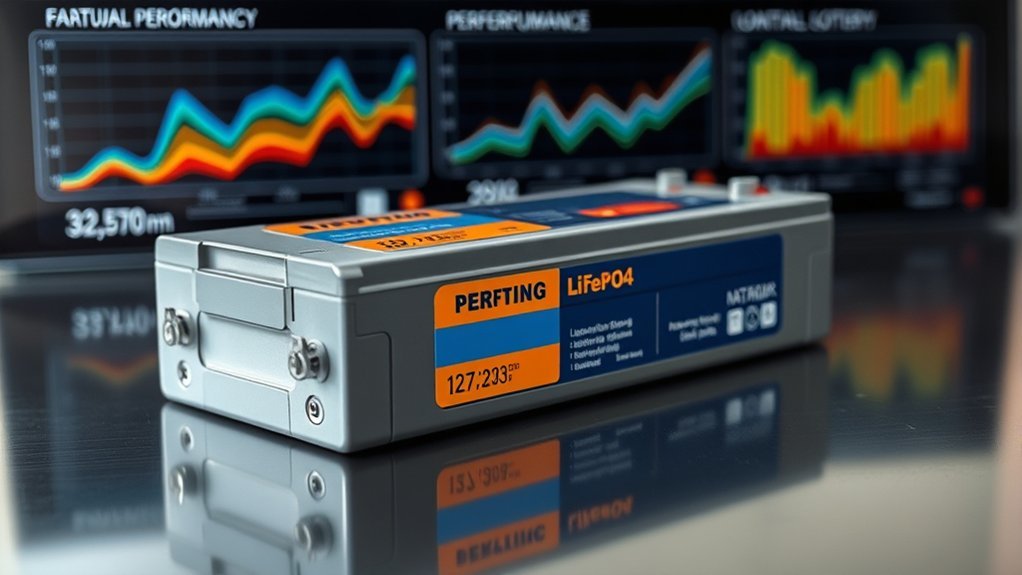
When comparing battery chemistries, LiFePO4 stands out for its superior safety and longevity, but it’s important to evaluate how it stacks up against alternatives like lithium cobalt oxide (LiCoO₂) and lithium nickel manganese cobalt oxide (NMC). LiFePO4 offers a lower energy density compared to LiCoO₂ and NMC, which impacts its suitability for high-capacity applications. However, its thermal stability reduces safety concerns and extends cycle life, making it advantageous for long-term use. Additionally, LiFePO4 batteries are more environmentally friendly, with easier battery recycling processes that minimize hazardous waste. While NMC batteries typically provide higher energy density, LiFePO4’s stability and recyclability position it as a more sustainable choice, especially for stationary energy storage systems.
What Are the Common Drawbacks of LiFePO4 Batteries?
Despite their many advantages, LiFePO4 batteries present certain limitations that can impact their suitability for specific applications. One primary concern is their relatively high upfront cost compared to other chemistries, which can be a barrier for large-scale deployment. Additionally, their environmental impact raises questions, especially regarding recycling challenges—LiFePO4 batteries contain materials that require specialized processes for safe disposal, complicating waste management.
Key drawbacks include:
- Higher initial investment, limiting accessibility for some users.
- Recycling challenges due to complex chemical compositions, impacting sustainability efforts.
- Limited energy density compared to alternative chemistries, restricting use in space-constrained applications.
These factors necessitate careful consideration when integrating LiFePO4 batteries into systems with environmental and economic constraints.
Are LiFePO4 Batteries Safe and Reliable for Long-Term Use?
Although LiFePO4 batteries are often praised for their inherent safety features, their long-term reliability depends on multiple factors, including proper usage and management. These batteries exhibit excellent thermal stability and resistance to overcharging, reducing fire risk. However, environmental impact and recycling considerations influence their sustainability. Proper disposal and recycling are essential to mitigate hazardous waste and recover valuable materials. The table below highlights key reliability factors:
| Factor | Impact | Consideration |
|---|---|---|
| Usage & Management | Guarantees consistent performance, prolongs lifespan | Regular monitoring, balanced charging |
| Environmental Conditions | Extremes can degrade battery components | Proper installation, temperature control |
| Recycling & Disposal | Reduces environmental footprint, conserves resources | Responsible disposal practices |
How Do You Decide If LiFePO4 Batteries Are Right for Your Needs?
Determining whether LiFePO4 batteries suit your specific needs requires a thorough analysis of their technical advantages and limitations relative to your application. Key factors include cost analysis, environmental impact, and lifecycle management.
Consider these points:
- Long-term cost savings: Their durability reduces replacement frequency, enhancing overall cost efficiency.
- Battery recycling: Their stable chemistry facilitates safer, more eco-friendly recycling processes, aligning with sustainability goals.
- Application suitability: Evaluate power demands, cycle life, and safety requirements to determine if LiFePO4 fits your operational needs.
Assessing these elements ensures an informed decision, balancing technical performance with environmental responsibility and economic viability.
Frequently Asked Questions
What Is the Typical Lifespan of a Lifepo4 Battery?
A LiFePO4 battery typically lasts around 2,000 to 5,000 charging cycles, maintaining most of its capacity, which translates to about 8-10 years. Its lifespan depends on usage, charge/discharge rates, and maintenance practices.
How Do Lifepo4 Batteries Handle Extreme Temperatures?
We find LiFePO4 batteries exhibit good temperature resilience, especially with proper thermal management. They perform reliably in extreme temperatures, but ideal operation occurs within specified thermal ranges, preventing capacity loss and ensuring longevity.
Are Lifepo4 Batteries Environmentally Friendly?
We find LiFePO4 batteries environmentally friendly due to lower toxicity and longer lifespan, reducing waste. However, recycling challenges remain, requiring improved methods to manage the environmental impact effectively and guarantee sustainable lifecycle management.
Can Lifepo4 Batteries Be Recycled Easily?
We believe LiFePO4 batteries can be recycled more easily than traditional options due to established recycling processes, which minimize hazardous waste during battery disposal. This enhances their environmental sustainability, making them a more responsible choice overall.
What Maintenance Is Required for Lifepo4 Batteries?
We monitor battery capacity regularly and follow proper charging protocols to guarantee longevity. Minimal maintenance includes avoiding overcharging, maintaining ideal temperature, and periodically inspecting connections to prevent capacity loss and assure reliable performance.
Conclusion
While LiFePO4 batteries boast impressive safety and longevity, their higher upfront costs and lower energy density remind us that no solution is perfect. It’s almost poetic how their durability balances out the initial investment, yet recycling complexities serve as a sobering reminder of environmental trade-offs. Ultimately, their advantages often outweigh the drawbacks for long-term, stable applications—if we’re willing to accept that even the most robust tech has its limitations.