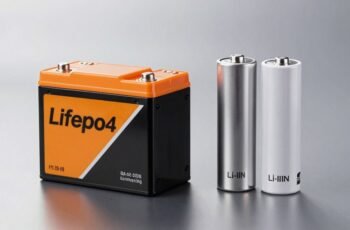
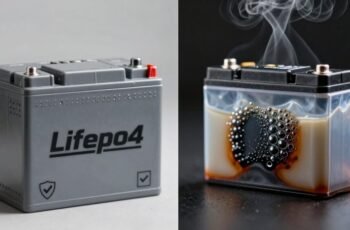
Imagine choosing between two vehicles—one that’s faster but less reliable over time, and another that’s slower but built to last. That’s the essence of selecting a home backup battery: do you prioritize initial cost and energy density or long-term safety and durability? As we examine LiFePO4 versus lithium-ion options, it becomes clear that understanding their fundamental differences can notably impact your system’s performance and longevity. Let’s explore which choice best suits your home’s needs.
Key Takeaways
- LiFePO4 offers superior safety and thermal stability, reducing risk during home backup use.
- Lithium-ion batteries have higher energy density, enabling more compact storage solutions.
- LiFePO4 batteries typically have a longer cycle life, providing better long-term value.
- Lithium-ion batteries are generally more affordable upfront but may require replacement sooner.
- Consider safety, lifespan, capacity, and environmental impact when choosing between the two options.
What Are LiFePO4 and Lithium-Ion Batteries and How Do They Work?
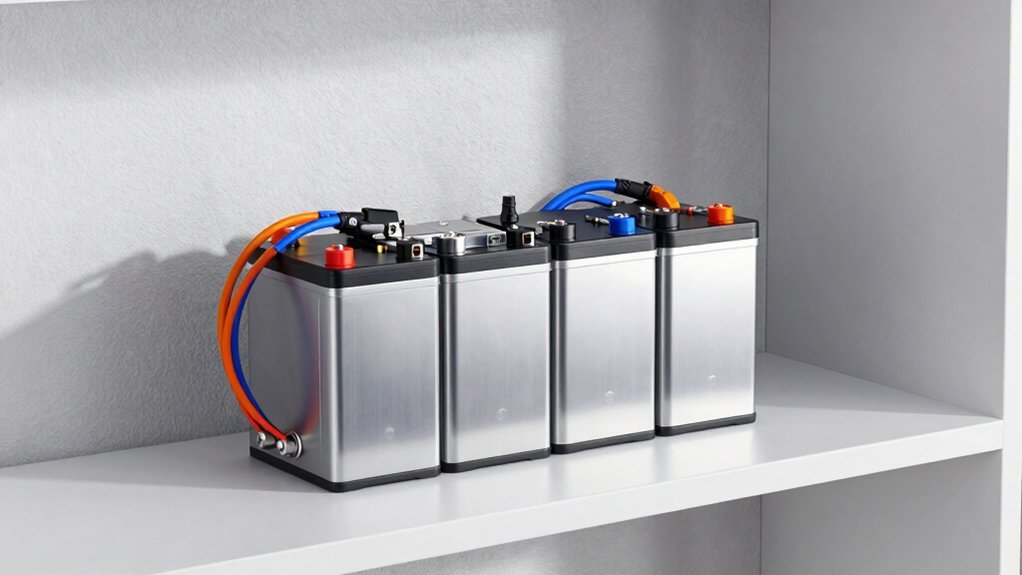
While both LiFePO4 and lithium-ion batteries are popular choices for energy storage, they operate based on different chemical principles that influence their performance and safety. LiFePO4 batteries utilize lithium iron phosphate cathodes, offering enhanced thermal stability and a longer lifespan due to their stable battery chemistry. In contrast, traditional lithium-ion batteries typically use cobalt or manganese-based cathodes, which provide higher energy density but are more prone to thermal runaway. Regarding charging cycles, LiFePO4 batteries generally support more cycles before capacity degradation, making them more durable for long-term use. The chemistry of each affects how they handle charge and discharge, with LiFePO4’s stable chemistry allowing for safer, more consistent cycling. These fundamental differences shape their suitability for various home backup applications.
Key Factors to Consider When Choosing a Home Backup Battery
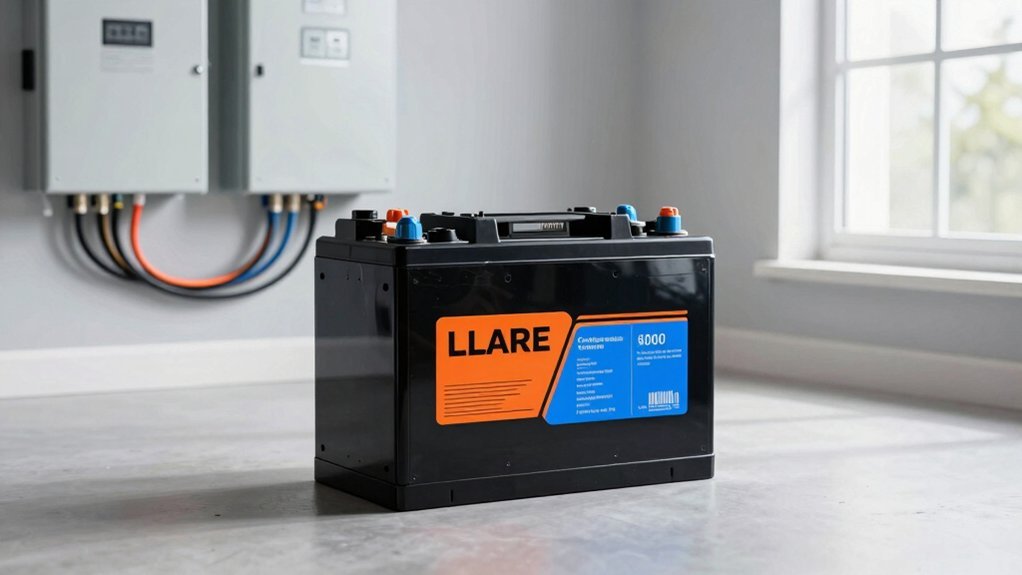
Selecting the right home backup battery requires careful evaluation of multiple technical factors that directly impact performance, safety, and long-term reliability. Key considerations include capacity, cycle life, and efficiency, which influence how well the system can sustain power needs. Environmental impact and battery recycling options also matter, guaranteeing sustainable disposal and minimal ecological footprint. The table below illustrates these factors:
| Factor | Importance | Considerations |
|---|---|---|
| Capacity | Determines backup duration | Match to household energy use |
| Cycle Life | Affects longevity and replacement frequency | Higher cycles, better value |
| Environmental Impact | Influences sustainability and disposal options | Recyclability, eco-friendliness |
Balancing these elements ensures a resilient, eco-conscious choice aligned with long-term energy goals.
Advantages of Lithium Iron Phosphate (LiFePO4) Batteries for Home Backup
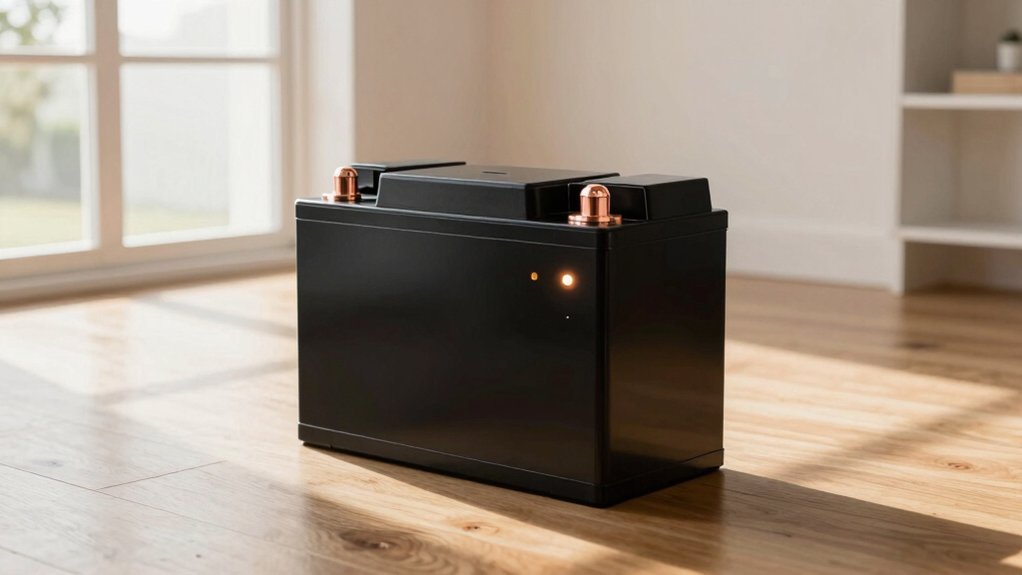
Lithium Iron Phosphate (LiFePO4) batteries offer several compelling advantages for home backup systems, primarily due to their superior safety profile and thermal stability. They generally exhibit a longer battery lifespan, often exceeding 10,000 cycles, which reduces replacement frequency and total cost of ownership. Additionally, LiFePO4’s stable chemistry minimizes thermal runaway risks, enhancing safety during operation. From an environmental perspective, these batteries have a lower environmental impact; they contain non-toxic materials and are more amenable to recycling compared to other lithium-ion chemistries. Their durability and safety features make them ideal for residential use, providing reliable, long-term energy storage while supporting sustainability goals. This combination of longevity and eco-friendliness underscores the growing preference for LiFePO4 technology in home backup applications.
Pros and Cons of Traditional Lithium-Ion Batteries for Home Use
Traditional lithium-ion batteries are widely used in home backup systems due to their high energy density and compact form factor, enabling efficient storage in limited spaces. However, their battery lifespan varies considerably depending on usage patterns, temperature, and depth of discharge, often resulting in a shorter operational life compared to alternatives like Lifepo4. Additionally, their environmental impact is notable; manufacturing involves mining scarce resources and produces hazardous waste, while disposal risks releasing toxic chemicals. While lithium-ion batteries offer superior energy density and faster charging times, their shorter lifespan and environmental footprint pose sustainability concerns. These factors must be carefully weighed when considering lithium-ion technology for home backup applications, especially in long-term or environmentally conscious setups.
How Do Costs and Long-Term Value Compare Between LiFePO4 and Lithium-Ion?
When comparing the costs and long-term value of LiFePO4 and lithium-ion batteries for home backup, it’s important to take into account both upfront expenses and lifecycle performance. Market trends indicate that LiFePO4 batteries tend to have higher initial costs but offer longer cycle life and enhanced safety, which can reduce replacement frequency over time. Technological advancements have driven down the cost of lithium-ion batteries, making them more competitive initially, yet their shorter lifespan may offset these savings. In terms of long-term value, LiFePO4’s stability and durability often lead to better total cost-of-ownership. As market trends continue to favor improvements in battery longevity and safety, LiFePO4 is increasingly viewed as a more cost-effective option for sustained home energy storage.
Which Battery Type Is Better Suited for Your Home Backup Needs?
Choosing the right battery type for your home backup system depends on several key factors, including your energy requirements, safety priorities, budget, and long-term sustainability goals. Lithium-ion and LiFePO4 batteries each offer distinct advantages. Lithium-ion batteries typically have higher energy density and shorter cycle life, which can impact battery longevity. Conversely, LiFePO4 batteries provide superior thermal stability, reducing safety concerns, and feature a longer lifespan, minimizing environmental impact over time.
- Higher energy density for compact setup
- Longer cycle life enhances longevity
- Better thermal stability improves safety
- Lower environmental impact due to longer lifespan
Assessing these factors helps determine which battery type aligns best with your specific backup needs and sustainability objectives.
Making the Right Choice: Tips for Installing and Maintaining Your Backup Battery System
Installing and maintaining a backup battery system requires careful planning to guarantee safety, efficiency, and longevity. Proper adherence to installation guidelines ensures peak performance and mitigates safety risks. Key considerations include secure mounting, correct wiring, and proper ventilation. Battery safety protocols demand regular inspections for signs of degradation or damage, and adherence to manufacturer recommendations prevents hazards. The table below highlights critical factors for effective installation and maintenance:
| Aspect | Best Practices | Safety Considerations |
|---|---|---|
| Wiring | Use appropriate gauge and secure connections | Prevent short circuits |
| Ventilation | Ensure adequate airflow to prevent overheating | Avoid gas buildup |
| Monitoring | Regularly check voltage and capacity | Detect early signs of failure |
| Charging | Follow manufacturer’s charging protocols | Prevent overcharging |
| Physical Setup | Securely mount system components | Minimize physical damage |
Adhering to these guidelines ensures a dependable, safe backup system.
Frequently Asked Questions
How Do Lifepo4 Batteries Perform in Extreme Weather Conditions?
We observe that LiFePO4 batteries perform reliably in extreme weather, maintaining energy density and safety. Their recyclability enhances sustainability, but temperature management remains essential, as extreme conditions can impact longevity and performance despite superior thermal stability.
Are There Any Environmental Impacts Associated With Each Battery Type?
We believe both batteries impact the environment through resource extraction and waste, but Lifepo4’s easier recycling promotes resource sustainability, whereas Lithium Ion’s chemical components pose greater challenges in battery recycling and environmental safety.
What Is the Typical Lifespan Difference Between Lifepo4 and Lithium-Ion Batteries?
We find Lifepo4 batteries typically last 2-3 times longer than lithium-ion, with better cycle life. Considering battery recycling processes and cost comparison, Lifepo4 offers a more durable, environmentally friendly option for long-term home backup solutions.
Can These Batteries Be Easily Expanded or Upgraded Over Time?
Absolutely, these batteries are highly scalable, offering impressive upgrade options that adapt to your evolving energy needs. Their modular design allows us to expand capacity easily, but careful planning guarantees seamless integration and peak system performance over time.
How Do Warranty Terms Compare Between Lifepo4 and Traditional Lithium-Ion Systems?
We find that Lifepo4 warranties typically offer longer coverage, reflecting durability, whereas traditional lithium-ion systems may have shorter terms. Both involve battery recycling considerations and cost comparison impacts, but Lifepo4’s extended warranty underscores its longevity and cost-effectiveness over time.
Conclusion
Ultimately, choosing between LiFePO4 and lithium-ion batteries depends on your long-term priorities. For instance, a homeowner in a hurricane-prone area might prioritize safety and lifespan, making LiFePO4 the superior option despite higher upfront costs. Our analysis shows that while lithium-ion batteries may seem appealing initially, their shorter lifespan and environmental concerns could lead to higher costs over time. Making an informed decision guarantees reliable, sustainable backup power tailored to your specific needs.