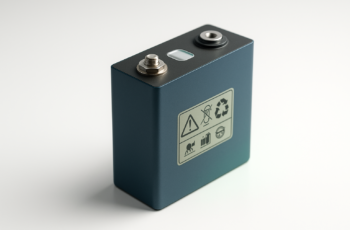
Consider the case of a LiFePO4 battery in a solar energy system that suddenly overheated and failed; it highlights the potential risks involved. While these batteries are generally regarded as one of the safest lithium-ion options, their safety is not absolute. Understanding the underlying mechanisms that could lead to failure, especially under improper handling or extreme conditions, is essential. So, what exactly makes LiFePO4 batteries safer—and how close are they to the danger threshold?
Key Takeaways
- Lifepo4 batteries are inherently safer and less prone to thermal runaway than other lithium-ion batteries.
- Overcharging, physical damage, or internal faults can increase the risk of explosion.
- Proper management, including voltage regulation and avoiding damage, minimizes explosion hazards.
- Signs like swelling, overheating, or leaks indicate potential safety risks, including explosion risk.
- When properly handled and maintained, Lifepo4 batteries have a very low likelihood of exploding.
How Do Lifepo4 Batteries Work and What Makes Them Safer Than Other Lithium-Ion Batteries

Lifepo4 batteries operate through the movement of lithium ions between the cathode and anode during charge and discharge cycles, similar to other lithium-ion chemistries. Their stable chemical composition reduces the risk of thermal runaway, making them inherently safer. This stability also benefits energy storage applications, as Lifepo4 cells resist overheating and combustion. Additionally, Lifepo4 batteries are more environmentally friendly due to their safer chemical makeup, facilitating efficient battery recycling at end-of-life. Their robust thermal and chemical stability minimizes safety risks, unlike other lithium-ion batteries prone to dendrite formation and internal shorts. This safety profile enhances their suitability for large-scale energy storage systems, where safety and recyclability are critical. Ultimately, these characteristics explain why Lifepo4 batteries are considered safer and more sustainable alternatives in modern energy storage solutions.
What Common Factors Can Lead to Lifepo4 Battery Failures or Safety Risks?

We recognize that overcharging and overvoltage conditions can compromise Lifepo4 battery integrity, increasing the risk of thermal events. Physical damage, such as punctures or impacts, can induce internal short circuits, leading to potential failure or safety hazards. Understanding these factors is essential for implementing effective safeguards and ensuring reliable operation.
Overcharging and Overvoltage Risks
Overcharging and overvoltage conditions substantially increase the risk of battery failure and safety hazards. Excess voltage causes internal stress, leading to potential thermal runaway, which can compromise manufacturing safety protocols. Proper voltage regulation is essential to prevent breakdowns or hazardous incidents. The following table illustrates factors contributing to overvoltage risks:
| Factor | Impact |
|---|---|
| Inadequate Charging Systems | Overvoltage due to poor regulation |
| Faulty Battery Management | Failure to disconnect during overcharge |
| External Voltage Surges | Sudden spikes exceeding specs |
These factors can also hinder effective battery recycling processes, emphasizing the need for robust control systems. Vigilance in managing overvoltage reduces failure risks, supports sustainable practices, and safeguards safety standards throughout the battery lifecycle.
Physical Damage and Short Circuits
Physical damage and short circuits are primary factors that considerably increase the risk of Lifepo4 battery failures and safety hazards. Mechanical impacts, punctures, or crushing can compromise internal cell integrity, leading to thermal runaway or fires. Short circuits, often caused by manufacturing defects or improper wiring, create high current flows that generate excessive heat, risking explosion. Proper charging etiquette, including avoiding overcurrent situations, minimizes damage risk. Additionally, incorrect handling during battery recycling processes can expose cells to physical stress, increasing failure likelihood. Ensuring batteries are protected from physical impacts and maintaining correct wiring practices are essential. Regular inspection for signs of damage and adherence to safe charging and handling protocols are critical to prevent failures that could escalate into safety hazards.
Can Overcharging or Deep Discharging Cause a Lifepo4 Battery to Explode?

While Lifepo4 batteries are generally considered safer than other lithium-ion chemistries, improper charging practices can still pose risks. Overcharging can lead to thermal stress, potentially damaging the internal structure and increasing the risk of failure, though explosions remain rare. Deep discharging, on the other hand, can cause irreversible capacity loss and compromise cell integrity, but it’s unlikely to cause an explosion if managed correctly. Adherence to strict manufacturing standards guarantees that safety mechanisms, like voltage cutoffs, are properly integrated, reducing risks associated with improper charging. Additionally, responsible battery recycling prevents hazardous conditions caused by degraded or damaged cells. Overall, following appropriate charging protocols and manufacturing standards minimizes the risk of catastrophic failure, including explosions, from overcharging or deep discharging Lifepo4 batteries.
How Do Thermal Runaway and Internal Short Circuits Pose Risks to Lifepo4 Batteries?
Thermal runaway and internal short circuits are significant safety concerns for Lifepo4 batteries, as they can initiate rapid and uncontrollable failure modes. These issues often stem from electrolyte instability or manufacturing defects that compromise cell integrity. When an internal short occurs, heat generation accelerates, risking thermal runaway—a self-sustaining process that causes rapid temperature rise and potential fire.
| Cause | Mechanism | Effect |
|---|---|---|
| Electrolyte instability | Degradation under stress | Increased internal resistance |
| Manufacturing defects | Poor assembly or defects | Elevated risk of shorts |
| External damage | Mechanical impact | Cell puncture or short circuit |
| Overcharge conditions | Excessive voltage | Heat buildup, instability |
What Precautions and Maintenance Practices Help Prevent Explosions in Lifepo4 Batteries?
Implementing proper precautions and maintenance practices is essential to minimizing the risk of explosions in Lifepo4 batteries. To guarantee safety, we recommend the following:
- Regular Monitoring and Testing: Conduct routine voltage and temperature checks to detect early signs of thermal imbalance or degradation.
- Proper Storage Safety: Store batteries in a cool, dry environment, avoiding extreme temperatures that can trigger thermal runaway.
- Responsible Battery Recycling: Dispose of and recycle batteries following established protocols to prevent hazardous buildup and environmental risks.
- Adherence to Manufacturer Guidelines: Follow recommended charging, discharging, and maintenance procedures to prevent internal damage and reduce explosion risk.
These practices help maintain battery integrity and safety, emphasizing the importance of proactive management in preventing dangerous incidents.
When Should You Be Concerned and Seek Professional Inspection or Replacement?
We should be alert to signs like visible damage, overheating, or swelling, which indicate potential safety risks. Unusual battery behavior, such as inconsistent charging or rapid discharge, also warrants professional inspection. Recognizing these indicators early helps prevent incidents and guarantees the battery’s integrity.
Signs of Battery Damage
Detecting signs of battery damage early is essential for safety and performance, especially with Lifepo4 batteries, which are generally safer but still susceptible to deterioration. Visible or functional abnormalities can indicate underlying issues requiring professional inspection.
Key signs include:
- Voltage irregularities: Sudden drops or inconsistent readings suggest internal degradation.
- Unusual odors: Faint chemical smells may signal electrolyte leaks or compromised seals.
- Physical damage: Cracks, corrosion, or discoloration indicate potential failure points.
- Reduced capacity: Noticeable decrease in runtime points to declining cell health, often linked to manufacturing standards.
Recognizing these signs helps prevent hazardous situations and supports proper battery recycling practices, ensuring safe disposal and environmental responsibility.
Overheating or Swelling
Overheating or swelling in a Lifepo4 battery signals potential internal failures that can compromise safety and performance. This physical change often indicates thermal runaway or electrolyte breakdown, which can lead to leaks or fires if unchecked. When these signs occur, it’s essential to seek professional inspection promptly to prevent escalation. Swelling also complicates battery recycling processes, as damaged cells pose environmental hazards and hinder proper disposal. Addressing overheating early minimizes environmental impact by reducing the risk of toxic leaks and contamination. Regular monitoring and timely replacement guarantee safety and sustainability, highlighting the significance of proper handling. Recognizing these signs and acting swiftly helps prevent dangerous failures and supports responsible battery recycling efforts.
Unusual Battery Behavior
Unusual battery behavior often signals underlying issues that warrant immediate attention to prevent safety hazards or equipment failure. Recognizing these signs helps determine when professional inspection or replacement is necessary.
- Persistent voltage drops despite adherence to proper charging protocols may indicate internal degradation requiring expert evaluation.
- Unexplained temperature fluctuations or irregular heating patterns could suggest compromised cell integrity, risking thermal runaway.
- Physical anomalies like cracks, leaks, or corrosion point to potential safety hazards and should prompt immediate inspection.
- Unusual discharges or failure to hold charge can be linked to degraded electrodes, emphasizing the importance of proper battery recycling practices to avoid unsafe reuse. Addressing these behaviors promptly ensures safe operation and prolongs battery life, aligning with recommended battery recycling and charging protocols.
Frequently Asked Questions
What Are the Signs of a Failing Lifepo4 Battery?
We observe failing Lifepo4 batteries through signs like capacity loss, increased internal resistance, and abnormal heating, which indicate the need for proper battery recycling and adherence to charging protocols to prevent safety hazards and guarantee longevity.
Can Physical Damage Cause Lifepo4 Batteries to Explode?
Physical damage can compromise Lifepo4 batteries’ chemical stability, increasing fire hazards. We advise careful handling, as damage may cause internal short circuits, leading to potential thermal runaway and explosions, emphasizing safety in battery management and inspection.
How Does Temperature Affect Lifepo4 Battery Safety?
Temperature impacts Lifepo4 battery safety through thermal management and temperature thresholds; excessive heat causes risks, while cold diminishes performance. Maintaining ideal conditions guarantees safety, stability, and longevity, preventing thermal runaway and safeguarding your energy storage.
Are There Specific Environments Where Lifepo4 Batteries Are Riskier?
Lifepo4 batteries are riskier in environments with extreme temperatures or high humidity, where chemical stability can be compromised despite strict manufacturing standards. We recommend controlled conditions to guarantee safety and peak performance.
What Are the Legal Regulations Regarding Lifepo4 Battery Safety?
We guarantee LiFePO4 battery safety by adhering to strict regulations, emphasizing safety certifications and battery recycling protocols, which minimize risks of failure or explosion, particularly in regulated industrial applications, highlighting the importance of compliance for safe deployment.
Conclusion
In summary, while LiFePO4 batteries are like a fortress—resistant to many hazards—they aren’t invincible. Proper handling, regular maintenance, and adherence to safety guidelines are essential to prevent failures. By understanding potential risks like overcharging or internal damage, we can mitigate dangers effectively. Staying vigilant is key, as ignoring warning signs is like ignoring a ticking time bomb. With careful management, we can harness their safety benefits while minimizing explosion risks.