Imagine choosing a vehicle that promises longevity and safety but demands a higher upfront investment; this captures the essence of LiFePO4 batteries. Their advantages, such as enhanced safety, long cycle life, and eco-friendliness, are compelling, yet they come with notable trade-offs. Understanding these pros and cons is essential for making informed decisions about their application in both residential and industrial energy systems. Exploring these factors helps clarify whether they truly meet specific energy needs.
Key Takeaways
- LiFePO4 batteries are safer and more stable, reducing fire and thermal runaway risks.
- They have a longer lifespan, often over 2000 charge cycles, lowering replacement costs.
- Higher initial costs can be offset by lower maintenance and longer service life.
- Lower energy density means they are bulkier and heavier for the same capacity.
- Recycling processes are still developing, posing environmental challenges despite easier recyclability.
What Are the Main Advantages of LiFePO4 Batteries?
LiFePO4 batteries are increasingly favored in various applications due to their notable advantages. One key benefit is their environmentally friendly profile, stemming from a lower environmental impact compared to other lithium-ion chemistries. Their stable chemical composition minimizes thermal runaway risks, enhancing safety. Additionally, LiFePO4 batteries support sustainable practices through easier battery recycling processes, reducing long-term waste and resource depletion. Their longer lifespan—often exceeding 2000 charge cycles—further decreases the frequency of replacement, lessening environmental strain. This combination of safety, sustainability, and durability makes LiFePO4 batteries a compelling option for eco-conscious energy storage solutions. As a result, they align well with global efforts to minimize environmental impact while maintaining high performance standards.
What Are the Key Disadvantages of LiFePO4 Batteries?
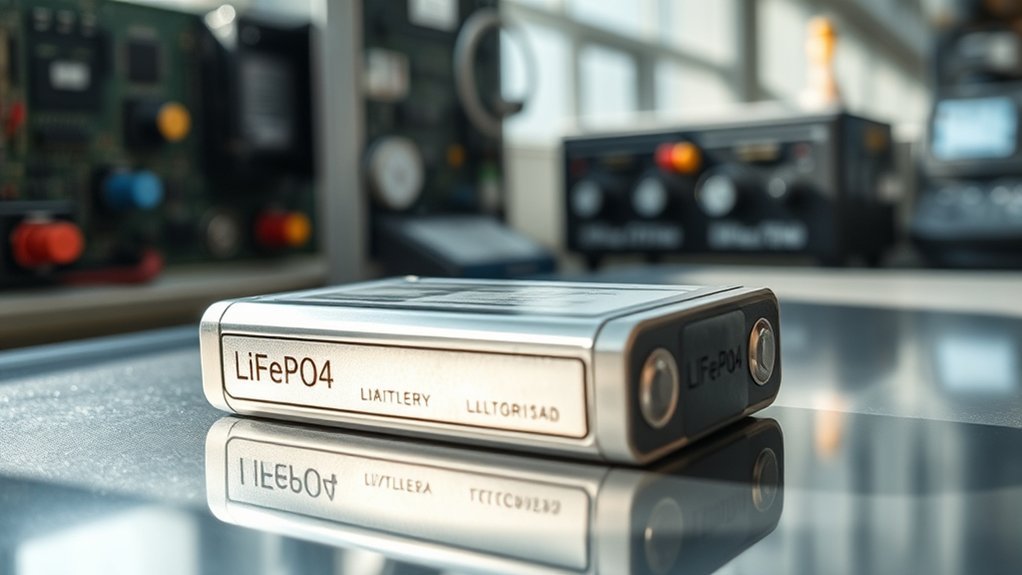
Despite their many advantages, LiFePO4 batteries also present notable disadvantages that can impact their suitability for certain applications. One key issue is their relatively high initial cost compared to other chemistries, which can be a barrier for some users. Additionally, their energy density is lower, meaning they require more space and weight for the same capacity. From an environmental perspective, while LiFePO4 batteries are considered safer and less toxic, battery recycling remains a challenge, as efficient and widespread recycling methods are still developing. This can lead to increased environmental impact if not properly managed. Moreover, their performance can degrade at high temperatures, limiting use in extreme conditions. These factors must be carefully considered when evaluating LiFePO4 batteries for specific applications.
How Do LiFePO4 Batteries Compare to Other Battery Types?
When comparing lithium-based battery chemistries, LiFePO4 batteries stand out for their safety and longevity, but they also differ considerably in regarding energy density, cost, and operating temperature range. Compared to lithium-ion variants like NMC or LCO, LiFePO4 offers lower energy density, making it less ideal for compact applications, yet it excels in thermal stability and cycle life. Environmentally, LiFePO4 batteries have a smaller environmental impact due to safer manufacturing processes and easier battery recycling, reducing toxic waste. Their longer lifespan lessens frequent replacements, further mitigating environmental concerns. However, higher initial costs can be a barrier, though this is offset by lower maintenance and longer service life. Overall, LiFePO4 presents a balanced trade-off in safety, environmental impact, and operational durability compared to other battery types.
Are LiFePO4 Batteries Safe for Home and Industrial Use?
Because safety is paramount in both residential and industrial settings, evaluating the inherent risks of LiFePO4 batteries is essential. These batteries are considered safer than many alternatives due to their stable chemistry, reducing the risk of thermal runaway and fires. However, their use involves considerations like battery recycling and environmental impact. Proper disposal through battery recycling minimizes hazardous waste, preventing environmental contamination. While LiFePO4 batteries are inherently safer, improper handling or damage can still pose safety risks, especially in large-scale applications. Their environmental impact is comparatively lower, thanks to non-toxic materials and longer lifespan, which reduces waste. Overall, with appropriate safety protocols and responsible recycling practices, LiFePO4 batteries are a safe choice for both home and industrial use.
What Factors Affect the Longevity of LiFePO4 Batteries?
The lifespan of LiFePO4 batteries hinges on a combination of operational and environmental factors that influence their chemical stability and structural integrity over time. Proper management of these factors is essential to maximize longevity. High charge/discharge rates accelerate cell degradation, reducing cycle life. Temperature fluctuations, especially extreme heat, cause thermal stress that damages internal components. Consistent, ideal charging practices prevent overvoltage and deep discharge, which can harm battery chemistry. Environmental impact considerations, such as exposure to moisture or corrosive elements, also accelerate deterioration. Additionally, responsible battery recycling is vital; improper disposal can hinder sustainability efforts and affect environmental health. Overall, understanding these factors allows for better maintenance, prolongs battery life, and supports environmentally conscious use and disposal practices.
Is Cost a Barrier When Choosing LiFePO4 Batteries?
While LiFePO4 batteries often have higher upfront costs compared to traditional lead-acid options, their long-term savings and performance benefits frequently justify the initial investment. Cost concerns can act as an affordability barrier, yet the total lifecycle cost analysis reveals significant savings through extended cycle life, reduced maintenance, and superior efficiency. To evaluate this, consider the table below:
| Aspect | Lead-Acid | LiFePO4 | Key Difference |
|---|---|---|---|
| Initial Cost | Lower | Higher | Upfront investment |
| Cycle Life | 300-500 cycles | 2000+ cycles | Longevity |
| Maintenance | Frequent, costly | Minimal | Total ownership cost |
| Efficiency | Lower | Higher | Energy savings |
| Overall Cost | Higher over lifespan | Lower over time | Long-term affordability |
Thus, despite higher initial costs, LiFePO4’s advantages mitigate affordability barriers through lifecycle savings.
How Do You Decide If LiFePO4 Is Right for Your Energy Needs?
Determining if LiFePO4 batteries suit your energy requirements involves analyzing your specific power consumption patterns, system size, and long-term performance expectations. We consider factors like cycle life, efficiency, and maintenance needs to assess viability. Additionally, evaluating environmental impact and battery recycling options is vital for sustainable decision-making.
- Power needs: Match battery capacity to your daily energy consumption.
- System scalability: Confirm the battery supports future expansion.
- Durability: Consider cycle life and overall longevity.
- Environmental considerations: Assess battery recycling programs and ecological footprint.
- Performance consistency: Verify stability over temperature ranges and usage cycles.
Frequently Asked Questions
How Do Lifepo4 Batteries Perform in Cold Weather Conditions?
In cold weather, Lifepo4 batteries maintain stable performance better than traditional batteries due to their chemical stability, though their capacity slightly decreases. We find that battery performance remains reliable, but cold temperatures can still impact overall efficiency.
Can Lifepo4 Batteries Be Recycled Easily?
Lifepo4 batteries can be recycled, but the process faces recycling challenges due to specialized battery manufacturing and material separation complexities. We recognize the importance of developing more efficient recycling methods to minimize environmental impact and promote sustainability.
What Maintenance Is Required for Lifepo4 Batteries?
We perform battery calibration periodically to guarantee accurate state-of-charge readings and monitor temperature management to prevent overheating. Proper maintenance includes checking connections, avoiding extreme temperatures, and regular calibration, promoting longevity and peak performance of Lifepo4 batteries.
Are Lifepo4 Batteries Suitable for High-Drain Applications?
We find LiFePO4 batteries suitable for high-drain applications due to their high battery capacity and excellent charging efficiency, which allow rapid energy delivery and sustained performance, making them ideal for demanding, high-current environments.
How Long Do Lifepo4 Batteries Typically Last in Real-World Use?
They say “a stitch in time saves nine,” and in real-world use, Lifepo4 batteries typically last 8-10 years, maintaining battery capacity and charging speed, though lifespan depends on usage patterns and proper maintenance.
Conclusion
In weighing the pros and cons, LiFePO4 batteries stand out as a reliable, safe choice for energy storage—much like a sturdy vessel steering through turbulent waters. While higher costs and space requirements pose challenges, their longevity, safety, and eco-friendliness often justify the investment. Ultimately, understanding your specific needs helps determine if this technology is the right fit. After all, in the domain of energy solutions, choosing wisely is the key to powering a sustainable future.