Imagine a battery that combines safety, longevity, and environmental responsibility in a single compact form—this is what Lifepo4 batteries deliver. Their stable chemistry minimizes risks like overheating or fires, while their long cycle life guarantees dependable performance over years of use. As we explore their many advantages, you’ll see how these batteries are shaping sustainable energy solutions and why they’re becoming a preferred choice across diverse applications.
Key Takeaways
- Lithium iron phosphate (LiFePO4) offers high thermal stability and reduces fire or explosion risks, ensuring safer operation.
- It provides a longer cycle life, maintaining capacity over numerous charge-discharge cycles.
- LiFePO4 batteries are environmentally friendly, with minimal toxic materials and easier recycling processes.
- Their stable chemistry reduces maintenance needs and operational costs over the battery’s lifespan.
- Suitable for various applications like renewable energy storage and electric vehicles due to their reliability and safety.
What Are Lifepo4 Batteries and How Do They Work?
Lifepo4 batteries, also known as lithium iron phosphate batteries, are a type of rechargeable lithium-ion battery characterized by their stable chemistry and enhanced safety profile. Their battery chemistry involves a phosphate-based cathode, which provides high thermal stability and reduces the risk of thermal runaway. This stability makes them particularly effective for energy storage applications, where consistent performance and safety are critical. Unlike other lithium-ion chemistries, Lifepo4 batteries deliver a flat voltage curve during discharge, ensuring reliable power delivery. Their structural stability allows for long cycle life and minimal capacity fade over time. Consequently, their design optimizes energy storage efficiency while maintaining safety and durability, making them suitable for a wide range of applications from renewable energy systems to electric vehicles.
Why Lifepo4 Batteries Are Safer Than Traditional Lithium-Ion Batteries
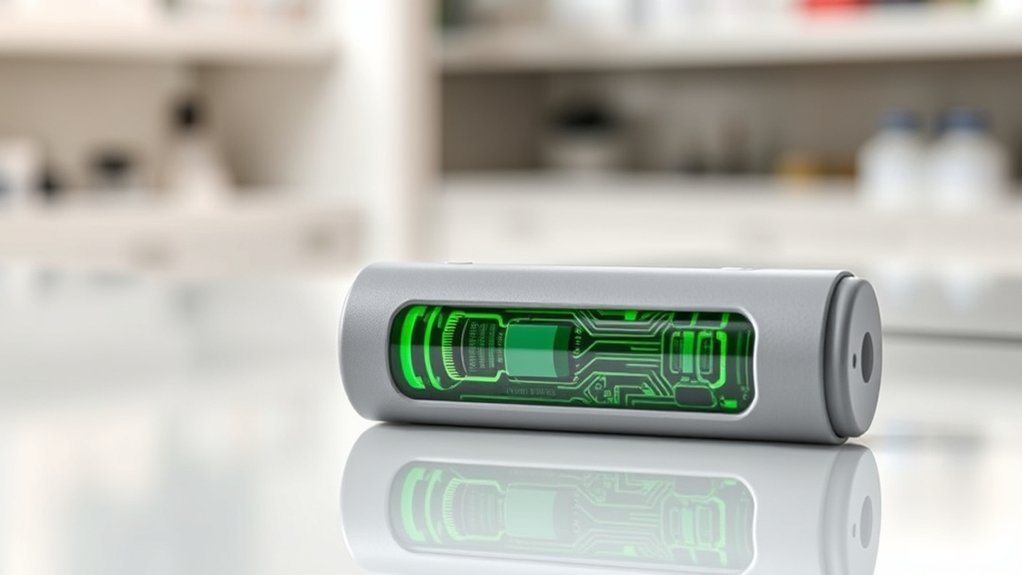
Although traditional lithium-ion batteries are widely used, they pose significant safety risks due to their chemical instability under certain conditions. Lithium-ion cells use flammable electrolytes, which can lead to thermal runaway if damaged or improperly handled. In contrast, Lifepo4 batteries demonstrate superior battery safety thanks to their inherently stable chemistry. Their chemical stability reduces the risk of overheating, fires, or explosions, even under puncture or overcharge scenarios. This stability is attributed to the robust nature of the iron phosphate cathode, which resists decomposition and thermal instability. Consequently, Lifepo4 batteries offer a safer alternative by minimizing hazards associated with chemical reactions, making them a more reliable choice for applications where safety is paramount.
The Longevity and Durability Benefits of Lifepo4 Cells
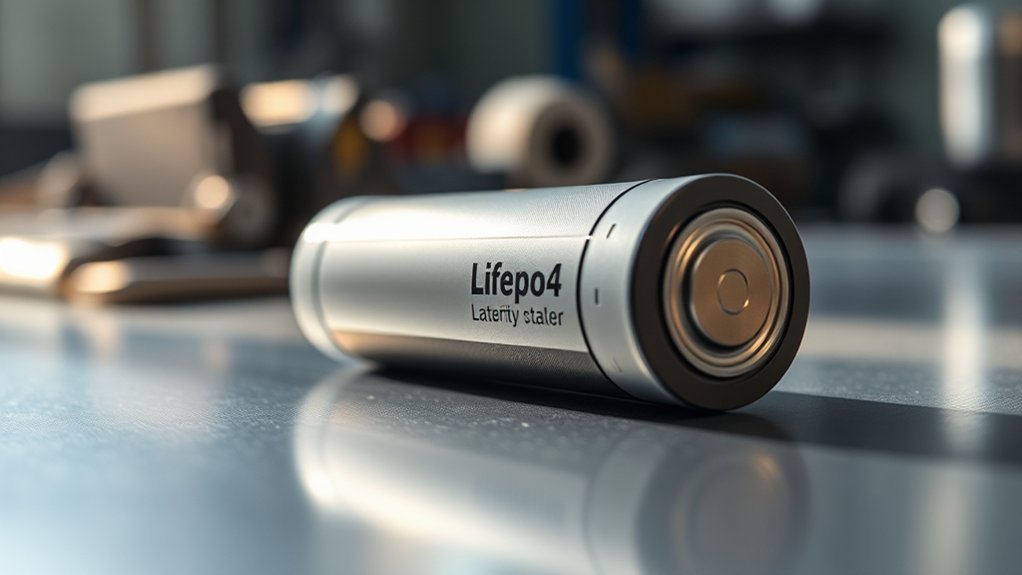
Lifepo4 cells offer a particularly extended cycle life compared to traditional lithium-ion batteries, reducing replacement frequency and long-term costs. Their resistance to degradation guarantees stable capacity even after numerous charge-discharge cycles, maintaining reliability over time. This consistency in performance makes Lifepo4 batteries well-suited for applications demanding durability and sustained efficiency.
Extended Cycle Life
Because of their chemical stability, these batteries typically demonstrate considerably higher cycle life compared to other lithium-ion chemistries. Lifepo4’s battery chemistry offers superior durability, enabling more charge-discharge cycles before significant capacity loss. This extended cycle life results from:
- The stable crystal structure, which minimizes electrode degradation over time.
- Reduced formation of solid-electrolyte interface layers, maintaining consistent energy density.
- Lower rates of capacity fade under repeated cycling, preserving overall performance.
While Lifepo4 batteries may have slightly lower energy density than other chemistries, their longevity compensates through fewer replacements and longer service life. This makes them ideal for applications demanding sustained performance and cost efficiency over time.
Resistance to Degradation
The inherent chemical stability of Lifepo4 cells considerably enhances their resistance to degradation over time. This stability minimizes the formation of harmful byproducts during charge-discharge cycles, preserving cell integrity. Additionally, Lifepo4’s thermal resilience allows it to withstand high temperatures without significant performance loss or safety risks, unlike other lithium-ion chemistries. The robust chemical structure reduces electrode deterioration, ensuring sustained capacity and fewer capacity fade issues. This combination of chemical stability and thermal resilience contributes to a longer lifespan, making Lifepo4 batteries highly durable. Consequently, they maintain their performance characteristics even under demanding environmental conditions, which is vital for applications requiring reliable, long-term energy storage. This resistance to degradation underscores their superior longevity and durability over conventional lithium-ion batteries.
Consistent Performance Over Time
How do Lifepo4 batteries maintain their performance over extended periods? The answer lies in their unique battery chemistry, which fosters high performance consistency through stable electrochemical processes. This chemistry minimizes capacity fade and degradation, even after numerous charge cycles. Specifically, Lifepo4 cells:
- Exhibit minimal electrode degradation due to robust chemical stability.
- Maintain consistent voltage output throughout their lifespan.
- Show reduced capacity loss, preserving performance over thousands of cycles.
This combination ensures durable performance and reliability over time. The inherent stability of Lifepo4 chemistry supports long-term use, making these batteries less susceptible to the typical decline seen in other chemistries. Consequently, their longevity and durability confirm their suitability for applications demanding sustained performance.
How Lifepo4 Batteries Support Sustainable and Eco-Friendly Energy Solutions
Lifepo4 batteries considerably lower environmental impact through their long lifespan and high safety standards, reducing waste and resource consumption. They actively support renewable energy integration by providing stable, efficient storage solutions for solar and wind power. Additionally, their design facilitates improved recycling efforts, further minimizing ecological footprints and promoting sustainable energy practices.
Reduces Environmental Impact
Although lithium iron phosphate (LiFePO4) batteries are often recognized for their high performance, their environmental benefits are equally significant. Their battery chemistry minimizes toxic material use and reduces hazardous waste, aligning with stricter environmental regulations. Specifically:
- The stable chemical composition of LiFePO4 reduces the risk of thermal runaway and toxic leaks.
- The absence of heavy metals like cobalt and nickel diminishes environmental contamination during disposal.
- Longer lifecycle and higher cycle stability decrease the frequency of replacement, lessening waste generation.
These factors collectively support sustainable practices, complying with evolving environmental standards. The inherent battery chemistry consequently not only enhances durability but also actively reduces ecological impact, making LiFePO4 batteries a more eco-friendly energy storage solution.
Promotes Renewable Energy
By enabling efficient storage and utilization of renewable energy sources, LiFePO4 batteries play an essential role in advancing sustainable power systems. Their high energy storage capacity allows for effective management of intermittent sources like solar and wind, ensuring a stable supply of clean energy. Additionally, battery safety is a critical advantage; LiFePO4 chemistry offers thermal stability and reduces risks of thermal runaway, making them reliable for large-scale deployment. This safety profile encourages integration into grid systems and off-grid solutions, supporting broader adoption of renewable energy. By providing secure, long-lasting energy storage, these batteries facilitate a shift to eco-friendly energy solutions, reducing dependence on fossil fuels and minimizing environmental impact. Their technical features underpin the push toward sustainable, renewable power infrastructure.
Enhances Recycling Efforts
As the adoption of lithium iron phosphate (LiFePO4) batteries grows, their role in enhancing recycling efforts becomes increasingly significant. These batteries facilitate recycling innovations that improve material recovery and reduce waste. Their stable chemistry and longer lifecycle enable easier disassembly, minimizing environmental impact. Specifically, LiFePO4 batteries support:
- Improved extraction processes that recover valuable metals with higher efficiency.
- Reduced toxic waste through safer recycling methods.
- Lower environmental footprint by decreasing hazardous waste and promoting sustainable disposal practices.
These advancements offer notable environmental benefits, including decreased reliance on virgin resource extraction and minimized ecological disruption. By fostering more effective recycling, LiFePO4 batteries contribute to a circular economy, reinforcing their importance in sustainable energy systems.
Cost Savings and Low Maintenance With Lifepo4 Battery Systems
Have you considered how Lifepo4 battery systems can substantially reduce long-term operational costs? Their high cost efficiency stems from extended cycle life and stable performance, which lower replacement frequency and associated expenses. Additionally, Lifepo4 batteries offer significant maintenance ease due to their minimal need for system balancing and reduced thermal management requirements. This translates to lower labor and parts costs over the system’s lifespan. The inherent chemical stability of Lifepo4 chemistry minimizes degradation, ensuring consistent capacity and reliability. By reducing downtime and maintenance interventions, these batteries deliver predictable operational costs and improve overall system uptime. Consequently, adopting Lifepo4 technology not only enhances operational efficiency but also results in tangible financial savings over the lifespan of the energy storage system.
Comparing Lifepo4 Batteries to Other Rechargeable Battery Technologies
When evaluating energy storage options, understanding how Lifepo4 batteries compare to other rechargeable technologies is crucial for making informed decisions. Lifepo4’s advantages include superior thermal stability, longer cycle life, and enhanced safety profiles. In contrast, lithium-ion batteries often dominate market trends due to higher energy density but pose greater safety risks and require complex battery manufacturing processes.
Consider these points:
Evaluate Lifepo4 batteries for safety, durability, and cost-effective energy storage solutions.
- Battery manufacturing: Lifepo4’s simpler chemistry leads to more consistent quality and lower production costs, impacting market trends toward sustainable, scalable production.
- Market trends: Increased demand for safe, durable batteries favors Lifepo4, especially in stationary energy storage and EV sectors.
- Performance metrics: Lifepo4 offers longer cycle life and better thermal stability, making it a reliable choice compared to other rechargeable batteries.
Ideal Applications and Use Cases for Lifepo4 Batteries
What makes Lifepo4 batteries particularly well-suited for specific applications is their combination of safety, stability, and durability. Their inherent battery safety features minimize risks of thermal runaway or fire, making them ideal for sensitive environments. Although they have a lower energy density compared to some chemistries, their reliable performance guarantees consistent power delivery over many cycles. This makes them suitable for applications where safety and longevity are prioritized over compactness. Lifepo4 batteries excel in energy storage for renewable energy systems, electric vehicles, and backup power supplies, where stability and safety are critical. Their robustness under demanding conditions further extends their use cases, assuring users of dependable, safe energy solutions in a variety of technical and industrial settings.
Tips for Choosing the Right Lifepo4 Battery for Your Needs
Selecting the right Lifepo4 battery requires a careful assessment of your specific application needs, as factors like capacity, voltage, cycle life, and safety features directly influence performance. When choosing, consider the battery aesthetics, which impact installation and integration, and how manufacturing processes affect durability and consistency. To optimize your selection:
Choosing the right Lifepo4 battery involves assessing capacity, safety, aesthetics, and manufacturing quality for optimal performance.
- Evaluate capacity and voltage to match your power demands precisely.
- Analyze cycle life and safety features, ensuring longevity and reliability.
- Review manufacturing standards and aesthetic design for compatibility and ease of maintenance.
Understanding these aspects helps guarantee you select a high-quality battery tailored to your application, maximizing performance and safety while minimizing long-term costs.
Frequently Asked Questions
How Do Lifepo4 Batteries Perform in Extreme Temperatures?
Lifepo4 batteries exhibit strong thermal resilience, maintaining stable performance in extreme temperatures. Their cold performance remains reliable, though capacity slightly decreases in cold conditions, but overall, they adapt well due to their robust chemical stability.
Are Lifepo4 Batteries Recyclable or Environmentally Friendly?
Sure, Lifepo4 batteries are recyclable and eco-friendly, thanks to advanced recycling processes and eco-friendly materials. Ironically, their environmental benefits highlight how technological innovation can reduce ecological impact, making them a sustainable choice for conscientious users.
What Is the Typical Charging Time for Lifepo4 Batteries?
We find that Lifepo4 batteries typically charge within 3 to 4 hours under proper charging protocols, which optimize battery lifespan. Adhering to recommended voltage and current limits guarantees efficient charging and prolongs the battery’s durability over time.
Can Lifepo4 Batteries Be Used in Portable or Mobile Applications?
Yes, lifepo4 batteries excel in portable power and mobile energy applications due to their high energy density, safety, and long cycle life, making them ideal for lightweight, reliable, and sustainable power solutions in various mobile and portable devices.
How Do Lifepo4 Batteries Handle High Discharge Rates?
Think of Lifepo4 batteries as race cars—they handle high discharge rates like a champ, providing high voltage and supporting fast charging without sacrificing stability or safety, making them ideal for demanding portable and mobile applications.
Conclusion
In sum, Lifepo4 batteries stand out as a reliable, safe, and eco-friendly energy solution. Their long lifespan and low maintenance make them a smart investment across various applications. While no technology is perfect, these batteries prove that you get what you pay for—offering durability and safety that truly stand the test of time. For those seeking sustainable power, embracing Lifepo4 is a clear case of the proof being in the pudding.