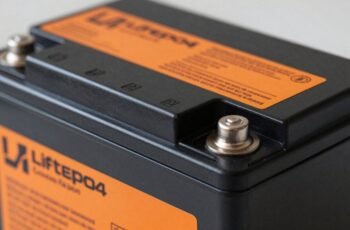
Many people are unaware that LiFePO4 batteries have a unique chemical stability that substantially reduces the risk of thermal runaway compared to other lithium-ion types. This inherent safety feature, combined with their robust structural design, makes them less prone to fires and explosions, even under stress or damage. Understanding how these batteries perform under various conditions can clarify whether they truly offer a safer alternative for your energy needs.
Key Takeaways
- Lifepo4 batteries have inherent thermal stability, reducing the risk of overheating, fire, and thermal runaway.
- They feature built-in safety protections like overheat shutdown and thermal management systems.
- Their chemically stable structure minimizes hazards like leaks, explosions, and combustion even under damage or stress.
- Proper handling, maintenance, and disposal practices further enhance their safety profile.
- Their longer lifespan and safer recycling processes contribute to overall environmental and operational safety.
How Do Lifepo4 Batteries Work and What Makes Them Safer?
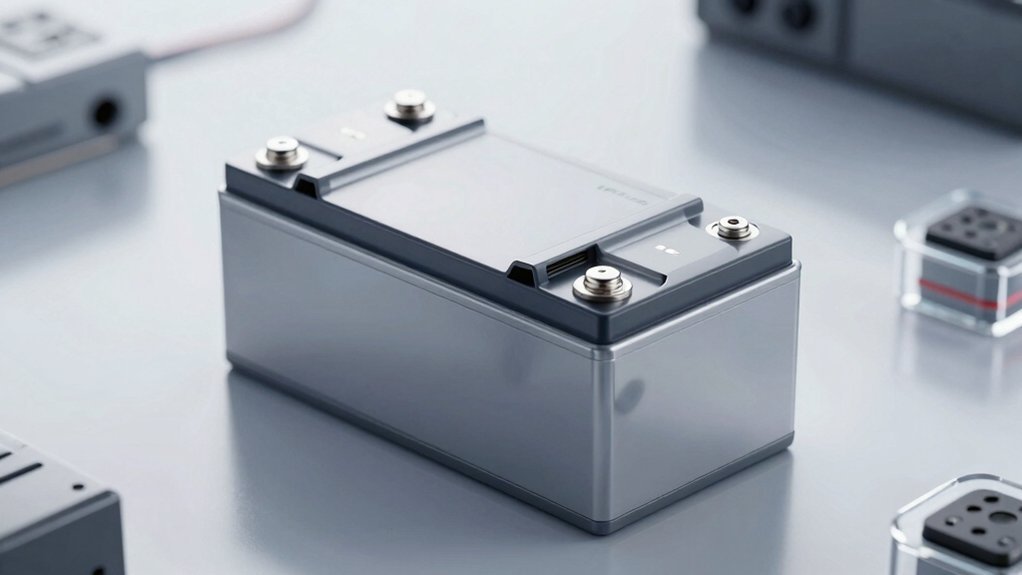
LiFePO4 batteries operate through the movement of lithium ions between the cathode and anode during charge and discharge cycles, which enables efficient energy storage and retrieval. This mechanism contributes to enhanced battery longevity by reducing degradation over repeated cycles, ensuring a longer operational lifespan. Additionally, the stable electrochemical structure of LiFePO4 improves charging efficiency, allowing quicker and more consistent energy transfer without excessive heat generation. The thermal stability of these batteries minimizes risks of thermal runaway, making them inherently safer. Their inherent resistance to overcharging and deep discharges further preserves overall health and performance. Consequently, the combination of efficient charge cycles, durability, and inherent safety features makes LiFePO4 batteries a reliable choice for long-term applications.
What Are the Common Safety Features of Lifepo4 Batteries?
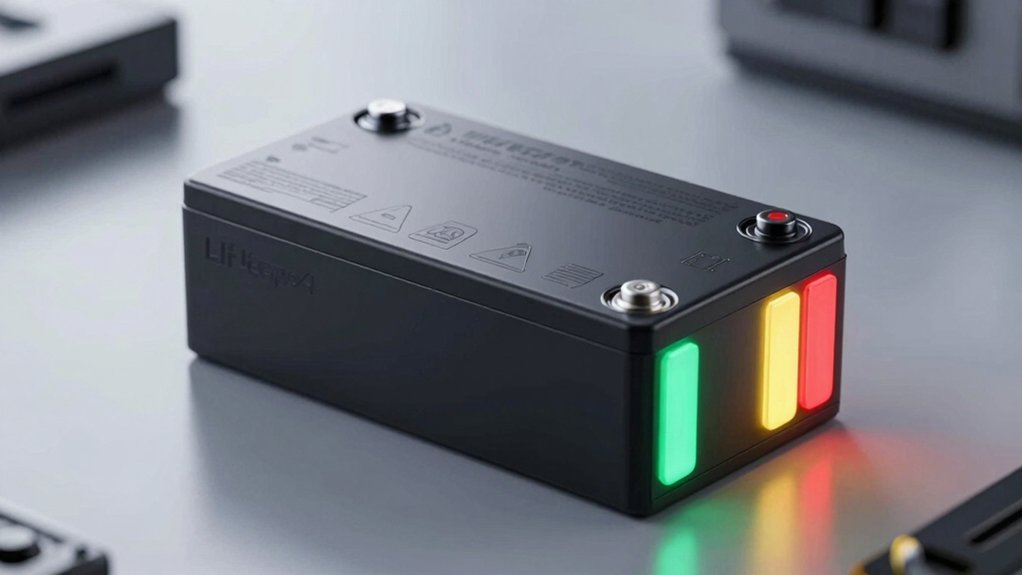
Lifepo4 batteries incorporate essential safety features like built-in overheat protection and robust thermal management systems to prevent thermal runaway. These mechanisms actively monitor and regulate temperature, ensuring safe operation under various conditions. Understanding these features is vital for evaluating their reliability and safety in practical applications.
Built-In Overheat Protection
How do we guarantee these batteries operate safely under various conditions? Built-in overheat protection is a key safety feature that assures thermal stability by automatically shutting down or reducing power when temperatures exceed safe limits. This prevents thermal runaway, which could otherwise cause fires or damage. These protections are integral to maintaining the battery’s longevity, facilitating safer battery recycling, and minimizing environmental impact. By preventing overheating, Lifepo4 batteries reduce the risk of hazardous failure modes, supporting responsible disposal and recycling practices. This feature underscores the importance of advanced safety mechanisms in mitigating risks during operation and end-of-life management, reinforcing the overall safety profile of Lifepo4 technology in diverse applications.
Robust Thermal Management
Building on the importance of overheat protection, robust thermal management systems are essential for ensuring Lifepo4 batteries operate safely and efficiently across various conditions. These systems regulate temperature, preventing thermal runaway and degradation, which supports battery longevity and safety. Effective thermal management also facilitates safer battery recycling, reducing environmental impact. Below is a table illustrating key safety features:
| Feature | Purpose |
|---|---|
| Active cooling systems | Maintain ideal temperature ranges |
| Passive cooling techniques | Minimize heat buildup and energy consumption |
| Temperature sensors | Detect abnormal temperature fluctuations |
| Thermal insulation | Protect cells from external temperature extremes |
| Integrated safety controls | Shut down or isolate faulty modules |
Are Lifepo4 Batteries Less Prone to Overheating and Fires?

Lifepo4 batteries exhibit enhanced thermal stability due to their chemistry, reducing the likelihood of temperature runaway. This stability translates into lower fire risks compared to other lithium-ion chemistries. By analyzing thermal behavior, we see that Lifepo4’s design inherently minimizes overheating incidents.
Enhanced Thermal Stability
Is thermal stability a key factor in determining the safety of lithium iron phosphate (LiFePO4) batteries? Absolutely. Their inherent chemical structure confers enhanced thermal stability, reducing the risk of overheating and thermal runaway. This stability minimizes fire hazards, which is essential for safety and sustainability. Additionally, improved thermal stability benefits battery recycling processes, lowering environmental impact by limiting thermal degradation and hazardous emissions. To illustrate, consider the following:
| Attribute | Conventional Lithium-ion | LiFePO4 Batteries | Impact on Safety |
|---|---|---|---|
| Thermal Stability | Moderate | High | Reduced risk of fires |
| Overheating Propensity | Higher | Lower | Safer operation |
| Environmental Impact | Higher emissions | Lower emissions | Eco-friendlier |
This analysis underscores LiFePO4’s safety and environmental advantages.
Reduced Fire Risks
The inherent chemical properties of LiFePO4 batteries substantially reduce their propensity for overheating and thermal runaway compared to traditional lithium-ion chemistries. This stability minimizes fire risks, especially under fault conditions. Their robust chemical structure ensures a longer battery lifespan and enhanced safety during operation, even under high load or rapid charging scenarios. Because of their stable chemistry, LiFePO4 batteries exhibit superior charging efficiency, which helps prevent excessive heat buildup that could lead to thermal runaway. This combination of stability and efficiency makes them less prone to overheating and fires. Consequently, LiFePO4 batteries provide a safer alternative in applications demanding high safety margins, reducing the risk of catastrophic failure related to thermal events.
How Do Lifepo4 Batteries Perform Under Stress or Damage?
When subjected to stress or damage, Lifepo4 batteries demonstrate notable safety characteristics due to their stable chemistry, which resists thermal runaway and combustion. Unlike other lithium-ion chemistries, damage often results in limited thermal escalation, reducing risk of fire or explosion. This inherent stability also impacts battery recycling; damaged Lifepo4 cells are easier and safer to process, minimizing environmental impact. Their chemical composition produces fewer hazardous byproducts during disposal, aligning with sustainable practices. Under stress, they tend to retain structural integrity, further lowering safety concerns. Overall, Lifepo4 batteries perform reliably under adverse conditions, offering both safety and environmental advantages, which makes them a responsible choice for applications where durability and ecological considerations are priorities.
What Are the Risks of Using Lifepo4 Batteries Incorrectly?
Despite their inherent safety advantages, Lifepo4 batteries can pose risks if not used properly. Incorrect handling or installation may lead to thermal runaway, damaging the battery and potentially causing fires. Improper disposal or failure to follow battery recycling protocols can exacerbate environmental impact, as lithium and other materials may contaminate ecosystems if not managed correctly. Additionally, overcharging or deep discharging can degrade battery performance and lifespan, increasing the likelihood of hazardous failures. Inadequate ventilation during operation might lead to the accumulation of gases, posing safety hazards. Consequently, understanding proper usage, maintenance, and recycling practices is essential to minimize these risks, protect user safety, and reduce environmental harm associated with improper Lifepo4 battery management.
How Do Lifepo4 Batteries Compare to Other Lithium-Ion Batteries in Safety?
Lifepo4 batteries generally offer enhanced safety features compared to other lithium-ion chemistries, primarily due to their stable chemical composition and robust thermal characteristics. They are less prone to thermal runaway, reducing fire and explosion risks. Additionally, Lifepo4 batteries facilitate safer battery recycling processes, minimizing environmental impact. Compared to NMC or LCO batteries, Lifepo4’s stable chemistry results in lower degradation and fewer safety incidents over their lifespan.
- Reduced risk of thermal runaway and fire
- Safer battery recycling, lowering environmental impact
- Longer cycle life reduces waste and disposal concerns
These safety advantages make Lifepo4 batteries an appealing choice for eco-conscious applications. Their inherent stability not only enhances user safety but also supports sustainable practices by simplifying battery recycling and decreasing overall environmental footprint.
What Maintenance and Handling Practices Ensure Lifepo4 Safety?
Proper maintenance and handling are critical to ensuring the safety and longevity of Lifepo4 batteries. Regular inspections help identify potential issues such as cell imbalance or degradation, which could compromise safety. Proper charging protocols, including using compatible chargers and avoiding overcharging, prevent thermal stress and extend battery life. Safe handling practices, like avoiding physical shocks and extreme temperatures, reduce the risk of damage. Additionally, responsible battery recycling is essential to minimize environmental impact, preventing hazardous waste and recovering valuable materials. Maintaining a systematic approach to disposal supports sustainability efforts and reduces ecological risks. By adhering to these practices, we not only enhance safety but also promote environmentally responsible use, ensuring Lifepo4 batteries remain a safe and sustainable energy storage solution.
Can Lifepo4 Batteries Explode or Leak? Understanding the Risks
While Lifepo4 batteries are generally regarded as safe and stable, understanding their potential risks remains important. Although explosion or leakage is rare, improper handling or manufacturing defects can cause thermal runaway, leading to rupture or fire.
Lifepo4 batteries are safe, but improper handling can cause thermal runaway, risking fire or rupture.
- Thermal runaway can occur if internal faults generate excessive heat, risking explosion.
- Leaks are primarily chemical, involving electrolyte exposure, which can be hazardous.
- Environmental impact arises from improper disposal, as lithium and other materials can contaminate ecosystems.
Recycling challenges also complicate safe disposal, given the complexity of extracting valuable materials and preventing environmental contamination. Recognizing these risks helps guarantee proper safety protocols are followed, minimizing hazards associated with Lifepo4 batteries. Proper design, manufacturing, and disposal practices are essential to mitigate explosion or leakage risks while addressing environmental considerations.
Is the Overall Safety of Lifepo4 Batteries Worth the Investment?
Evaluating whether the overall safety of Lifepo4 batteries justifies their investment requires a careful analysis of their performance, risks, and long-term benefits. Lifepo4 batteries demonstrate superior thermal stability and a lower risk of thermal runaway, making them safer than many alternatives. This safety advantage reduces potential costs associated with accidents and enhances reliability. Additionally, their design facilitates more sustainable practices like battery recycling, which mitigates environmental impact and conserves resources. While initial costs may be higher, their durability and safety profile can lead to lower lifecycle costs. Overall, the combination of inherent safety, reduced environmental footprint, and recyclability makes Lifepo4 batteries a worthwhile investment, especially in applications where safety and sustainability are priorities.
Frequently Asked Questions
Are Lifepo4 Batteries Environmentally Friendly and Recyclable?
We believe LiFePO4 batteries are environmentally friendly, as they support eco-friendly disposal and recycling processes. Their stable chemistry minimizes harmful emissions, making them a sustainable choice that reduces environmental impact compared to other battery chemistries.
How Do Lifepo4 Batteries Perform in Extreme Weather Conditions?
Like resilient sailors steering storms, Lifepo4 batteries excel in extreme weather, demonstrating impressive temperature resilience and cold weather performance, maintaining stability and safety through thermal fluctuations, making them reliable even in harsh conditions.
Can Lifepo4 Batteries Be Safely Stored Long-Term?
We believe LiFePO4 batteries can be stored safely long-term if kept at ideal conditions, ensuring proper temperature and voltage levels to maximize battery lifespan and maintain storage safety, reducing risks of degradation or safety hazards.
What Are the Warning Signs of a Failing Lifepo4 Battery?
We notice warning signs like battery overheating and cell swelling, signaling a failing Lifepo4 battery. These indicators suggest internal damage, risking thermal runaway or fire; prompt inspection and safe disposal are essential to prevent hazards.
Are Lifepo4 Batteries Compatible With All Charging Systems?
Lifepo4 batteries generally require compatible charging systems to guarantee proper battery integration; not all chargers support their charging compatibility. We recommend using chargers specifically designed for Lifepo4 chemistry to optimize performance and safety.
Conclusion
In summary, LiFePO4 batteries stand out as one of the safest energy storage options available today. Their stable chemistry, built-in safety features, and resilience under stress considerably reduce risks like fires or explosions—making them an unbeatable choice. While no technology is entirely risk-free, the safety profile of LiFePO4 batteries is so robust, it’s as if they’re armored against disaster. When properly maintained, they offer reliable, secure power with minimal danger—truly a game-changer in energy storage.