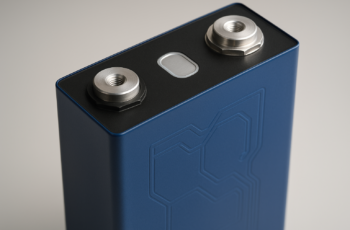
Ensuring effective overheating protection for LiFePO4 batteries is critical for maintaining safety and optimizing performance. As we examine the underlying causes of heat buildup, it becomes clear that a combination of advanced thermal management strategies and precise monitoring systems is essential. Addressing these factors requires a detailed understanding of how to detect, prevent, and respond to overheating. Exploring these elements further reveals the complexities involved in safeguarding battery systems under demanding conditions.
Key Takeaways
- Implement effective thermal management systems like cooling plates, heat sinks, and airflow regulation to dissipate heat efficiently.
- Use accurate temperature sensors and integrate them with Battery Management Systems (BMS) for real-time overheating detection.
- Avoid high discharge rates and excessive current draw that increase internal resistance and heat buildup.
- Regularly inspect and maintain cooling components, wiring, and cell integrity to prevent localized overheating.
- Adopt advanced materials and smart monitoring technologies to optimize heat removal and early identify temperature anomalies.
What Causes LiFePO4 Batteries to Overheat?
LiFePO4 batteries can overheat primarily due to excessive current draw, which causes internal resistance to rise and generates heat. The battery chemistry of LiFePO4 inherently produces stable thermal behavior under normal conditions, but high current demands can push this stability. Manufacturing defects, such as poor electrode assembly or inadequate cooling design, further exacerbate heat buildup by creating localized resistance points. These defects impair heat dissipation and can lead to uneven temperature distribution within the cell. When combined with high discharge rates, the increased internal resistance accelerates heat generation, risking thermal runaway. Consequently, understanding the interplay between battery chemistry and manufacturing quality is essential in identifying the root causes of overheating and implementing effective protective measures.
How Overheating Affects Battery Performance and Safety
Overheating in LiFePO4 batteries directly impacts both their performance and safety, often leading to diminished capacity, reduced lifespan, and potential safety hazards. Elevated temperatures accelerate chemical degradation within the cells, impairing battery longevity by breaking down active materials and electrolytes. This process results in decreased energy density, limiting the battery’s ability to store and deliver power efficiently. Overheating also increases the risk of thermal runaway, posing serious safety concerns such as fires or explosions. Consistent exposure to high temperatures accelerates wear and causes permanent capacity loss, undermining the reliability of the battery system. Consequently, managing thermal conditions is essential to maintaining ideal performance, extending lifespan, and ensuring safe operation of LiFePO4 batteries.
Key Indicators That Your LiFePO4 Battery Is Overheating
Unusual temperature fluctuations and physical deformations are critical signs that your LiFePO4 battery may be overheating. These indicators often precede more severe failures, compromising safety and performance. Recognizing these early warning signs enables proactive intervention to prevent damage.
Unusual Temperature Fluctuations
When a battery’s temperature deviates unexpectedly, it often signals underlying thermal issues that require immediate attention. Unusual temperature fluctuations can indicate compromised thermal insulation, allowing heat to build unevenly within the cell. This inconsistency stresses the battery’s internal components, threatening overall battery durability. Such fluctuations may appear as sudden spikes or drops in temperature during operation, revealing unstable thermal management. These irregularities impair the battery’s ability to maintain ideal operating conditions, increasing the risk of overheating and reducing lifespan. Monitoring these fluctuations helps identify early thermal instability, enabling preventative measures. Effective thermal insulation minimizes external thermal influences and guarantees stable temperature regulation, preserving battery integrity and extending service life. Recognizing these signs is essential for proactive overheating protection.
Swelling or Deformation
Swelling or deformation of a LiFePO4 battery is a clear physical sign that internal thermal stress has exceeded safe limits. This occurs due to factors like excessive charge/discharge rates or internal short circuits, leading to swelling causes such as gas buildup from electrolyte decomposition. Deformation effects compromise structural integrity, risking cell rupture or thermal runaway. The following table highlights key aspects:
| Aspect | Details |
|---|---|
| Swelling causes | Overcharging, internal faults, high ambient temperatures |
| Deformation effects | Structural damage, increased risk of leakage or explosion, reduced lifespan |
Recognizing these indicators prompts immediate action, preventing further damage and ensuring safety in your battery management system.
Essential Overheating Protection Methods for LiFePO4 Batteries
Effective overheating protection is crucial for maintaining the safety and longevity of LiFePO4 batteries, especially under high load or abusive conditions. Implementing thermal management systems, such as cooling plates or heat sinks, helps dissipate excess heat and prevent temperature spikes. High manufacturing quality greatly influences the battery’s inherent thermal stability, reducing internal resistance that can lead to overheating. Consistent quality control ensures materials and assembly meet strict standards, directly impacting battery lifespan. Additionally, integrating sensors to monitor temperature in real-time allows for proactive responses before critical thresholds are reached. These methods collectively enhance safety, preserve capacity, and extend the operational life of LiFePO4 batteries, underscoring the importance of both robust thermal management and manufacturing excellence in effective overheating protection strategies.
Choosing the Right Battery Management System (BMS) for Overheat Prevention
Selecting the appropriate Battery Management System (BMS) is essential for preventing overheating in LiFePO4 batteries, as it serves as the primary safeguard against thermal runaway and damage. A well-chosen BMS ensures effective monitoring and control of cell temperatures, maintaining peak operating conditions. It directly influences battery lifespan by preventing thermal stress and degradation caused by overheating. When evaluating BMS options, manufacturing standards are critical; high-quality units adhere to rigorous safety and reliability benchmarks, ensuring consistent performance under demanding conditions. A suitable BMS should offer precise temperature sensing, balanced cell management, and robust protection protocols. Proper selection minimizes risks, enhances overall battery efficiency, and extends operational life, making it an indispensable component in any overheating prevention strategy.
Installing Thermal Sensors to Monitor Battery Temperature
Installing thermal sensors is a essential step in accurately monitoring the temperature within LiFePO4 batteries. Proper placement guarantees sensitive detection of temperature fluctuations, which is critical for preventing overheating. When selecting sensors, we focus on thermal conductivity properties to assure efficient heat transfer and reliable readings. Additionally, sensor calibration is necessary to establish accurate temperature measurements, accounting for environmental variables and sensor drift over time. Precise calibration minimizes false positives and guarantees the sensor’s output aligns with actual battery conditions. Proper installation and calibration techniques allow for real-time temperature monitoring, enabling timely intervention before critical overheating occurs. This process forms the foundation for effective thermal management, safeguarding battery longevity and operational safety.
Improving Ventilation and Cooling for LiFePO4 Battery Packs
To prevent overheating and guarantee ideal performance, enhancing ventilation and cooling systems for LiFePO4 battery packs is essential. Effective airflow management dissipates heat during operation, reducing thermal stress and extending battery lifespan. Incorporating active cooling, like fans or liquid cooling, improves heat exchange efficiency, especially in high-demand applications. Proper ventilation also supports safer battery recycling, minimizing residual heat that can cause thermal runaway during disposal. From an environmental perspective, improved cooling reduces the need for frequent replacements, lowering the environmental impact associated with manufacturing and waste. By optimizing airflow pathways and cooling methods, we can assure batteries operate within safe temperature ranges, promoting longevity and sustainability while mitigating risks linked to overheating.
Best Practices for Safe Charging and Discharging Cycles
Maintaining proper charging voltage limits guarantees the battery operates within safe thermal and chemical boundaries, reducing overheating risks. Avoiding over-discharging cycles preserves cell integrity and prevents voltage drops that could lead to thermal stress. Utilizing high-quality charging equipment guarantees consistent current flow and prevents voltage spikes that may compromise battery safety.
Proper Charging Voltage Limits
Ensuring proper charging voltage limits is critical to maintaining the safety and longevity of LiFePO4 batteries. Exceeding recommended voltage thresholds can accelerate degradation, reduce cycle life, and increase overheating risks, which may lead to safety hazards like thermal runaway. Maintaining ideal voltage levels also facilitates efficient battery recycling at end-of-life, minimizing environmental impact by preventing premature disposal or damage that complicates recycling processes. Precise voltage management ensures batteries operate within their designed parameters, safeguarding internal chemistry and structural integrity. Moreover, adhering to these limits supports sustainable practices by extending battery lifespan and reducing waste. Proper voltage regulation is thus essential not only for operational safety but also for minimizing environmental footprint, aligning with responsible energy storage and resource conservation goals.
Avoid Over-Discharging Cycles
Over-discharging LiFePO4 batteries can cause irreversible damage to their internal chemistry and reduce overall lifespan, making it essential to follow best practices for safe charging and discharging cycles. To preserve battery longevity, we emphasize maintaining discharge levels above the recommended cutoff, typically around 20%. Deep discharges accelerate capacity fade and compromise structural integrity, diminishing power efficiency over time. Implementing battery management systems (BMS) ensures precise control, preventing voltage drops below safe thresholds. Consistent, controlled discharges optimize power efficiency and extend operational life. By avoiding over-discharge scenarios, we safeguard the battery’s chemistry and enhance its long-term performance. This disciplined approach ultimately maximizes the lifespan and efficiency of LiFePO4 batteries, reinforcing their reliability in demanding applications.
Use Quality Charging Equipment
Using high-quality charging equipment is critical to safeguarding LiFePO4 batteries during both charging and discharging cycles. Proper chargers adhere to strict manufacturing standards, guaranteeing precise voltage and current regulation. This control minimizes risks of overvoltage or overcurrent, which can accelerate battery degradation and reduce overall battery lifespan. Investing in certified chargers also ensures compatibility with the battery’s chemistry, preventing thermal stress that could lead to overheating. Reliable charging equipment incorporates protective features like temperature monitoring and automatic shutoff, further reducing overheating potential. By using equipment that meets industry standards, we can optimize battery performance, extend service life, and maintain safe operation. Ultimately, quality chargers are essential for preserving the longevity and safety of LiFePO4 batteries.
Troubleshooting Overheating Issues in Existing LiFePO4 Systems
When a LiFePO4 battery system begins to overheat, it’s essential to systematically identify the root causes to prevent potential damage or safety hazards. Overheating often stems from issues related to battery chemistry, such as improper charging or discharging rates that stress the cells. We also consider the possibility of thermal runaway, which occurs when localized heating triggers uncontrollable temperature increases, risking cell failure. Troubleshooting involves inspecting the battery’s thermal management system, connections, and cell integrity. We check for signs of uneven temperature distribution, damaged wiring, or compromised cooling mechanisms. Understanding how battery chemistry responds under different operating conditions helps us pinpoint overheating origins. By analyzing these factors, we can implement targeted solutions to mitigate risks and enhance system safety.
Future Technologies and Innovations in Battery Overheat Protection
Emerging advancements in thermal management systems promise more precise control of heat dissipation, reducing overheating risks in LiFePO4 batteries. Simultaneously, smart monitoring technologies equipped with real-time data analysis enable early detection and automated response to temperature anomalies. Together, these innovations are set to substantially enhance the safety, reliability, and efficiency of future battery systems.
Advanced Thermal Management Systems
Advancements in thermal management systems are pivotal for enhancing the safety and reliability of LiFePO4 batteries, especially as their applications become more demanding. Innovative approaches focus on optimizing battery chemistry to improve thermal conductivity, which directly influences heat dissipation efficiency. By integrating materials with superior thermal conductivity, such as advanced composites or phase change materials, we can effectively regulate internal temperatures and prevent localized overheating. These systems incorporate both passive and active components, ensuring consistent heat removal during high load or rapid charging scenarios. Developing materials tailored to battery chemistry not only enhances thermal management but also prolongs cycle life and maintains performance. As these technologies evolve, they promise safer, more resilient batteries capable of meeting the rigorous demands of future energy storage applications.
Smart Monitoring Technologies
How can smart monitoring technologies revolutionize overheat protection in LiFePO4 batteries? By integrating real-time data analytics, these systems enable precise temperature and current monitoring, proactively preventing thermal runaway. This enhances battery lifespan by reducing thermal stress and degradation over time. Smart sensors can detect minute variations in temperature, current, and voltage, allowing for early intervention before critical overheating occurs. Consequently, energy density remains optimized, as batteries operate within safe thermal limits without sacrificing capacity. Additionally, adaptive algorithms can adjust charge and discharge cycles dynamically, balancing performance and safety. Ultimately, these innovations foster more reliable, durable, and efficient LiFePO4 batteries, pushing forward the boundaries of safe energy storage and considerably reducing risks associated with overheating.
Frequently Asked Questions
How Long Does It Take for a Lifepo4 Battery to Overheat?
Typically, a LiFePO4 battery takes hours to overheat under sustained high load and poor thermal management, risking battery degradation. Proper thermal management minimizes overheating chances, maintaining performance and longevity by controlling heat buildup during operation.
Can External Environmental Factors Cause Lifepo4 Overheating?
External environmental factors, such as inadequate insulation and extreme temperatures, can cause LiFePO4 overheating. Proper temperature monitoring and environmental insulation are vital to prevent thermal runaway, ensuring safe battery operation under varying conditions.
Are There Specific Signs Before a Lifepo4 Battery Begins to Overheat?
Like a modern-day oracle, we see that signs such as swelling, unusual heat, or voltage drops indicate Lifepo4 battery overheating risks. Battery chemistry and thermal management issues often precede actual overheating, enabling early detection and preventive action.
What Is the Maximum Safe Operating Temperature for Lifepo4 Batteries?
We understand that LiFePO4 battery chemistry generally operates safely below 60°C; thermal management systems must maintain this temperature, as exceeding it risks thermal runaway, battery degradation, and safety hazards, emphasizing precise temperature control in design and operation.
How Does Overcurrent Affect Lifepo4 Battery Overheating Risk?
They say “prevention is better than cure,” and overcurrent dynamics considerably raise overheating risks, potentially causing thermal runaway. Excessive current overloads the battery, destabilizing internal chemistry and increasing the chance of dangerous heat buildup.
Conclusion
In steering through the thermal labyrinth of LiFePO4 batteries, proactive protection acts as our compass, guiding us safely through potential hazards. By integrating advanced thermal management, vigilant monitoring, and smart system design, we transform vulnerability into resilience. These innovations serve as our shield against the fiery specter of overheating, ensuring longevity and safety. Ultimately, meticulous control over heat is not just a safeguard—it’s the cornerstone of reliable, high-performance energy storage, anchoring our progress in stability and trust.