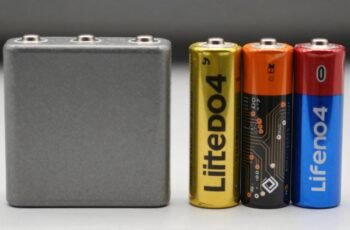
When weighing the options between Lifepo4 and Li-ion batteries, the choice is often a matter of balancing safety, longevity, and cost—yet the implications of each are more complex than they initially appear. We must consider how these technologies differ in performance, environmental impact, and application suitability. As we explore these facets, you’ll see that selecting the best battery involves more than just initial price or capacity; it requires a nuanced understanding of their pros and cons.
Key Takeaways
- Lifepo4 offers superior thermal stability and safety, reducing risks of thermal runaway compared to Li-ion batteries.
- Li-ion batteries have higher energy density, making them better for portable, space-constrained applications.
- Lifepo4 has a longer cycle life (2000-3000 cycles) and better durability in extreme temperatures.
- Li-ion batteries typically have lower upfront costs but shorter lifespan and higher environmental concerns.
- Lifepo4’s more stable supply chain and easier recycling provide long-term environmental and economic advantages.
What Are Lifepo4 and Li-Ion Batteries and How Do They Work?
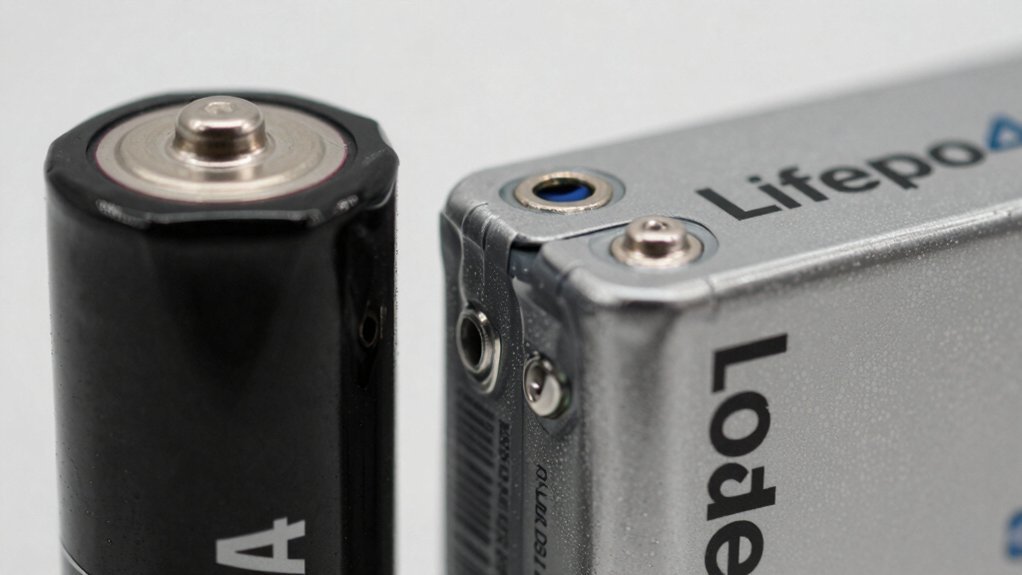
LiFePO4 (lithium iron phosphate) and Li-ion (lithium-ion) batteries are both rechargeable energy storage devices that operate on the principle of lithium-ion movement between electrodes, but they differ markedly in chemistry and performance characteristics. LiFePO4 batteries utilize a phosphate-based cathode, offering enhanced thermal stability and longer cycle life. Both types involve lithium-ion transfer during charge and discharge processes, but their environmental impact varies; LiFePO4 batteries are generally more environmentally friendly due to less toxic materials and easier battery recycling. Conversely, Li-ion batteries often contain cobalt and other hazardous substances, complicating recycling efforts and increasing environmental concerns. Understanding these chemistry differences helps evaluate their sustainability and the implications for battery recycling strategies.
Comparing Safety Features of Lifepo4 and Li-Ion Batteries
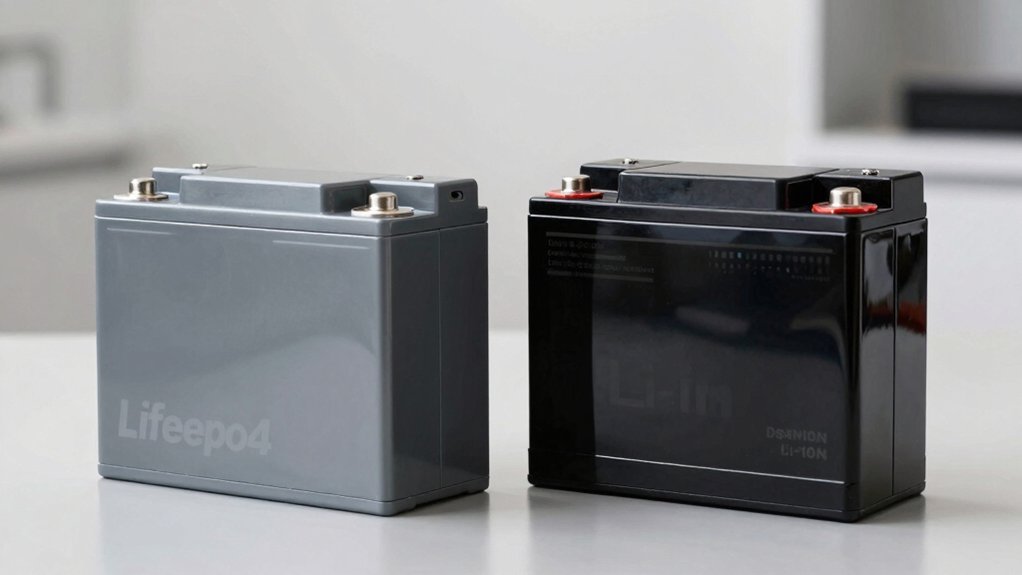
Safety is a key consideration when evaluating different types of rechargeable batteries, especially given their widespread use in critical applications. LiFePO4 batteries offer enhanced thermal stability, considerably reducing the risk of thermal runaway and fires compared to traditional Li-ion batteries. This inherent safety advantage minimizes hazards during operation and charging. Additionally, Lifepo4 batteries are safer for battery recycling, as they contain fewer toxic materials, which lessens environmental impact. In contrast, Li-ion batteries often contain hazardous chemicals that pose environmental and health risks if improperly disposed of. While Li-ion batteries may have higher energy densities, their safety concerns and environmental considerations make Lifepo4 batteries a more stable and environmentally friendly choice, especially in applications where safety and sustainability are paramount.
How Do Lifepo4 and Li-Ion Batteries Differ in Longevity and Durability?
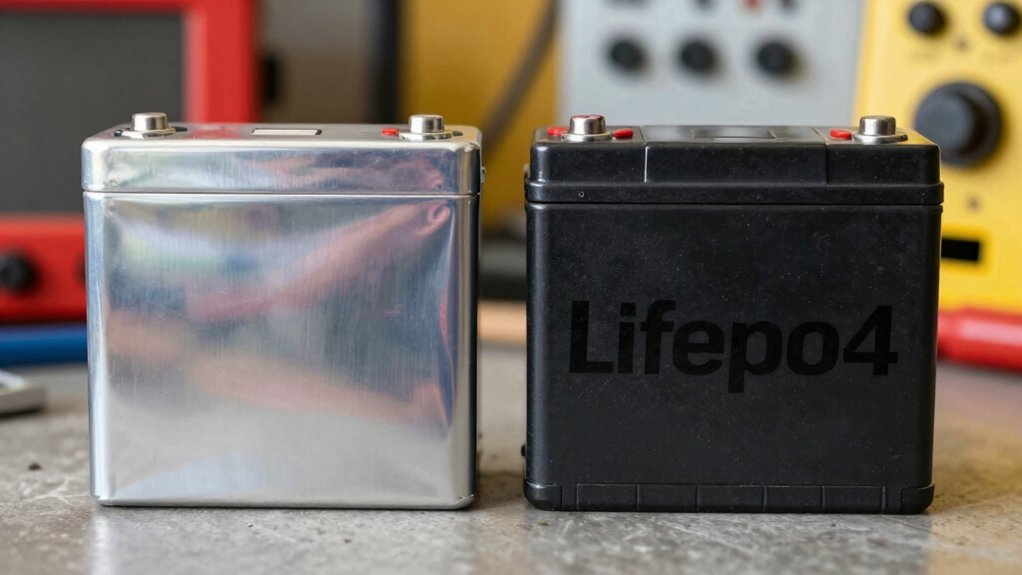
We compare Lifepo4 and Li-Ion batteries based on cycle life, resistance to degradation, and temperature tolerance levels to understand their longevity and durability. Lifepo4 batteries typically offer more charge cycles and better resistance to performance decline over time, especially in extreme conditions. Analyzing these factors helps determine which battery type is more suited for long-term, demanding applications.
Cycle Life Comparison
While both Lifepo4 and Li-ion batteries are popular energy storage options, their cycle life—the number of charge-discharge cycles before capacity drops—differs considerably. Lifepo4 batteries typically sustain around 2,000 to 3,000 cycles, whereas Li-ion batteries generally last 500 to 1,500 cycles. This extended cycle life enhances durability and reduces the frequency of battery replacement, impacting the overall environmental footprint. Additionally, Lifepo4’s longer lifespan simplifies battery recycling, minimizing waste and environmental impact. From a technical perspective, the chemical stability of Lifepo4 contributes to its resilience over repeated cycles, whereas Li-ion chemistries are more susceptible to capacity fade. These factors are vital when evaluating long-term performance, sustainability, and the lifecycle costs of energy storage solutions.
Resistance to Degradation
The resistance of Lifepo4 and Li-ion batteries to degradation directly influences their longevity and overall durability during repeated usage. Lifepo4 batteries generally exhibit lower capacity fade over time due to their stable chemistry, which resists electrode degradation. In contrast, Li-ion batteries tend to degrade faster, especially under high charge cycles, impacting their lifespan. This difference affects battery recycling efforts; Lifepo4’s extended durability reduces frequency of replacement, lessening environmental impact. Additionally, their resistance to degradation means fewer hazardous materials are released during recycling, supporting sustainable disposal. Conversely, Li-ion batteries’ faster degradation increases waste and environmental burden. Consequently, Lifepo4’s superior resistance to degradation offers advantages in long-term durability, environmental impact, and efficient recycling processes, making them a more sustainable choice over time.
Temperature Tolerance Levels
Temperature tolerance markedly influences the longevity and durability of Lifepo4 and Li-ion batteries, as each chemistry responds differently to thermal stress. Lifepo4 batteries exhibit a broader operational temperature range, typically between -20°C and 60°C, maintaining stable performance and reducing degradation rates. In contrast, Li-ion batteries are more sensitive, with ideal temperatures around 0°C to 45°C, and excessive heat accelerates capacity fade and safety risks. This difference impacts their lifecycle and environmental impact, as Lifepo4’s resilience extends battery lifespan, simplifying battery recycling efforts. Additionally, improved temperature tolerance minimizes thermal runaway incidents, reducing environmental hazards. Overall, Lifepo4’s superior thermal stability enhances durability and supports more sustainable, eco-conscious battery recycling strategies, whereas Li-ion’s sensitivity necessitates careful thermal management.
Which Battery Type Offers Better Performance for Different Applications?
When comparing Lifepo4 and Li-Ion batteries, we focus on energy density, longevity, and cost to determine their suitability for specific applications. Lifepo4 batteries offer enhanced durability and safety, often at a lower cost, while Li-Ion batteries provide higher energy density for portable devices. Analyzing these factors helps identify which battery type optimizes performance across different use cases.
Energy Density Comparison
While Lifepo4 and Li-ion batteries both serve as essential energy storage solutions, their energy densities differ markedly, impacting their suitability for various applications. Li-ion batteries typically offer higher energy densities, ranging from 150 to 250 Wh/kg, making them ideal for portable electronics and electric vehicles where space and weight are critical. In contrast, Lifepo4 batteries generally provide lower energy densities, around 90 to 160 Wh/kg, but excel in thermal stability and safety. This difference influences their environmental impact; higher energy density batteries often pose greater challenges in battery recycling, potentially increasing environmental concerns. Consequently, applications demanding compact, lightweight solutions favor Li-ion, while Lifepo4’s safety and longevity make it more sustainable in large-scale stationary storage.
Longevity and Durability
Although Lifepo4 and Li-ion batteries both have finite lifespans, Lifepo4 batteries typically demonstrate superior longevity and durability, especially in demanding applications. Their extended cycle life, often exceeding 2,000 charge cycles, stems from stable chemistry that resists capacity fade. In contrast, Li-ion batteries generally endure fewer cycles before performance declines. Lifepo4’s robust structure also enhances safety and resistance to thermal stress, reducing degradation over time. Additionally, manufacturing processes for Lifepo4 batteries tend to produce more consistent, durable cells, facilitating easier battery recycling and reuse. This resilience minimizes the need for frequent replacements, making them ideal for high-demand, long-term applications. Overall, Lifepo4’s durability and longevity provide significant advantages, particularly in scenarios requiring prolonged operational life and sustainable lifecycle management.
Cost and Availability
Cost and availability considerably influence the suitability of Lifepo4 and Li-ion batteries across different applications. Market trends show that Li-ion batteries generally benefit from extensive manufacturing infrastructure, leading to lower costs and widespread availability due to a mature supply chain. Conversely, Lifepo4 batteries, while initially more expensive, are increasingly accessible as demand grows and production scales up. The supply chain for Li-ion batteries remains highly optimized, but concerns about raw material scarcity and geopolitical factors can impact future availability. Lifepo4’s more stable supply chain, driven by its lower reliance on cobalt and nickel, offers potential long-term cost advantages. Ultimately, selecting between these batteries depends on balancing initial costs, raw material security, and the evolving market landscape.
What Are the Cost Implications of Choosing Lifepo4 vs Li-Ion Batteries?
Choosing between Lifepo4 and Li-Ion batteries involves analyzing their initial costs, lifecycle expenses, and long-term financial implications. Market pricing for Lifepo4 batteries tends to be higher upfront due to material and manufacturing costs, but their extended cycle life can offset initial investments over time. Li-Ion batteries generally offer lower initial costs, driven by mature manufacturing processes and a well-established supply chain. However, their shorter lifespan and potential degradation increase replacement and maintenance expenses. Supply chain stability plays a vital role; disruptions can inflate costs for both types. While Lifepo4 batteries may require a higher initial investment, their durability often results in lower lifecycle costs, making them potentially more cost-effective long-term. Conversely, Li-Ion batteries may appeal for short-term applications with immediate budget constraints.
How Do Charging and Maintenance Requirements Differ Between the Two?
When comparing Lifepo4 and Li-Ion batteries, their charging protocols and maintenance routines reveal notable differences that impact operational efficiency. Lifepo4 batteries require a specific charging protocol, typically involving a constant current-constant voltage (CC-CV) approach optimized for their chemistry, which minimizes stress and prolongs lifespan. They are generally more tolerant of deep discharges, reducing the need for complex maintenance routines. Conversely, Li-Ion batteries demand precise voltage and current management to prevent capacity fade and thermal issues, necessitating advanced battery management systems (BMS). Maintenance routines for Lifepo4 are minimal due to their stable chemistry, whereas Li-Ion batteries may require regular monitoring of voltage, temperature, and overall health to guarantee safety and performance. These differences influence both operational protocols and long-term upkeep.
Which Battery Is Right for Your Needs? Factors to Consider
Selecting the appropriate battery type depends on evaluating your specific application requirements, environmental conditions, and long-term usage expectations. When choosing between Lifepo4 and Li-ion, consider factors like energy density, safety, and lifespan. Battery manufacturing standards influence quality and consistency, impacting performance and reliability. Recycling processes also play a vital role, especially for environmental sustainability; Lifepo4 batteries generally have more straightforward recycling due to fewer toxic materials. For high-drain applications, Li-ion may offer advantages, but Lifepo4’s stability and longer cycle life could be better for stationary or grid storage. Ultimately, weighing these factors helps determine the best fit for your needs, balancing performance, environmental impact, and lifecycle costs.
Frequently Asked Questions
How Do Environmental Impacts Differ Between Lifepo4 and Li-Ion Batteries?
We find that Lifepo4 batteries have a lower environmental footprint due to reduced toxicity and energy-efficient production, while Li-ion batteries face recycling challenges from hazardous materials, making Lifepo4 more sustainable overall for environmentally conscious applications.
Can Lifepo4 Batteries Be Recycled More Easily Than Li-Ion?
Lifepo4 batteries are like open books, making recycling easier due to simpler chemistry and fewer hazardous materials. They offer longer battery lifespan and better cost efficiency, which supports sustainable practices and reduces environmental impact more effectively than Li-ion.
Are There Specific Industries That Prefer One Battery Type Over the Other?
We find that industries prioritizing manufacturing costs and safety prefer Lifepo4 batteries, while sectors demanding higher energy density, like consumer electronics, opt for Li-ion batteries, reflecting technical trade-offs influencing industry-specific battery choices.
How Do Temperature Ranges Affect Lifepo4 Versus Li-Ion Performance?
Temperature resilience truly highlights our batteries’ thermal stability; Lifepo4 maintains consistent performance across broader ranges, while Li-ion’s efficiency wanes in extreme conditions, emphasizing the importance of selecting a battery aligned with specific temperature demands for peak reliability.
What Are the Advancements and Future Trends for Both Battery Types?
We see advancements in battery longevity and cost efficiency for both types, with Li-ion focusing on higher energy density and Lifepo4 on safety and lifespan. Future trends include solid-state tech and enhanced thermal management, boosting performance and durability.
Conclusion
Ultimately, choosing between LiFePO4 and Li-ion batteries mirrors selecting the hero for different quests—safety and longevity versus power and cost. As we weigh these factors, we recognize that no single solution fits all. Like the wise old owl or the relentless tortoise, understanding each battery’s strengths guides us toward the best choice for our specific needs, ensuring efficiency, safety, and sustainability in our energy solutions.